Hospitals can’t afford to experience downtime. Cars come and go at all hours, while ambulances roll in fast. Patients and visitors expect a safe, clean place to park, no matter the weather or time of day. As a paving contractor, we can tell you this straight up: sealcoating hospital parking lots isn’t just about looks. It’s about safety, liability, and protecting a surface that’s constantly abused. Ignore it long enough, and small surface issues turn into expensive structural problems.
Hospital asphalt works harder than almost any other type of pavement. That’s why sealcoating needs to be planned, timed, and executed with precision. Let’s talk about why it matters and how the job should actually be handled.
Safety Isn’t Optional in Medical Environments
When people come to a hospital, they’re already dealing with stress. The last thing anyone needs is a slick surface, faded lines, or crumbling pavement underfoot. Sealcoating creates a smoother, more uniform surface that improves traction and visibility.
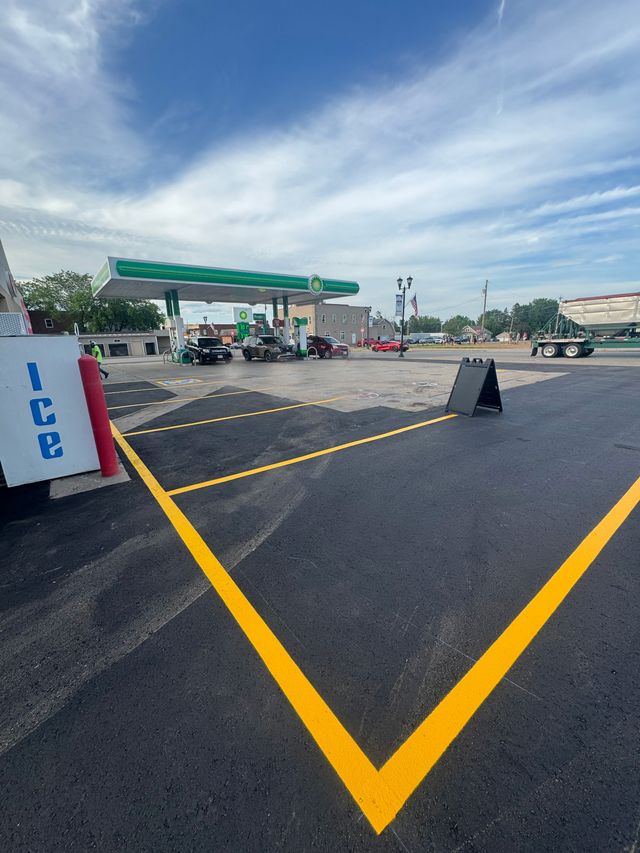
Clear striping after sealcoating also helps control traffic flow, which is critical in emergency settings. From pedestrian crossings to ADA-accessible spaces, everything becomes easier to see and safer to use. In a hospital environment, pavement safety is directly tied to patient well-being.
The Cost of Waiting Too Long
One of the biggest mistakes we see is waiting until the pavement “looks bad enough” to act. By then, sealcoating alone may not be enough. Cracks spread, water gets into the base, and sections start failing.
Sealcoating hospital parking lots regularly extends the life of the asphalt significantly. It’s preventative maintenance, not a cosmetic upgrade. When done right, it delays the need for resurfacing or full replacement, which are far more disruptive and expensive.
When Sealcoating Should Be Scheduled
Hospitals can’t shut down parking for days at a time. That’s why timing matters. Sealcoating is usually best done during warmer months when the asphalt can properly cure. The work is often staged in sections to keep access open.
Night work or weekend scheduling is common for medical facilities. The key is planning around peak hours and emergency routes. A contractor experienced with hospital projects knows how to keep everything running smoothly while the work gets done.
What Goes Into a Proper Hospital Sealcoating Job
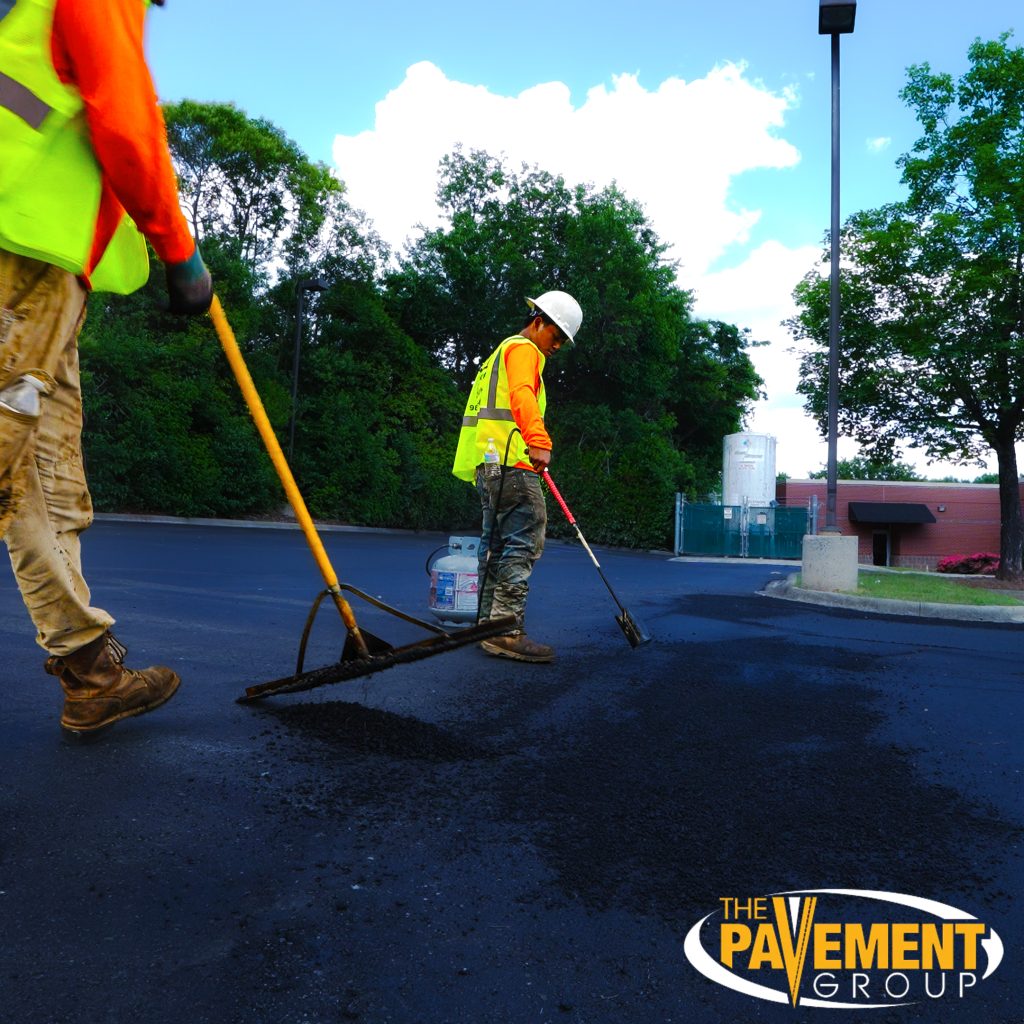
Sealcoating hospital parking lots isn’t a spray-and-go job. It starts with a thorough inspection. Cracks are cleaned and filled. Oil spots are treated. The surface is properly cleaned so the sealcoat bonds correctly.
Once applied, the sealcoat needs time to cure before traffic returns. After that, striping and markings are reapplied with high-visibility paint. Done correctly, the lot looks clean and professional and functions better for everyone using it.
The Pavement Group Services for Medical Facilities
The Pavement Group works with healthcare facilities that need reliable, low-disruption paving solutions. Our hospital-focused services include:
- Sealcoating Hospital Parking Lots – Scheduled, staged applications designed around patient and staff access.
- Crack Sealing & Joint Repair – Preventing water intrusion before it causes structural failure.
- Parking Lot Striping & ADA Compliance – Clear markings that meet safety and accessibility standards.
- Asphalt Repairs & Patching – Fixing problem areas before they spread.
- Long-Term Pavement Maintenance Planning – Helping facilities budget and plan ahead.
We understand that hospitals don’t operate on a 9-to-5 schedule, and our crews work accordingly.
Choosing the Right Contractor Makes the Difference
Hospital sealcoating requires experience, communication, and planning. This isn’t the place for rushed jobs or guesswork. You need a contractor who understands traffic control, safety requirements, and how to work around critical access points.
The Pavement Group approaches hospital projects with that mindset. Every detail is planned, from staging to striping, so the facility can keep operating without disruption.
A Smart Investment That Pays Off
Sealcoating hospital parking lots is one of the smartest maintenance decisions a facility can make. It protects the asphalt, improves safety, and reduces long-term costs. Most importantly, it helps create a safer environment for patients, staff, and visitors.
If your hospital lot is starting to fade, crack, or lose definition, it’s time to act before those issues grow. Proactive maintenance always costs less than reactive repairs.
Get a Hospital-Grade Pavement Plan Today!
If you’re responsible for maintaining a medical facility and want a clear plan for sealcoating hospital parking lots, The Pavement Group is ready to help. Contact us today to schedule an evaluation and build a maintenance plan that works around your operations, not against them.
Frequently Asked Questions
1. How do I know if our hospital parking lot actually needs sealcoating right now?
Look at the surface, not just the color. If the asphalt looks dry, gray, or brittle, it’s usually time. Small cracks, fading lines, and surface roughness are early warning signs. Addressing it early prevents much bigger problems later.
2. How often should hospital parking lots be sealcoated?
Most hospital parking lots benefit from sealcoating every two to three years. The exact timing depends on traffic volume, weather exposure, and surface condition. Waiting too long increases repair costs and safety risks. A regular maintenance schedule keeps the pavement in stable condition.
3. Can sealcoating be done without disrupting hospital operations?
Yes, when the project is planned correctly. Sealcoating can be done in phases so sections remain open. Night and weekend work is commonly used for hospitals. Proper scheduling keeps emergency access routes clear at all times.
4. Does sealcoating improve safety for patients and staff?
Yes, and not just on paper. A freshly sealcoated surface has better traction, especially when it’s wet. New striping makes walkways, crossings, and parking stalls easier to see, reducing confusion. When people feel steady on their feet and know where to go, accidents drop.
5. What happens if a hospital skips sealcoating?
Skipping sealcoating allows water and chemicals to penetrate the asphalt. Over time, this leads to cracking, potholes, and base failure. Repairs become more frequent and more expensive. Eventually, full resurfacing may be required much sooner than expected.
6. Is sealcoating just cosmetic?
No, although appearance does improve. Sealcoating is primarily protective, not decorative. It shields the pavement from environmental and chemical damage. The improved look is a bonus, not the main purpose.
7. How long does sealcoating take to cure?
Typically, sealcoating needs 24 to 48 hours before full traffic returns. Light foot traffic may be allowed sooner. Weather conditions can affect curing time. Clear communication helps avoid premature use.
8. Does sealcoating help with ADA compliance?
Sealcoating itself doesn’t change compliance, but it allows for fresh, visible striping. ADA spaces, access aisles, and walkways become easier to identify. This helps facilities maintain compliance. Clear markings also improve overall traffic flow.
9. Can sealcoating extend the life of asphalt pavement?
Yes, significantly. By protecting the surface, sealcoating slows down deterioration. That means fewer repairs and longer intervals before resurfacing. Over time, this saves money and reduces disruption.
10. What should be done before applying sealcoat?
The main thing is communication. Staff, patients, and vendors need to know which areas will be closed and when. Vehicles should be cleared from scheduled sections to allow crews to work efficiently. When everyone’s on the same page, the job goes faster and smoother.