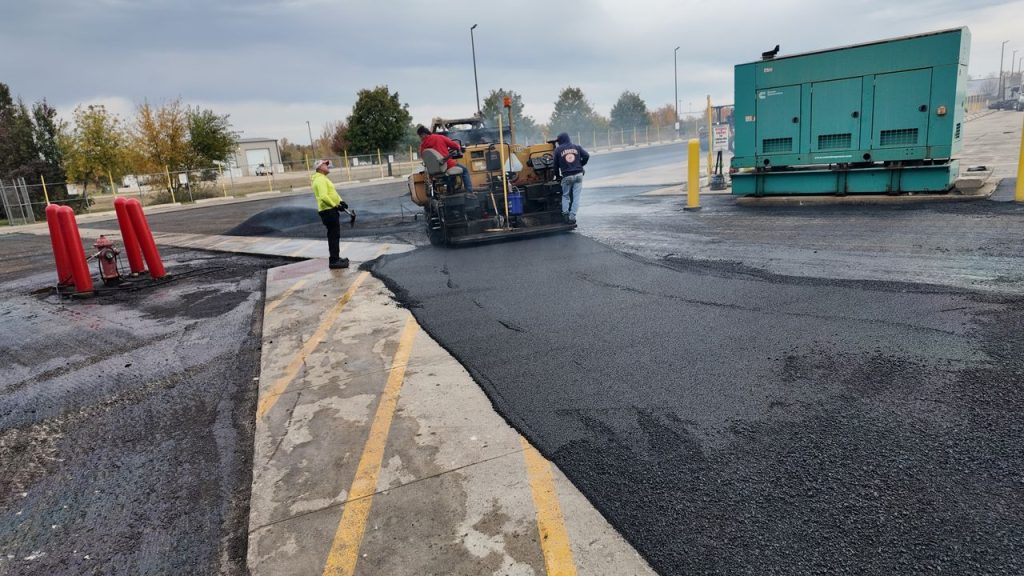
A cracked, closed, or chaotic parking lot does not merely look unsightly. It also shows up in the statistics. Research carried out by the industry on the satisfaction of residents in multifamily properties always lists parking access and the condition of the parking area as among the foremost complaints. They lead residents to choose ‘no’ when it’s time to renew their tenancies. Experts in property management at the National Apartment Association have for a long time identified resident turnover as one of the most costly expenses that a community can manage. Furthermore, the Asphalt Institute states that a quality asphalt parking lot is designed to last 15 to 20 years. Yet heavy vehicle traffic and poor maintenance can cause it to fail prematurely. This means the time for repair is about more than just filling potholes. It is also a chance to keep residents satisfied.
We are the Pavement Group and have completed numerous pavement repairs for apartment complexes and HOAs. We’ve found that the pavement work is the simpler part. How well the team handles disruption while working at the site directly shapes your online reviews and your relationship with residents.
Here’s the way we deal with it—covering a number of points that most parking lot guides completely overlook.
Why Parking Lot Repairs Hit Different at Multifamily Properties
In the case of a single-family driveway, a repair presents only a minor inconvenience to one household. However, for an apartment community, this becomes a logistics challenge. You must coordinate every leased unit, every guest, every delivery driver, and every accessibility need on the property all at once. Certain costs fall outside the original estimate. They appear clearly in your operating figures.
- The risk of renewal lies in the fact that people who feel surprised by the loss of parking are more likely to shop around for other communities when their lease is up.
- Liability is a concern because displaced cones, unmarked ditches, or poorly indicated detours around a multifamily property can lead to trips, falls, and vehicle damage.
- Check the extent of the damage. A disorganized repair job is exactly the kind of situation that leads to a one-star Google review, even after the crew has long since left.
- When it comes to vendor conflicts, people like the trash valet, USPS, moving truck companies, and rideshare drop-off services won’t wait while construction is taking place. If you don’t take them into account, then they’ll take their action against you.
- The risk relating to fair housing and accessibility is that accessible parking and paths must remain usable throughout the project, not just at the beginning.
Not All Repairs Disrupt the Same Way
One way to reduce disruption is to choose the right repair method based on the actual damage, rather than automatically choosing the most extensive and disruptive solution. The following shows how the various options compare:
| Repair Method | Tenant Disruption Level | Typical Closure | Cure Time Before Reopening | Best For |
| Crack Sealing | Low | Spot-only, no full closure | 30–60 minutes | Minor surface cracking, preventive maintenance |
| Pothole Patching | Low | Spot-only | 1–2 hours | Isolated holes, safety hazards |
| Sealcoating | Medium | Full lot, temporary | 24–48 hours, no traffic | Surface protection, refreshed look every 2–3 years |
| Mill & Overlay | Medium–High | Phased by section | ~24 hours per completed section | Moderate deterioration, rutting |
| Full-Depth Reclamation | High | Full lot or large sections, multiple days | 3–7+ days depending on scope | Base failure, extensive cracking, drainage rebuilds |
Exact timelines depend on the lot size, the climate, and the product used. Your contractor should check your property details before work starts.
Our Field-Tested, Low-Disruption Process
This is the section most guides fail to address. It’s easy enough to say “communicate with the residents.” Here’s exactly what that involves on a multifamily project:
- Leave the property phased rather than closing it off. We divide the property into zones. At every stage we keep the main entrance, the exit, and a set percentage of parking spaces open. Residents should never pull back their blinds to see a completely fenced-off property.
- Instead of just following the calendar, work the clock. For properties with high daytime activity, schedule the loudest and most disruptive periods for overnight or early-morning times when fewer residents are moving about.
- Give residents a chance to view the plan instead of only hearing about it. People will ignore a single paper notice taped to a door. We post a QR code that links to an up-to-date parking map. We also send text and email alerts. This way residents see exactly where to park each night rather than guessing.
- We protect those unseen daily routines. We map out spots for valet trash collection, mail and delivery zones, pet relief areas, and school pickup corners before the team arrives. This way a normal week never turns into a scavenger hunt.
- Arrange a lot-sharing agreement well in advance of when you actually need it. We help property managers secure temporary overflow parking at a neighboring business, church, or shopping center lot beforehand, rather than doing so at the last minute when everyone is in a rush.
- Mark the days we place and remove flags as off-limits. By coordinating, we ensure that the repair has to carry. We ensure that the leasing has to carry it. We ensure that no resident has to carry a couch—or a moving truck—across a wet sealcoat.
- Make one accessible route remain open at all times. Throughout every phase of the project and not just the first day, we keep at least one clearly marked accessible parking space and path leading to the leasing office and all building entrances.
Questions to Ask Before You Hire a Contractor
If a contractor can’t answer these clearly before the contract is signed, that’s worth a second look:
- Could you provide a written traffic and closure plan in stages—not just a start and end date?
- When and how will you inform residents before closing their section?
- Can the teams work at night or early in the morning, and how will you comply with local noise regulations?
- Who will you notify about weather-related delays? Will it be the property manager or the residents themselves?
- Shall we have the property manager shown the final striping, signage, and spot numbering before declaring the project complete?
The Bottom Line
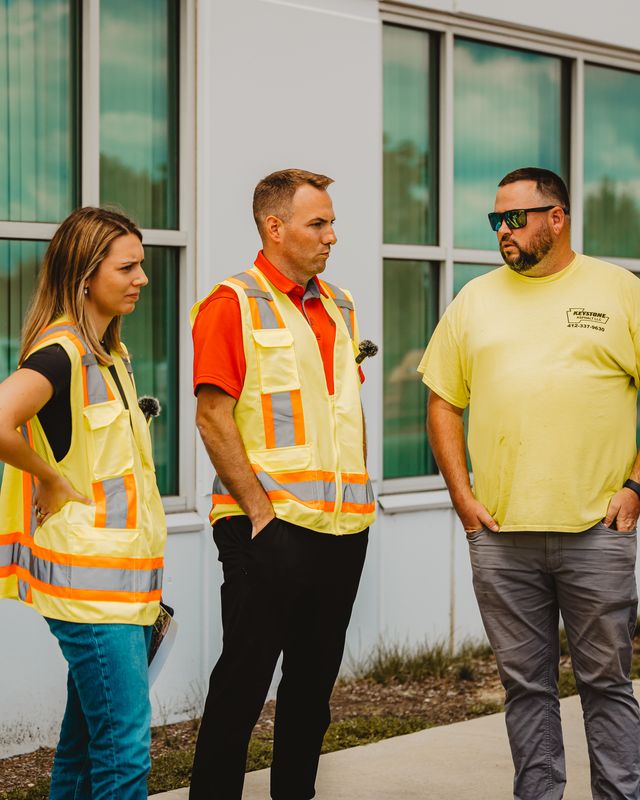
We minimize disturbance to tenants during parking area repairs. Not to delay the project but to plan carefully. We keep everyone informed and protect the daily routines residents rely on. At The Pavement Group, we incorporate this approach from the first site visit, rather than treating it as something we add afterward once the paving team has already arrived. If you plan to carry out repairs and want us to create a phased plan that accounts for your community’s actual traffic patterns, we will gladly walk the parking area with you.
Minimize Tenant Disruption During Apartment Parking Lot Repairs
Executing parking lot repairs on a multi-family property requires clear resident communication, strategic traffic management, and seamless execution. Without careful planning, paving projects lead to blocked access, resident frustration, and daily operational bottlenecks for property managers.
The Pavement Group delivers phased paving schedules, advance tenant notifications, and clear traffic control signage to keep your property running smoothly throughout every repair phase.
- Phased Construction Schedules: Work completed in planned sections to preserve resident parking access and ensure open drive aisles.
- Turnkey Tenant Logistics: Customized resident notification templates, clear directional signage, and fast-curing asphalt mixes to restore normal access quickly.
Frequently Asked Questions
What is the usual duration of a complete repair project for an apartment car park?
The time taken depends a great deal on the method of repair and on the size of the property, with property managers usually having to plan for a few days in the case of spot patching and sealcoating on a small site, whereas for a phased mill-and-overlay or a full-depth reclamation project on a larger multifamily property the period required is two to three weeks. Weather also has a major impact since asphalt materials generally require consistently warm and dry conditions to cure properly—the Asphalt Institute points out that most mixes work best when both ambient and base temperatures remain well above freezing throughout installation. Most dependable contractors work in sections instead of closing the entire site at once. This means residents usually regain full access long before the official completion date even while crews finish minor striping touch-ups in the background.
Is it the law that property managers have to offer accessible parking while construction is taking place?
Certainly. Under the Americans with Disabilities Act, if accessible parking spaces are removed for repair or construction, a property is typically required to provide a similar number of temporary accessible spaces, located as close as possible to the accessible entrance, for the entire duration of the work. This is not merely a matter of courtesy since not maintaining accessible routes and parking during a construction project can lead to complaints under fair housing or ADA laws, complaints that are much more expensive than the additional planning needed to prevent them. We therefore advise checking the current ADA Standards for Accessible Design and, if you are uncertain, consulting a local accessibility consultant before finalizing the phasing plan.
Who pays for the parking lot repair—is the cost ever passed on to tenants?
In most standard apartment leases, maintaining the parking lot is a shared-area expense paid by the property owner or management company and is not charged directly to individual tenants as a utility charge would be. In HOA or condo communities, the expense is usually included in the association’s dues or paid through a special assessment rather than appearing as a separate item, so residents generally pay through their ordinary fees rather than receiving a separate bill. Nevertheless, the terms of the lease and the HOA bylaws can differ from community to community, and so those who want a definite answer in their particular case should look over their lease agreement or HOA covenants or just ask their property manager directly—this depends entirely on their own documents and is not something we can deal with as legal advice.
What happens to my assigned or reserved parking spot while work is underway?
During a phased repair, contractors typically fence off the section under construction and temporarily reassign residents in that zone to numbered spots elsewhere on the property, usually with written notice posted or sent out 48 to 72 hours in advance. A well-run project keeps a running map — often digital, since it changes as phases move — showing exactly which spot is “yours” on any given day, rather than leaving residents to guess. If your assigned spot isn’t restored to its original location once your section of the project wraps up, flag it to your property manager right away, since it usually means a striping or signage step was missed.
Does renter’s insurance cover damage to my car when a repair crew causes it?
Generally, no—a standard renters insurance policy covers your personal belongings and personal liability inside your unit, not damage to your vehicle, which typically falls under your auto insurance policy. If a paving crew directly damages a resident’s car, the resident would normally file that claim through the contractor’s general liability or commercial auto insurance. This fact shows why you must ensure every company performing the work holds proper licensing, bonding, and insurance. This information provides general guidance and does not guarantee coverage. Residents who suffer vehicle damage should contact their property manager and personal insurance agent to confirm how they will handle any specific claim.
What if I need a special accommodation, like a disability placard spot or a moving day exception, during the repair window?
Most well-organized repair projects build in a simple request process for exactly this kind of situation, usually routed through the leasing office rather than the paving crew directly, since scheduling and accommodations are a property management decision. Residents with an ADA placard or plaque should confirm in advance that an accessible spot will remain available and clearly marked throughout every phase, not just at the start of the project. If you have a move scheduled, a medical equipment delivery, or another time-sensitive need during the repair window, raise it with your property manager as early as possible so they can route that day’s work around you instead of the other way around.
How do I confirm that a paving contractor holds proper licensing and insurance?
Most states maintain a public contractor licensing lookup where you can search by business name or license number to confirm a contractor is current and in good standing, and it’s entirely reasonable for a property manager or HOA board to ask a contractor for this information directly before signing a contract. You can also ask the contractor for a certificate of insurance (COI) naming the property as an additional insured, which confirms active general liability coverage rather than relying on their word. Organizations like the National Association of State Contractors Licensing Agencies keep information on how state licensing systems work if you’re not sure where to start looking for your state’s database.
See also: How Long Does It Take to Repave an Apartment Parking Lot?, Budgeting for Apartment Parking Lot Repairs: A Property Manager’s Guide
About the Author
The Pavement Group specializes in asphalt engineering, pavement maintenance solutions, and data-driven asset management for commercial, retail, and multi-family residential properties. Utilizing advanced structural pavement evaluations and capital planning transparency, The Pavement Group works directly with property managers to extend pavement lifecycles, eliminate liability risks, and optimize long-term infrastructure investments.