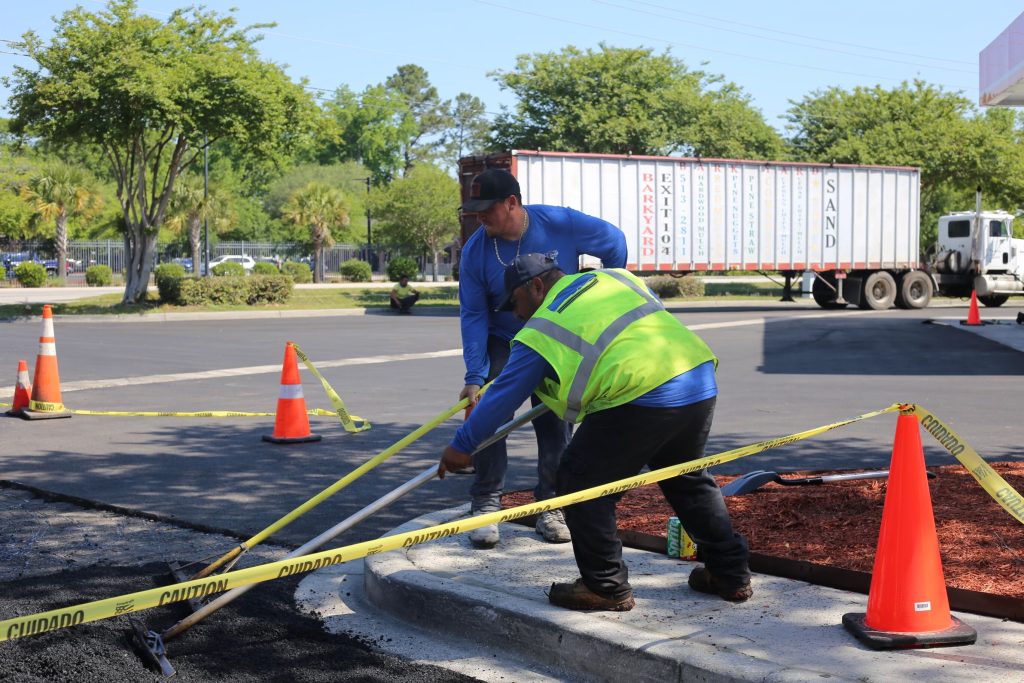
Many HOA boards make the mistake of treating pavement as a “low priority until it breaks.” The truth is, delaying maintenance can double or triple repair costs. From cracked asphalt to potholes and faded striping, pavement issues create safety hazards, reduce property value, and upset residents—all of which are preventable with smart planning.
At The Pavement Group, we see communities face these challenges daily. Our team provides full-service HOA pavement maintenance, including resurfacing, crack sealing, sealcoating, line striping, and full parking lot repair. Including pavement maintenance in your annual budget isn’t just proactive—it’s cost-effective and critical for long-term community health.
Understanding the True Cost of Deferred Pavement Maintenance
Too often, HOAs underestimate pavement maintenance costs. The U.S. Department of Transportation reports that preventive maintenance programs extend pavement life by 20-30% compared to reactive repairs.
1. The High Price of Neglect
Ignoring minor cracks or potholes may save a few thousand dollars initially. But repairing a failed asphalt section or resurfacing a parking lot costs 5–10 times as much as routine maintenance.
Think about it: patching a pothole is cheap, but if the subbase fails, the entire asphalt layer must be replaced.
2. Safety and Liability Considerations
Damaged pavement creates hazards for residents, guests, and delivery services. A single slip, fall, or vehicle accident can trigger liability claims. Proactive pavement maintenance reduces risk, keeping your HOA legally and financially protected.
3. Property Value Impact
Cracked, faded, or uneven pavement diminishes property value and resident satisfaction. Communities that maintain their roads and parking areas retain higher resale values. Pavement maintenance directly influences visitors’ and potential buyers’ first impressions.
What HOA Pavement Maintenance Includes
Including pavement maintenance in your annual budget is about more than patching holes.
The Pavement Group offers a full suite of services designed to protect pavement life:
- Crack Sealing: Fills cracks before water penetrates and causes subbase damage.
- Sealcoating: Protects asphalt from UV damage, oils, and moisture while enhancing appearance.
- Line Striping: Maintains clear, visible markings in parking areas for safety and compliance.
- Pothole Repair: Immediately addresses localized damage to prevent structural failure.
- Full Resurfacing or Replacement: Extends the life of roads and parking lots when preventive maintenance is no longer sufficient.
These services work together to preserve pavement integrity for years. Ignoring any of them can create cascading damage that quickly inflates repair costs.
Budgeting for Pavement Maintenance
Planning for pavement maintenance should not feel overwhelming. Most HOAs can anticipate costs through a combination of regular inspections, life-cycle analysis, and scheduled maintenance programs.
4. How to Estimate Annual Maintenance Costs
A common approach is to allocate 2–4% of pavement replacement cost annually for preventive maintenance. For example, a parking lot that costs $100,000 to replace should budget $2,000–$4,000 per year for routine upkeep. This includes crack sealing, minor patching, and sealcoating.
5. Scheduling Maintenance Wisely
Asphalt repairs should be done in dry, moderate weather to prevent water infiltration and freezing damage. Scheduling sealcoating every 3–5 years and crack sealing annually ensures longevity.
The Pavement Group works with HOAs to develop maintenance calendars that maximize pavement life while minimizing disruption.
Benefits of Proactive Pavement Planning
Why spend time planning maintenance instead of waiting for problems? There are multiple benefits:
6. Long-Term Cost Savings
Investing in routine maintenance reduces the likelihood of major repairs. Preventive measures protect the subbase, preventing water damage and costly reconstruction.
The math is simple: a $2,000 annual maintenance budget can prevent a $50,000 resurfacing project.
7. Improved Aesthetic Appeal
Freshly maintained pavement with clear markings makes the community look well-managed. Curb appeal boosts resident satisfaction and property values. A visually appealing environment fosters pride in the HOA.
Lifecycle Planning for HOA Pavement
Asphalt and concrete have finite lifespans, but proper planning can dramatically extend their lifespans.
9. Understanding Pavement Lifespan
- Asphalt roads: 15–20 years with preventive maintenance
- Concrete streets: 20–30 years with proper care
Annual budgeting allows you to plan replacements gradually, avoiding sudden financial strain. Life-cycle planning also prioritizes areas most in need, so resources are allocated efficiently.
10. Aligning Pavement Maintenance With Capital Reserves
HOA boards often include pavement projects in capital reserve planning. This ensures funds are available for both routine upkeep and unexpected repairs. Proper reserve studies consider pavement condition, age, usage, and climate impact—providing a clear roadmap for funding.
The Pavement Group Approach
At The Pavement Group, we partner with HOA boards to make pavement maintenance easy and predictable. Our approach includes:
- On-site inspections with detailed reports
- Written estimates with itemized services
- Customized maintenance schedules tailored to your budget
- Full-service repair, sealcoating, line striping, and resurfacing
We focus on preventive care rather than reactive fixes. By planning maintenance as part of your annual budget, your HOA avoids surprises and keeps residents satisfied.
Final Thoughts
Budgeting for HOA pavement maintenance is essential. Proactive planning reduces costs, improves safety, enhances community aesthetics, and protects property value. The Pavement Group helps HOA boards implement practical maintenance schedules, prioritize repairs, and extend pavement life efficiently.
Don’t wait for cracks to widen or potholes to appear. Include pavement maintenance in your next budget cycle, and your residents will thank you for years to come.
Schedule Your HOA’s Pavement Inspection
If your HOA is ready to make pavement maintenance predictable, cost-effective, and stress-free, call The Pavement Group today. Our team provides inspections, maintenance schedules, and full-service paving solutions tailored for your community.
Frequently Asked Questions
1. Why should pavement maintenance be included in an HOA budget?
Pavement issues get worse fast if ignored. Cracks turn into potholes, and potholes turn into major resurfacing projects. Budgeting ensures funds are ready before problems grow. It also keeps residents safe and satisfied. Planning ahead is always cheaper and less stressful than paying for emergency repairs.
2. How often should an HOA inspect pavement?
Ideally, inspections happen at least once per year. High-traffic areas may need semiannual checks. Frequent inspections catch small cracks before they worsen. They also allow you to schedule maintenance efficiently. Consistent inspections help your budget stay predictable.
3. What is the difference between crack sealing and sealcoating?
Crack sealing fills individual cracks to prevent water damage. Sealcoating covers the entire surface, protecting against UV and oil. Both together extend pavement life. Crack sealing is usually done annually, while sealcoating is done every 3–5 years. Using both prevents structural damage and keeps pavement looking new.
4. Can neglecting small cracks lead to HOA liability?
Absolutely. Trip hazards or vehicle damage can create legal risks. Residents or visitors injured due to neglected pavement may file claims. Regular maintenance reduces these risks. It’s both a safety and financial responsibility for HOA boards.
5. How does weather affect pavement maintenance?
Weather directly impacts pavement health. Heavy rain, freeze-thaw cycles, and heat can quickly worsen cracks. Maintenance scheduled in dry seasons is more effective. Sealcoating in the wrong conditions reduces protection. Understanding local climate helps you plan repairs efficiently.
6. Should HOA boards hire professionals or DIY for maintenance?
Professionals bring expertise and proper equipment. DIY repairs often fail to address underlying problems. Mistakes can shorten pavement life and increase costs. Professionals provide warranties and reliable long-term results. Investing in experts saves money and stress later.
7. How do pavements impact HOA property value?
Curb appeal matters. Cracked or uneven pavement reduces property values and deters potential buyers. Well-maintained roads signal a professionally managed community. Residents notice first impressions. Pavement upkeep also supports resale value and community pride.
8. How should maintenance be scheduled annually?
Crack sealing is usually done annually, and sealcoating is done every 3–5 years. Potholes and high-traffic areas may need more frequent attention. Prioritize critical areas first. Scheduling prevents emergency repairs. Annual planning also makes budgeting predictable and efficient.
9. What types of pavement are most common in HOAs?
Asphalt is most common because it’s affordable and easier to maintain. Concrete is used in high-load or long-term applications. Each type needs different care. Knowing your pavement type allows proper preventive maintenance. Professional assessment ensures you apply the right solutions.
10. How can HOAs prioritize which areas to repair first?
Focus on high-traffic areas such as entrances, main roads, and parking lots. Safety concerns take priority. Then address areas with visible cracks or water pooling. Prioritization ensures budget efficiency. This method prevents minor issues from affecting the whole community.