Have you ever paused outside a storefront and noticed how a smooth parking lot sets the tone before you even step inside? Pavement is more than just the ground we walk or drive on. It’s often the first handshake a business offers its customers. A well-done asphalt paving project speaks of professionalism, reliability, and care for detail. This makes understanding the asphalt paving process for your business not just helpful but essential. Think of it as learning what goes into the recipe of your company’s curb appeal.
Why Asphalt Matters for Businesses
Asphalt isn’t just blacktop. It’s a blend of strength and presentation that affects safety, customer impressions, and even long-term property value. If your parking lot is filled with potholes, uneven surfaces, or fading lines, it communicates neglect. On the other hand, a freshly paved lot is an invitation. It feels safe, organized, and professional. That’s why businesses across Pittsburgh, Cleveland, Columbus, and even smaller towns like Cranberry Township or Wexford are investing in the right asphalt paving partners.
Step 1: Initial Consultation and Site Evaluation
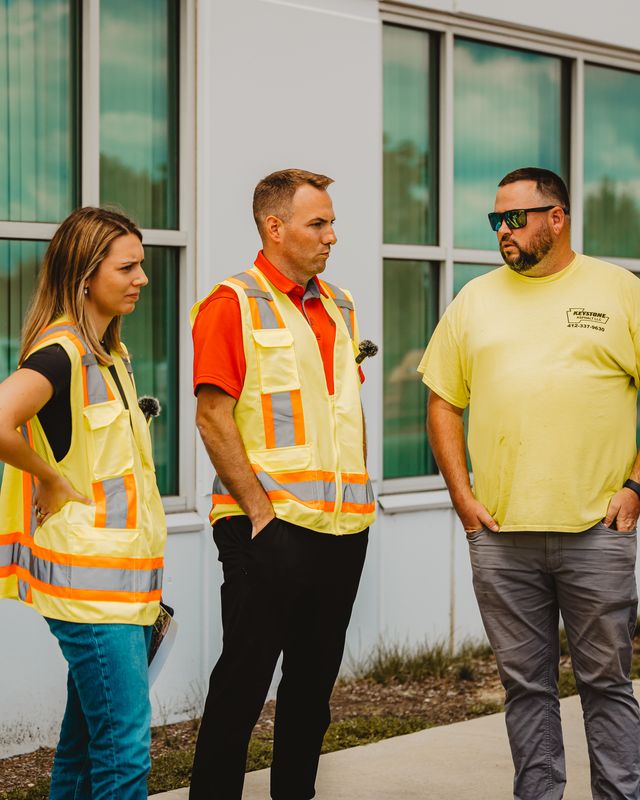
The paving journey begins with a conversation. A trusted contractor will visit your property, listen to your goals, and evaluate the existing conditions. This isn’t a five-minute glance at cracks. It’s a thorough assessment that looks at drainage, soil stability, and traffic flow. In Pennsylvania winters or Ohio’s freeze-thaw cycles, these factors are crucial. Skipping this step can lead to early pavement failure, which is much more expensive to repair later on.
Step 2: Planning and Proposal
After evaluation comes planning. You’ll receive a detailed proposal that explains costs, timelines, and the scope of work. Think of this as your roadmap. A solid proposal should include specifics like thickness of asphalt layers, recommended drainage solutions, and even the type of equipment to be used. The more transparent the proposal, the smoother the process will go later.
Step 3: Site Preparation
This step sets the foundation, literally. Crews will clear the area, remove old pavement, and grade the site. Grading is especially critical because it ensures water drains properly. Poor drainage is the number-one enemy of pavement. In regions like Allegheny County, where heavy rain is common, a poorly graded lot can quickly develop potholes. Imagine throwing money at a brand-new surface only to see it crumble a year later. That’s why preparation can never be rushed.
Step 4: Base Installation
Think of the base as the backbone of the pavement. It’s made of crushed stone and aggregate, compacted tightly to create a stable foundation. Without a strong base, asphalt layers will shift and crack. A good contractor in Pittsburgh or Cleveland will take the time to properly compact and test this layer. Skipping or rushing base installation is like building a skyscraper on sand.
Step 5: Binder and Asphalt Layering
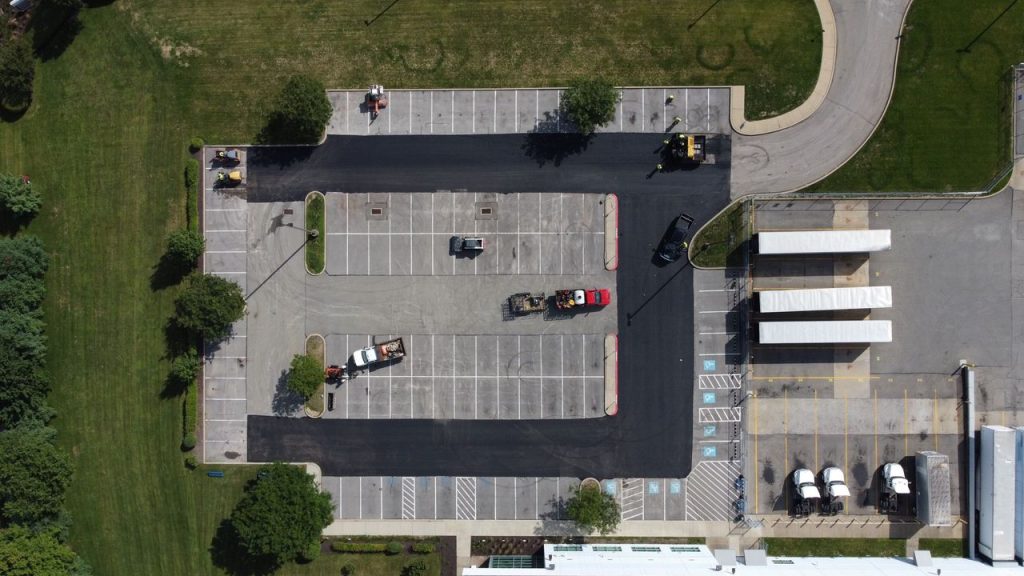
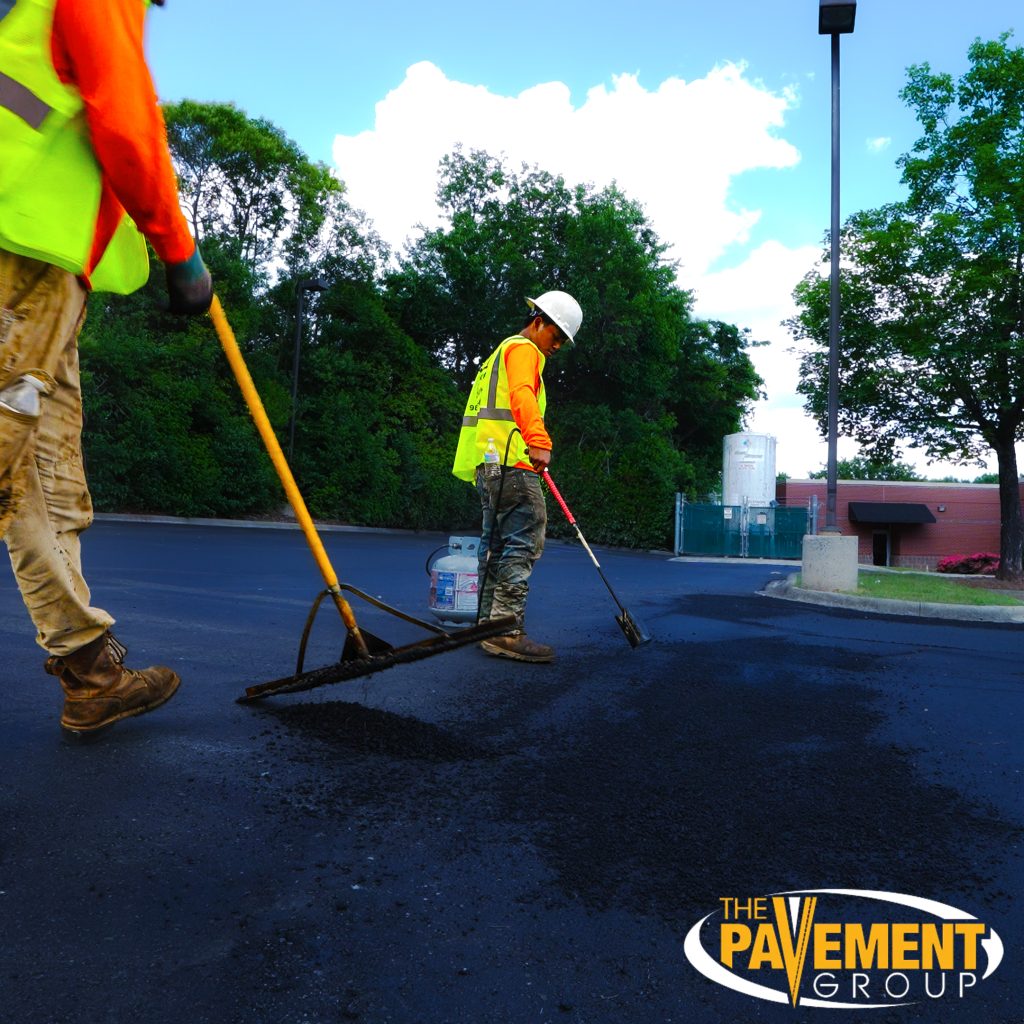
Now comes the recognizable blacktop. Asphalt is laid in layers, beginning with a binder course followed by the surface course. Each layer is carefully spread, leveled, and compacted using rollers. This ensures strength and durability. For high-traffic areas like shopping centers or hospitals, contractors may use thicker layers or special asphalt mixes designed to handle the load.
Step 6: Finishing Touches
This is where the project starts to look sharp. Crews add smooth edges, correct transitions, and apply striping for parking spaces and directional arrows. Signage, ADA compliance markings, and speed bumps may also be installed. The finishing touches aren’t cosmetic fluff. They keep traffic safe and organized, which reduces liability for your business.
Step 7: Curing and Opening
Once the last roller passes, your asphalt is strong but not invincible. It needs time to cure. Most contractors recommend waiting at least 24–48 hours before opening to traffic. This waiting period allows the asphalt to harden, ensuring it can withstand the daily wear of cars, trucks, and delivery vehicles. It’s tempting to rush this step, but patience here pays off in longevity.
Step 8: Maintenance Planning
Asphalt paving isn’t a one-and-done project. Maintenance is key to extending its life. Sealcoating, crack filling, and routine inspections keep small problems from turning into big, expensive ones. In Northeast climates, sealcoating every 2–3 years is the standard recommendation. By investing in maintenance, you maximize the lifespan of your asphalt and protect your original investment.
Testimonial
“I own a retail plaza in Cranberry Township, and our lot was in rough shape. The team came in, explained every step of the paving process, and kept the timeline they promised. The site preparation and drainage improvements were spot on. When they finished, the lot looked brand new. Customers noticed immediately, and I felt proud of the first impression my property gave again. It wasn’t just paving. It was a business upgrade.”
Working with local contractors means they understand specific challenges in your area. In Pittsburgh, it’s the freeze-thaw cycle. In Columbus, it’s heavy truck traffic on commercial routes. Local expertise ensures the job isn’t just technically sound but tailored to real-world conditions your property faces.
Get It Done Right the First Time.
Your parking lot or driveway is more than pavement. It’s a business asset. If you want it done right the first time, partner with experts who understand the asphalt paving process for your business and have the track record to prove it. Don’t wait until cracks and potholes chase away customers. Call The Pavement Group today for a free site evaluation and detailed proposal that gives your property the professional edge it deserves.
Frequently Asked Questions
1. How long does asphalt paving take for a business property?
Most projects take a few days depending on the size of the lot. Preparation, layering, and curing all factor into the timeline. Weather can also influence the schedule.
2. What factors affect the cost of asphalt paving?
Costs depend on square footage, base condition, drainage needs, and asphalt thickness. Local labor and material pricing also play a role. Detailed proposals help avoid surprises.
3. How soon can customers drive on new asphalt?
Typically, you’ll need to wait 24–48 hours before reopening to traffic. For heavier loads, contractors may recommend a longer cure period. This ensures durability.
4. Do businesses need permits for asphalt paving?
Yes, many municipalities require permits. Contractors usually handle this step. Permits cover grading, drainage, and environmental compliance.
5. How do weather conditions affect asphalt paving?
Extreme heat or cold can compromise asphalt quality. Ideal paving conditions are mild temperatures and dry weather. Rain can delay projects.
6. What’s the difference between resurfacing and repaving?
Resurfacing adds a new layer on top of existing asphalt if the base is still strong. Repaving involves removing and replacing the entire structure. Contractors assess which is best.
7. How often should a business sealcoat asphalt?
Sealcoating every 2–3 years is recommended. It protects against UV damage, water infiltration, and oil spills. Consistent sealcoating extends pavement life.
8. What signs show asphalt needs repair or replacement?
Cracks, potholes, pooling water, and fading color are red flags. These signs suggest weakened structure or poor drainage. Early repairs save money.
9. Is asphalt eco-friendly for business properties?
Yes, asphalt is 100% recyclable. Many projects use reclaimed asphalt pavement (RAP). This reduces waste and supports sustainability goals.
10. How do I choose the right contractor for asphalt paving?
Look for experience, local knowledge, and detailed proposals. Check references and past projects in your area. A good contractor explains every step clearly.