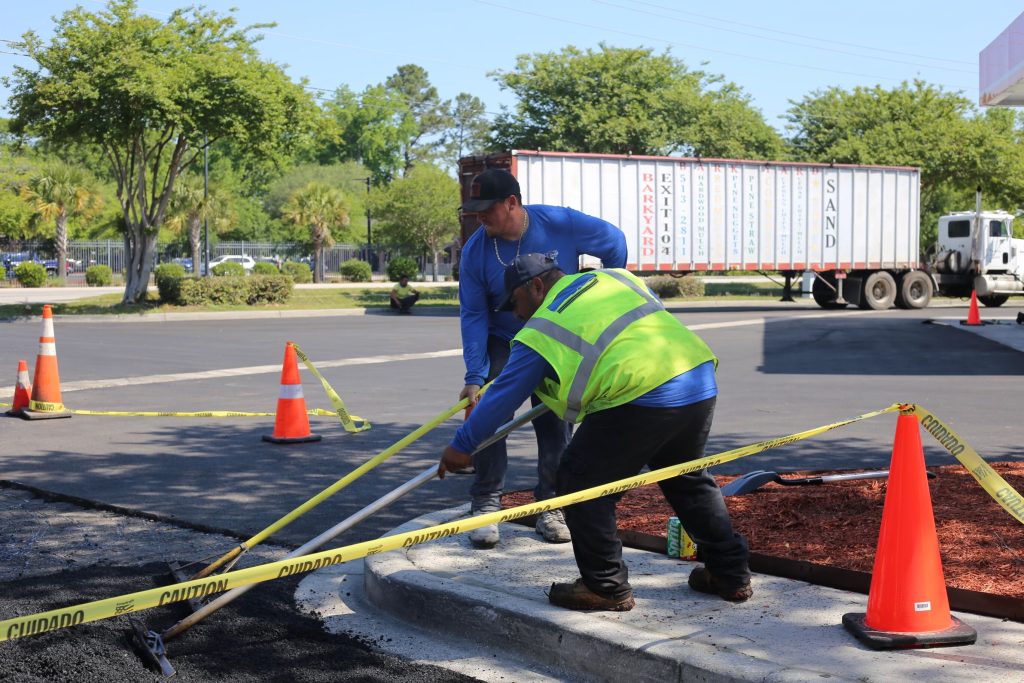
Homeowners associations across the country are feeling it right now. Budgets are tighter. Material costs fluctuate. Residents expect more transparency than ever. At the same time, aging pavement in neighborhoods, condo communities, and townhome developments continues to deteriorate quietly under daily traffic. Here’s the reality many boards face: postponing HOA pavement repairs may seem financially responsible in the short term, but the long-term consequences are far more expensive. Asphalt does not pause its aging process because a budget meeting runs long. Water intrusion, freeze-thaw cycles, UV exposure, and vehicle weight continue working against it every single day.
As a paving contractor team, we have walked hundreds of HOA properties. What starts as minor cracking can turn into structural failure within a few seasons. Understanding the true cost of delaying HOA pavement repairs is not just about asphalt. It is about liability, property value, resident satisfaction, and long-term financial planning.
1. Small Cracks Turn Into Major Structural Damage
The Pavement Group Service: HOA Asphalt Crack Sealing & Preventive Maintenance
Hairline cracks may look harmless at first glance. Many boards assume they can wait another year. However, once water penetrates the surface, it begins to weaken the base layer beneath the asphalt.
When that base softens, the pavement loses structural integrity. What could have been resolved with routine crack sealing becomes:
- Alligator cracking
- Base failure
- Widespread potholes
- Full-depth reconstruction
Preventive crack sealing costs a fraction of the cost of full replacement. Delaying that service significantly increases expenses over the next two to three years.
2. Rising Repair Costs Due to Inflation and Material Pricing
The Pavement Group Service: Asphalt Resurfacing & Milling
Asphalt is petroleum-based. That means oil market fluctuations directly impact pricing. Waiting several years does not freeze costs in place.
In fact, boards often experience:
- Higher material pricing
- Increased labor rates
- Extended project timelines
- Larger repair scopes
Resurfacing early stabilizes the pavement before deeper structural issues develop. Milling and overlay projects are far more affordable than total reconstruction.
3. Increased Liability Risks
The Pavement Group Service: HOA Parking Lot Repairs & ADA Compliance
Cracked sidewalks, potholes, and uneven pavement create tripping hazards. HOAs have a legal duty to maintain common areas in reasonably safe condition.
Delaying repairs increases:
- Slip and fall claims
- Vehicle damage complaints
- Insurance premium adjustments
- Legal exposure
A single injury claim can exceed the cost of preventive maintenance for an entire property. Addressing pavement hazards proactively protects residents and shields associations from avoidable liability.
4. Accelerated Water Damage and Drainage Issues
The Pavement Group Service: Drainage Correction & Asphalt Rehabilitation
Water is asphalt’s greatest enemy. Once surface cracks form, moisture seeps below and weakens the base. In colder climates, freeze-thaw cycles expand trapped water and rapidly widen cracks.
Pooling water leads to:
- Sub-base erosion
- Surface depressions
- Faster pothole formation
- Premature pavement aging
Correcting drainage early and sealing compromised areas preserves the structural foundation of the lot or roadway.
5. Declining Property Values
The Pavement Group Service: Community-Wide Resurfacing Projects
Prospective buyers notice pavement condition immediately upon entering a community. Faded striping, crumbling edges, and patchwork repairs send the wrong message.
Well-maintained asphalt communicates:
- Strong financial management
- Proactive board leadership
- Resident safety priorities
- Community pride
Deferred maintenance signals instability. That perception alone can impact resale values and buyer confidence.
6. Resident Complaints and Board Pressure
The Pavement Group Service: Long-Term Pavement Asset Planning
Residents drive over those potholes every day. They see the cracks widening. Over time, complaints increase, and board meetings become tense.
Proactive pavement planning allows boards to:
- Schedule phased improvements
- Budget accurately
- Communicate timelines clearly
- Avoid emergency approvals
A structured maintenance plan builds trust with homeowners and reduces reactive decision-making.
7. Emergency Repairs Disrupt Community Life
The Pavement Group Service: Scheduled HOA Asphalt Maintenance Programs
Emergency patching during peak traffic seasons causes inconvenience. Parking restrictions, detours, and construction noise create frustration.
Planned maintenance allows for:
- Coordinated scheduling
- Proper resident notification
- Efficient crew deployment
- Better long-term results
Emergency fixes often cost more and deliver shorter lifespans than properly engineered repairs.
8. Full Replacement Becomes the Only Option
The Pavement Group Service: Full-Depth Reconstruction
Perhaps the highest cost of delaying HOA pavement repairs is the loss of the ability to choose affordable options. When structural failure spreads across a property, resurfacing is no longer viable.
At that stage, associations face:
- Complete tear-out
- Base reconstruction
- Extended closures
- Substantial capital expenditures
Early intervention keeps resurfacing and targeted repairs on the table.
Plan Today or Pay Tomorrow
At The Pavement Group, we approach HOA pavement as an asset, not a short-term expense. From crack sealing and resurfacing to full-depth reconstruction and long-term asset planning, our team delivers structured solutions tailored to community needs.
Contact The Pavement Group today and turn deferred maintenance into a strategic advantage.
Frequently Asked Questions
1. Why is delaying HOA pavement repairs so expensive over time?
Because asphalt never gets better on its own. A small crack lets water in, which weakens the base. Once the base softens, the surface collapses faster. What could have been a simple seal turns into a structural repair. Waiting multiplies the cost, sometimes dramatically.
2. How does neglected pavement impact HOA budgets?
Neglect creates surprise expenses. Instead of planning repairs calmly, the board scrambles to fix emergencies. Emergency work usually costs more and moves faster than budgets allow. That can mean dipping into reserves or raising dues. Long-term planning always costs less than last-minute patchwork.
3. Can small cracks really cause major asphalt failure?
Yes, and it happens more often than most boards expect. Cracks are openings for water intrusion. Once moisture reaches the base, it begins breaking everything down underneath. Traffic pressure then speeds up the damage. What looked minor on the surface becomes widespread failure below.
4. How does delaying pavement repairs affect property value?
Buyers notice pavement immediately. It sets the tone before they even park the car. If roads look worn and neglected, confidence drops. That perception affects resale appeal and market value. Clean, smooth pavement sends the opposite message. It signals care and financial stability.
5. What liability risks come with damaged HOA pavement?
Uneven pavement creates trip hazards. Potholes damage vehicles. Both situations can lead to claims against the association. Even small injuries may increase insurance premiums. One serious lawsuit can exceed years of preventive maintenance costs. Fixing hazards early protects everyone involved.
6. When should an HOA schedule pavement maintenance?
Maintenance should begin before visible failure spreads. Annual inspections help identify early warning signs. Crack sealing and sealcoating are most effective when pavement is still structurally sound. Waiting for potholes means you are already behind. Early action extends lifespan significantly.
7. Is resurfacing better than full reconstruction?
It depends on the condition of the base. If the foundation is stable, resurfacing is a cost-effective option. However, once the base fails, reconstruction becomes unavoidable. The key is timing. Addressing issues early keeps them from resurfacing.
8. How does weather accelerate pavement deterioration?
Heat dries and oxidizes asphalt, making it brittle. Rain seeps into cracks, weakening the base. In colder regions, freeze-thaw cycles expand trapped moisture. That expansion widens cracks quickly. Weather can be damaging year-round, even when the damage seems minor.
9. How long can an HOA realistically wait before repairing pavement?
That depends on the condition, but waiting rarely helps. Once cracking spreads, deterioration accelerates quickly. A year’s delay can double the scope of repairs. Surface damage rarely stays surface level. Acting sooner preserves more affordable options.
10. What are the signs that pavement damage is becoming structural?
Look for alligator cracking patterns. Watch for sinking areas or recurring potholes. If patches keep failing, the base may be compromised. Drainage issues are another red flag. These signs usually indicate that surface repairs are no longer sufficient.