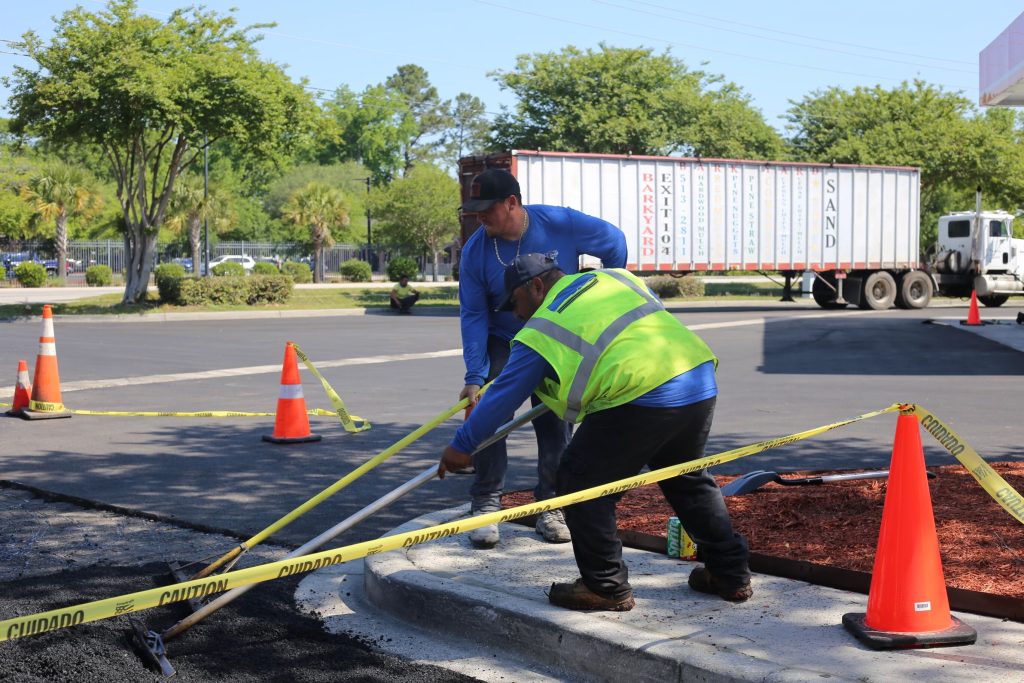
Everyone wants long-term tenants, stable revenue, and minimal turnover. But here’s a secret not everyone talks about: your pavement plays a bigger role in tenant retention than you might think. It’s one of the first things tenants see, one of the last things they judge, and one of the constant elements they interact with day after day.
That’s where partnering with experts like The Pavement Group makes all the difference. Quality pavement isn’t just a visual upgrade. It’s a business strategy that supports tenant satisfaction, operational efficiency, and long-term retention.
Let’s break down exactly how pavement impacts retention and why smart property managers treat pavement as an investment, not a last-minute fix.
Why Pavement Quality Matters for Industrial Park Tenants
Industrial tenants depend on reliable surfaces to keep their operations moving. Whether they handle daily truck traffic, store goods outdoors, or manage warehouse fleets, pavement can either support or slow down their entire workflow.
Here’s why pavement quality matters so much:
1. It Affects Safety Standards
Uneven pavement, potholes, and crumbling edges create real safety hazards. Forklifts hit dips, trucks bounce through ruts, employees trip on cracks, and tenants pay the price through delays, injuries, and damaged equipment.
A safe surface keeps people and vehicles moving confidently.
2. It Influences Operational Efficiency
When trucks can’t move smoothly, schedules fall apart. A loading area with broken asphalt or poorly marked routes slows traffic, frustrates drivers, and disrupts warehouse timing.
Good pavement keeps operations seamless, and seamless operations keep tenants content.
3. It Shapes First Impressions
Industrial tenants entertain suppliers, vendors, corporate visitors, and new hires. When they pull into a cracked, faded, poorly drained lot, visitors don’t get the best impression.
A clean, smooth, professional-looking surface helps tenants project stability and professionalism.
How Pavement Influences Tenant Retention
Tenant retention isn’t only about rent prices or square footage. It’s about making tenants feel valued, supported, and confident in your property long-term. Pavement plays a surprisingly direct role in that.
4. It Reduces Tenant Complaints
Nothing irritates tenants faster than repeating the same problem over and over. When pavement issues constantly reappear. Potholes, drainage problems, and cracking, tenants feel ignored.
A well-maintained property communicates, “We care about your operations.”
5. It Prevents Business Interruptions
Tenants lose money every time repairs interrupt deliveries or restrict access. If maintenance crews appear without planning or if pavement fails during peak seasons, tenants feel the impact immediately.
Reliable pavement reduces interruptions, helping tenants operate smoothly.
6. It Shows Long-Term Property Stewardship
Industrial tenants stay longer when they trust the property owner. Up-to-date pavement demonstrates that the landlord invests in the property, not just collects rent.
It signals professionalism, responsibility, and long-term performance, which tenants value greatly.
Pavement Features Tenants Appreciate Most
Different tenants use your pavement in different ways, but certain features consistently improve satisfaction across all industrial operations.
7. Clear Traffic Flow and Markings
Striping, signage, and designated vehicle zones help trucks navigate confidently. Efficient traffic planning prevents bottlenecks and reduces the risk of collisions.
This organization supports productivity and safety.
8. Strong, Heavy-Duty Asphalt or Concrete
Industrial vehicles aren’t light. Pavement must be built to handle constant axle weight and repetitive stress.
Quality materials prevent premature failure. Something tenants appreciate more than you might expect.
9. Good Drainage Systems
Standing water erodes pavement, creates safety hazards, and leads to expensive repairs. Tenants notice sites where drainage works well because their equipment stays safer and operations run smoother.
Drainage may be invisible, but it makes a big impact.
Long-Term Benefits of Investing in Pavement Maintenance
Here’s the truth: maintenance is cheaper than replacement, and it keeps tenants happier.
Routine sealcoating, crack sealing, striping, and patching extend pavement life dramatically. It also reassures tenants that the property is being cared for consistently, not just when something breaks.
When industrial park owners partner with experts like The Pavement Group, they receive preventative pavement strategies instead of reactive repairs. And that level of commitment leads to better tenant relationships and long-term stability.
Final Thoughts
When industrial park owners invest in their pavement, they’re investing in tenant trust, operational reliability, and long-term occupancy. Tenants may not always verbalize it, but they absolutely notice when pavement supports their workflow, and when it doesn’t.
If you want to strengthen tenant retention, improve property value, and create a professional, safe environment, upgrading your pavement should be at the top of your list.
Ready to Keep Your Tenants Longer? Let’s Build Better Pavement.
The Pavement Group brings smart planning, durable materials, and long-term maintenance strategies to industrial parks that want to keep tenants satisfied and loyal.
Book a consultation today and protect your property and your tenant relationships.
Frequently Asked Questions
1. Why is pavement important for industrial park tenant retention?
Pavement affects daily operations by influencing traffic flow, safety, and accessibility. When pavement fails, tenants experience delays and increased costs, which affects satisfaction. Well-maintained pavement helps create a reliable environment that encourages tenants to stay long-term.
2. How does poor pavement impact industrial operations?
Damaged pavement can slow down trucks, restrict access, and cause equipment damage. These delays reduce operational efficiency and increase expenses for tenants. Unresolved pavement issues often lead tenants to explore other properties with better maintenance.
3. What pavement features matter most to industrial tenants?
Industrial tenants value durable surfaces, clear markings, and reliable drainage. These elements keep operations safe and efficient throughout busy workdays. High-quality pavement helps reduce interruptions and prevent costly delays.
4. How does pavement affect safety in industrial parks?
Uneven surfaces, cracks, and potholes pose risks for workers and vehicles. Poor pavement increases the chance of accidents involving forklifts, trucks, or employees. Well-maintained pavement reduces these risks and improves overall site safety.
5. Can good pavement reduce tenant complaints?
Yes, well-maintained pavement significantly reduces issues tenants need to report. Fewer complaints lead to better relationships between tenants and property managers. Consistent maintenance also builds trust and satisfaction.
6. Why does pavement quality reflect on property management?
Tenants view pavement maintenance as a sign of how well the property is managed overall. When infrastructure is updated and maintained, it communicates professionalism and care. This perception greatly influences whether tenants decide to stay.
7. How often should pavement in industrial parks be maintained?
Industrial pavement should be evaluated annually and serviced as needed. High-traffic locations may require more frequent inspections to prevent early deterioration. Routine care ensures long pavement life and consistent tenant satisfaction.
8. Does pavement quality affect employee and visitor impressions?
Visitors and employees notice pavement quality as part of the property’s overall appearance. Clean, well-marked surfaces help companies promote professionalism. This strengthens tenants’ confidence in their location.
9. How does drainage influence industrial pavement performance?
Poor drainage leads to pooling water, erosion, and structural damage to pavement. Effective drainage protects against premature failure and safety hazards. Tenants benefit from smoother operations and fewer disruptions.
10. Can investing in pavement improvements help attract new tenants?
Upgraded pavement improves curb appeal and makes industrial parks more competitive. Prospective tenants look for properties that support efficient operations and long-term growth. A well-maintained pavement system can be a deciding factor when choosing a location.