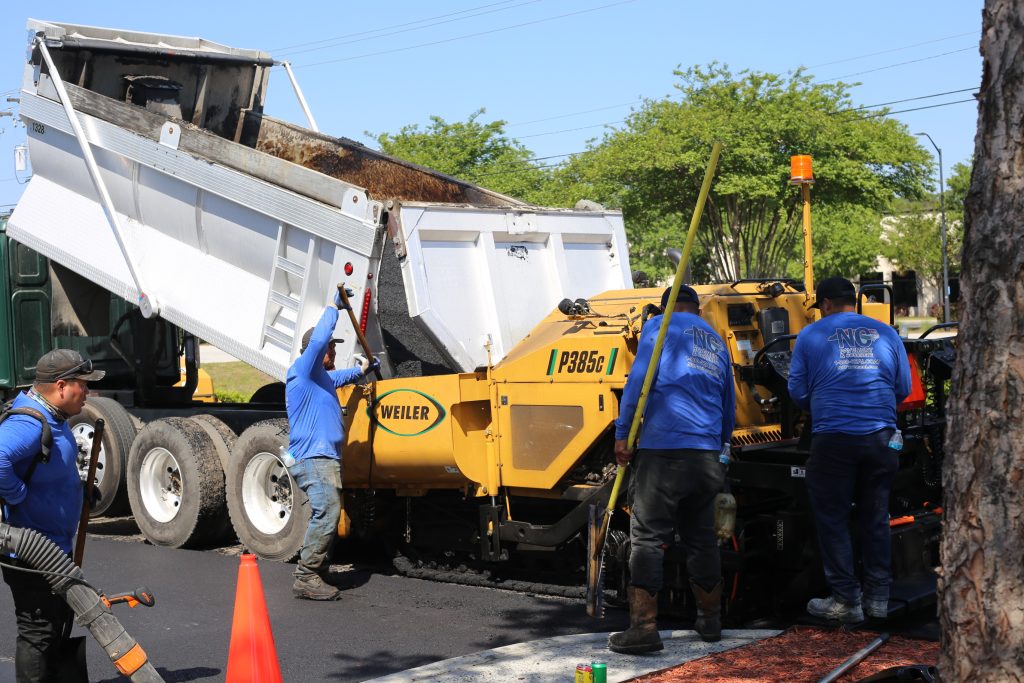
When it comes to industrial properties, pavement often goes unnoticed. Yet, it plays a vital role in determining overall property value and performance. From parking lots to loading docks, well-maintained commercial pavement enhances appearance, safety, and functionality.
In today’s competitive real estate market, small details create a big impact. Smooth, durable, and professionally designed pavement makes a powerful first impression. It tells clients and investors that the property is managed with care and built to last.
This article explores the role of commercial pavement in enhancing industrial property value, showing why it’s one of the smartest investments an owner can make.
Why Commercial Pavement Matters for Industrial Properties
Pavement is more than asphalt. It’s the foundation of daily operations. Trucks, forklifts, and heavy machinery rely on stable surfaces for safe movement. A weak or uneven lot causes accidents, delays, and repair costs.
High-quality pavement provides long-term savings by reducing maintenance needs and extending surface life. It improves curb appeal, promotes safety, and enhances usability across the entire property.
The Connection Between Pavement Quality and Property Value
Industrial investors look beyond buildings. They evaluate infrastructure quality too. Pavement condition directly influences property valuation and market perception. Cracked, faded, or uneven surfaces signal neglect and lower a property’s worth.
On the other hand, freshly paved lots with proper striping create an image of reliability and professionalism. Buyers or tenants are more likely to pay higher rates for a property that’s ready for operations.
Curb Appeal and First Impressions
First impressions count, especially in the industrial sector. When visitors or clients arrive, they see the pavement before they see the warehouse. A clean, well-marked lot projects trust and order.
A neglected surface filled with potholes or stains sends the opposite message. Professional pavement work ensures your property looks maintained, modern, and safe. That appearance directly translates into increased property value and tenant satisfaction.
Safety and Liability Reduction
Poorly maintained pavement creates risks for employees, drivers, and visitors. Uneven surfaces cause trips, falls, and vehicle damage. These hazards increase liability and insurance costs for property owners.
A smooth and well-designed pavement system minimizes those risks. Proper grading, drainage, and line marking improve both safety and traffic flow. Fewer accidents mean fewer claims and higher confidence among occupants.
The Financial Return on Pavement Investment
Investing in commercial pavement isn’t just about aesthetics. It’s about financial performance. Well-maintained pavement can increase property resale value by 10–15%.
In addition, regular maintenance prevents costly structural damage later. Studies show that every dollar spent on preventive pavement care saves up to five dollars in future repairs. Long-term cost savings and improved resale potential make pavement upgrades a smart financial move.
Energy Efficiency and Environmental Benefits
Modern pavement technologies focus on sustainability and efficiency. Permeable asphalt and reflective coatings reduce heat absorption and stormwater runoff. These environmentally friendly features attract eco-conscious investors and tenants.
Lower surface temperatures also reduce energy demand inside nearby buildings. A green pavement strategy not only boosts property value but also aligns with modern environmental standards.
The Impact of Maintenance and Upkeep
Even the best pavement needs maintenance. Regular sealcoating, crack filling, and line striping protect surfaces from weather and heavy traffic. Ignoring these steps leads to costly deterioration.
Consistent upkeep extends lifespan and keeps the property looking professional. Routine inspections also help identify drainage or structural problems early. The more proactive the maintenance, the higher the long-term property value.
Professional Design and Engineering
Well-engineered pavement supports heavy loads, efficient traffic flow, and proper drainage. Professional design ensures that the layout meets both safety standards and practical needs.
Engineers factor in soil quality, traffic volume, and environmental impact before paving begins. The result is a system that lasts longer and performs better. Smart engineering transforms pavement from a simple surface to a valuable asset.
What Clients Say About Our Work
“Our loading area was a mess before repaving. The new surface not only looks great but also improved safety dramatically. It’s a night-and-day difference.” – Jonah P., Operations Manager
“After upgrading our parking lots, clients started complimenting our facility instantly. It’s amazing how much a smooth surface changes perception.” – Addison R., Property Owner
“Our property value increased after resurfacing. The investment paid off faster than expected. I wish we had done it sooner.” – Hunter L., Industrial Developer
Real results like these prove that quality pavement adds measurable value to industrial properties and business operations alike.
The Role of Drainage in Longevity and Value
Drainage design is one of the most overlooked aspects of pavement planning. Without proper runoff systems, water weakens the surface over time.
Pooling or flooding leads to cracks, potholes, and early pavement failure. Smart drainage solutions extend pavement life and protect your investment. Long-lasting surfaces always increase property market appeal and return.
Enhancing Traffic Flow and Efficiency
A well-marked, well-designed pavement layout improves efficiency. Industrial sites depend on clear traffic flow to move goods and personnel safely.
Proper line striping, directional markings, and loading zones reduce confusion and accidents. Streamlined logistics save time and increase property desirability.
Final Thoughts
The role of commercial pavement in enhancing industrial property value cannot be overstated. From curb appeal to safety and financial performance, every aspect benefits from high-quality surfaces.
Well-maintained pavement attracts investors, satisfies tenants, and protects your long-term assets. It’s a practical and profitable way to elevate your property’s reputation and return on investment.
Ready to Elevate Your Industrial Property’s Value?
Invest in professional pavement solutions that last. Contact The Pavement Group today to schedule a consultation and see how expert paving can transform your industrial property.
Frequently Asked Questions
1. What is the role of commercial pavement in enhancing industrial property value?
Commercial pavement directly affects the appearance, safety, and functionality of an industrial property. A well-paved surface improves first impressions, showing professionalism and attention to detail. It also reduces maintenance costs and liability risks over time.
2. How does pavement quality influence industrial property resale value?
High-quality pavement enhances the perceived worth of a property by creating a clean, organized environment. Buyers and tenants associate smooth, durable surfaces with strong management and low maintenance needs. Poor pavement, on the other hand, signals neglect and potential repair costs. Real estate appraisers consider pavement condition during valuation.
3. Why is pavement maintenance important for industrial facilities?
Maintenance prevents cracks, potholes, and water damage that weaken pavement integrity. Regular sealcoating, cleaning, and repairs keep surfaces functional and safe. It also helps avoid costly full replacements later. A maintained pavement system supports heavy machinery without structural damage.
4. How can commercial pavement improve safety in industrial areas?
Smooth pavement reduces tripping hazards, vehicle damage, and loading area accidents. Proper striping and signage help manage heavy equipment movement safely. Good drainage also prevents puddles and ice formation during cold months.
5. Does investing in new pavement increase ROI for industrial property owners?
Yes, quality pavement delivers measurable financial returns. It decreases operational interruptions, reduces repair costs, and enhances tenant satisfaction. Industrial investors often view pavement upgrades as long-term value assets. Properties with strong infrastructure command higher lease rates and attract premium tenants.
6. How do eco-friendly paving materials affect property value?
Sustainable materials like recycled asphalt and permeable pavers reduce heat absorption and stormwater runoff. These green solutions appeal to eco-conscious investors and businesses. Properties that implement sustainable design often qualify for tax incentives or certifications. Eco-friendly pavement also extends surface lifespan and reduces energy costs.
7. What type of pavement is best for industrial properties?
The ideal pavement depends on traffic type, climate, and load requirements. Asphalt is flexible, cost-effective, and handles heavy truck traffic well. Concrete offers longer durability and a polished appearance for high-visibility areas. Many facilities use hybrid systems combining both materials for maximum performance.
8. How does pavement drainage affect property performance?
Effective drainage prevents standing water that causes surface cracks and foundation damage. Poor water management leads to costly structural issues over time. Well-designed pavement includes slopes, channels, and storm drains to direct runoff safely. Consistent drainage maintenance prevents flooding and erosion around the facility.
9. How often should industrial pavement be inspected or maintained?
Experts recommend inspecting pavement at least twice a year, usually in spring and fall. Regular inspections identify early signs of wear, cracking, or drainage problems. Preventive maintenance, such as sealcoating every three years, extends surface lifespan. Heavy-use industrial zones may require more frequent repairs or resurfacing.
10. How does pavement design contribute to industrial efficiency and value?
A well-planned pavement layout improves traffic flow, loading efficiency, and safety. Proper striping, signage, and access points streamline operations and reduce downtime. Design elements like turning radii and staging areas accommodate large vehicles safely. Efficient pavement layouts save time and minimize operational disruptions.