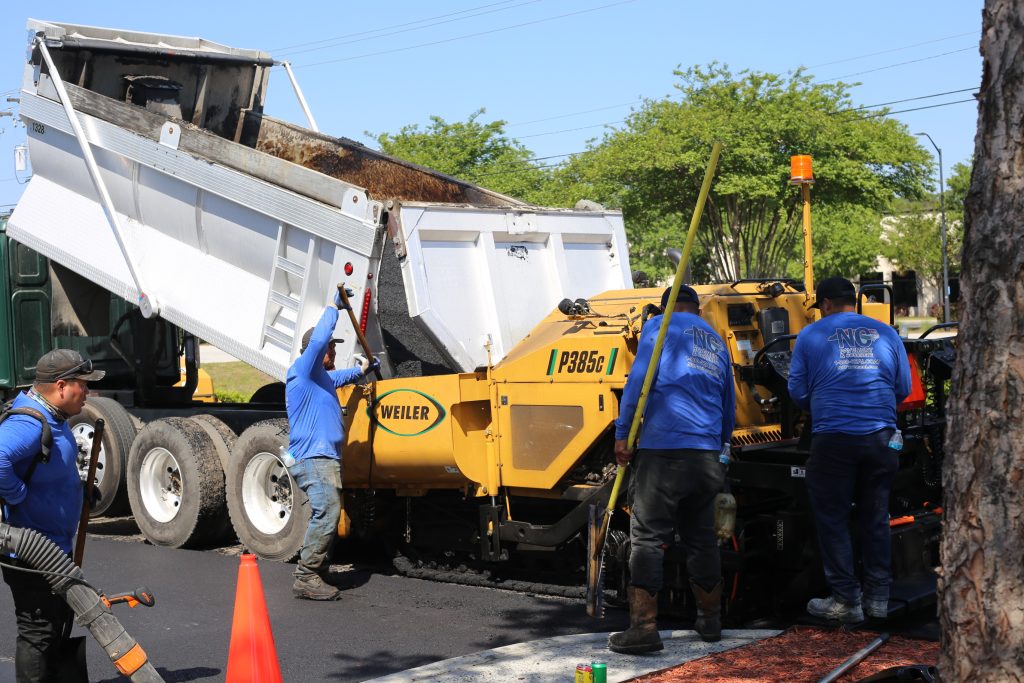
Sealcoating services for HOAs become essential. Sealcoating acts as a protective layer that shields asphalt from oxidation, moisture penetration, and everyday wear. When done at the right time and on a consistent schedule, it can significantly extend the lifespan of roads and parking lots.
At The Pavement Group, our team works with HOA boards and property managers to create proactive maintenance plans. Instead of waiting for pavement to deteriorate, we help communities stay ahead of costly repairs with professional sealcoating and asphalt preservation services.
In this guide, let us discuss when, how often, and why HOAs should sealcoat.
Why HOAs Should Prioritize Sealcoating
Many HOA boards delay pavement maintenance until visible damage appears. Unfortunately, that strategy often leads to expensive repairs.
Sealcoating is considered preventive maintenance, meaning it protects asphalt before major damage occurs.
1. Protects Community Infrastructure
HOA roads and parking lots receive constant traffic from residents, delivery trucks, garbage trucks, and emergency vehicles. This repeated pressure gradually weakens asphalt surfaces.
Sealcoating helps reinforce the pavement surface, allowing it to withstand heavy use for longer periods.
2. Maintains Property Value
Well-maintained pavement significantly improves neighborhood appearance. Prospective buyers notice the condition of roads, driveways, and parking areas when evaluating a community.
Sealcoating restores asphalt’s deep black appearance, making the entire neighborhood look newer and better maintained.
3. Prevents Expensive Repairs
Small cracks may seem harmless at first. However, water infiltration can quickly turn small cracks into potholes and structural damage.
Sealcoating fills minor surface voids and slows deterioration, helping HOAs avoid major reconstruction projects.
When HOAs Should Schedule Sealcoating
Most professionals recommend sealcoating asphalt 12 to 24 months after new pavement installation. This allows the asphalt to fully cure before applying the protective coating.
Ideal Conditions for Sealcoating
Sealcoating should be applied when:
- Temperatures are above 50°F
- Pavement is completely dry
- No rain is expected for at least 24 hours
- Humidity levels are moderate
Spring, summer, and early fall are typically the best seasons for sealcoating projects.
How Often HOAs Need Sealcoating Services
The frequency of sealcoating depends on several factors, including traffic levels, climate, and pavement condition.
However, a general guideline works for most communities.
Standard HOA Sealcoating Schedule
- Every 2 to 3 years for moderate traffic areas
- Every 1 to 2 years for high-traffic parking lots
- Every 3 to 4 years for low-traffic private roads
HOAs located in areas with harsh winters or extreme heat may require more frequent maintenance.
Regular inspections are also important. A professional paving contractor can evaluate pavement condition and recommend the appropriate schedule.
The Sealcoating Process Explained
Many HOA boards want to understand exactly what happens during a sealcoating project.
The process involves several important steps.
Step 1: Pavement Inspection
Contractors first assess pavement condition, identifying cracks, oil stains, drainage issues, and structural concerns.
Step 2: Surface Cleaning
Debris, dirt, and vegetation are removed using industrial blowers and cleaning equipment. A clean surface ensures proper adhesion.
Step 3: Crack Sealing
Visible cracks are filled with specialized sealants. This step prevents water from entering the pavement structure.
Step 4: Sealcoat Application
Sealcoat material is applied using spray systems or squeegee machines to create an even protective layer.
Step 5: Curing and Striping
After the sealcoat dries, pavement markings and parking lines are repainted to restore visibility and safety.
The Pavement Group HOA Services
At The Pavement Group, our team specializes in working with homeowner associations, property managers, and community developers.
1. The Pavement Group Asphalt Sealcoating Service
Our sealcoating solutions are designed specifically for HOA roads, parking lots, and community driveways. We use high-quality materials that extend pavement life and enhance appearance.
2. The Pavement Group Crack Filling Service
Crack filling is one of the most important preventive maintenance steps. Our team seals cracks before water infiltration can cause more serious structural damage.
3. The Pavement Group Pavement Striping Service
Clear parking lines, directional arrows, and handicap markings are essential for organization and safety. We provide professional striping after sealcoating to keep communities compliant and visually organized.
4. The Pavement Group Pavement Maintenance Plans
Many HOA boards prefer structured maintenance schedules rather than reactive repairs. Our team develops long-term pavement management plans to reduce costs and prevent unexpected damage.
Signs Your HOA Needs Sealcoating
Sometimes pavement damage is easy to recognize. Other times it develops slowly.
Here are common warning signs that sealcoating may be needed.
- Pavement color fading to gray
- Small surface cracks appearing
- Loose gravel on the pavement surface
- Water pooling in parking areas
- Visible oxidation or dryness
Addressing these issues early can prevent costly repairs later.
Budget Planning for HOA Sealcoating
HOA boards must often balance maintenance needs with budget limitations. Sealcoating is one of the most cost-effective pavement preservation methods available.
Compared to complete asphalt replacement, sealcoating can extend pavement life by several years at a fraction of the cost. Many communities schedule sealcoating projects as part of long-term capital improvement plans.
We Save You Money with Long-Lasting Sealcoating
If your HOA roads are starting to fade, crack, or lose their smooth finish, it may be time to act before small issues become expensive problems.
The Pavement Group specializes in sealcoating services for HOAs that want long-lasting pavement and stronger property value. Our team works directly with HOA boards to plan efficient projects with minimal disruption.
Reach out today, and let’s create a pavement maintenance plan that keeps your community looking sharp for years to come.
Frequently Asked Questions
1. What is the best time of year for sealcoating services for HOAs?
The best time for sealcoating services for HOAs is typically late spring through early fall. Asphalt needs warm temperatures and dry conditions to properly cure. When temperatures drop too low, sealcoat materials cannot bond effectively to the pavement surface. Many communities schedule projects during the summer because weather conditions remain stable. Planning early also helps HOAs avoid contractor scheduling delays during peak maintenance season.
2. How long does sealcoating take for a typical HOA community?
The timeline depends on the community’s size and the condition of the pavement. Small HOA parking lots may only require one day of work. Larger communities with multiple roads can take several days to complete. Sealcoat also needs time to cure before vehicles return to the surface. Most communities reopen sealed pavement within 24 to 48 hours.
3. Does sealcoating fix cracks and potholes?
Sealcoating alone does not repair major structural damage. Cracks and potholes must be addressed before the protective coating is applied. Contractors typically perform crack filling and minor repairs first. This preparation ensures the sealcoat layer effectively protects the pavement. Without those repairs, existing damage would continue to worsen underneath the coating.
4. How much do sealcoating services for HOAs usually cost?
Costs vary depending on pavement size, condition, and preparation work required. Larger areas sometimes benefit from lower per-square-foot pricing. Additional services, such as crack filling and striping, can affect the final estimate. However, sealcoating is still much cheaper than resurfacing or replacing asphalt. Many HOAs view it as a smart preventive maintenance investment.
5. Why does asphalt turn gray before sealcoating?
Asphalt turns gray due to oxidation caused by sunlight and oxygen exposure. Over time, the oils in the pavement evaporate, and the surface becomes dry. This change weakens the asphalt, increasing the likelihood of cracks. Sealcoating restores the dark black appearance while protecting against further oxidation. That protective layer helps slow down the aging process.
6. Can residents drive on pavement right after sealcoating?
Vehicles should stay off newly sealed pavement until it fully cures. Driving on it too early can leave tire marks and damage the protective coating. Most contractors recommend waiting at least 24 hours before allowing traffic. In cooler or humid conditions, the curing process may take longer. HOA managers usually notify residents about temporary parking adjustments during this period.
7. How does sealcoating help prevent potholes?
Sealcoating protects asphalt by blocking water from entering surface cracks. Water infiltration is one of the main causes of potholes. When moisture reaches the pavement base, it weakens the structure beneath the asphalt layer. Temperature changes then cause the pavement to expand and contract, eventually forming potholes. Sealcoating slows this process by creating a protective barrier.
8. Is sealcoating environmentally safe for communities?
Modern sealcoat products are designed to meet environmental safety standards. Many contractors use water-based formulas that reduce harmful emissions. These materials are widely used across residential and commercial pavement projects. Proper application also ensures the sealcoat stays bonded to the pavement instead of washing away. When installed professionally, it is considered safe for most communities.
9. Do HOA roads need sealcoating if they look fine?
Yes, preventative maintenance is still important even when pavement appears healthy. Asphalt damage often begins beneath the surface before it becomes visible. Sealcoating protects the pavement during this early stage. Waiting until damage appears can significantly shorten pavement lifespan. Regular maintenance helps preserve the structure and avoid costly repairs.
10. How can HOA boards plan long-term pavement maintenance?
HOA boards typically start with a professional pavement inspection. Contractors evaluate surface condition, drainage, and existing damage. Based on those findings, they create a maintenance schedule for sealcoating, crack filling, and repairs. This plan allows communities to budget for pavement care over several years. Long-term planning helps avoid sudden and expensive infrastructure replacements.