Medical facilities operate 24/7, and your parking lots, walkways, and drive lanes are part of your patient care environment. Every crack, pothole, and uneven surface affects not only how your property looks, but also its safety and accessibility for patients, staff, and visitors. Preventive pavement maintenance for medical facilities protects your investment, reduces liability risks, and keeps operations running smoothly without costly shutdowns.
At The Pavement Group, we specialize in maintaining high-traffic commercial and healthcare properties. Our job is to help you avoid emergency repairs, control costs, and keep your facility looking professional and safe year-round. Let’s break down what preventive pavement maintenance really means, why it matters, and how it saves your facility money in the long run.
Why Medical Facilities Can’t Ignore Pavement Maintenance
Hospitals, clinics, and healthcare centers experience constant vehicle and foot traffic. Ambulances, delivery trucks, staff vehicles, patients, and visitors all place daily stress on your pavement surfaces. Over time, that stress leads to cracks, surface wear, and structural damage.
Unlike other commercial properties, medical facilities also face higher safety expectations. A slip, trip, or fall in your parking lot is a liability risk that can lead to lawsuits, insurance claims, and reputational damage. Preventive pavement maintenance for medical facilities helps minimize these risks by addressing small issues before they become hazards.
1. Asphalt Sealcoating Service by The Pavement Group
Sealcoating is one of the most powerful tools in preventive pavement maintenance for medical facilities. At The Pavement Group, we apply high-quality sealcoating materials that protect asphalt from weather, chemicals, and traffic wear.
Sealcoating restores your pavement’s dark, uniform appearance while sealing small surface voids that allow water to penetrate. This process extends the life of your asphalt, reduces oxidation, and delays the need for costly resurfacing or replacement. It also improves traction, which is especially important for patient drop-off areas and pedestrian zones.
2. Crack Sealing Service by The Pavement Group
Our team uses professional-grade materials designed to flex with temperature changes and prevent water intrusion.
By sealing cracks early, we stop moisture from weakening the pavement base, which is the leading cause of potholes and structural failure. This service is affordable, fast, and highly effective, making it one of the smartest investments in preventive pavement maintenance for medical facilities.
3. Patching and Pothole Repair Service by The Pavement Group
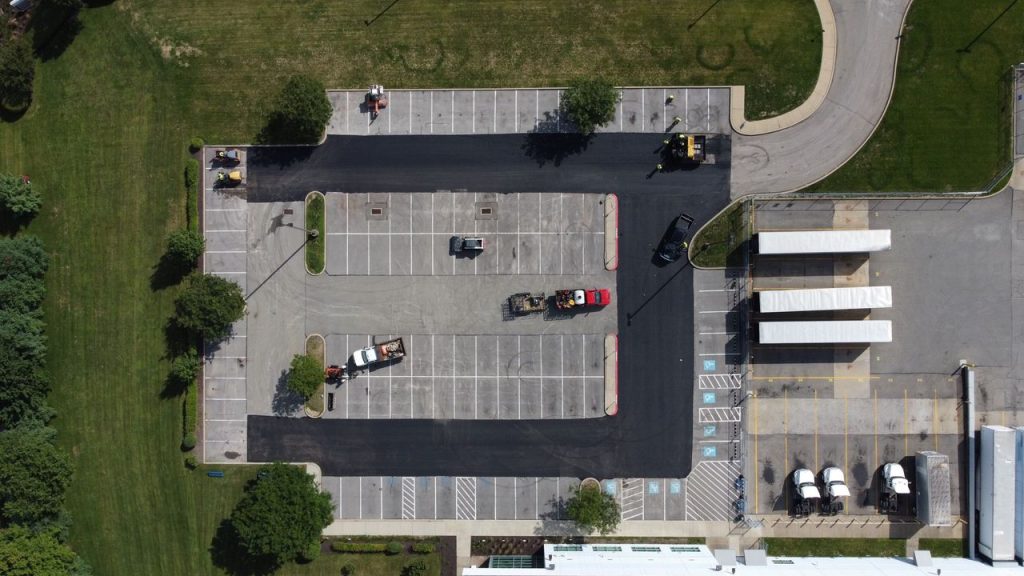
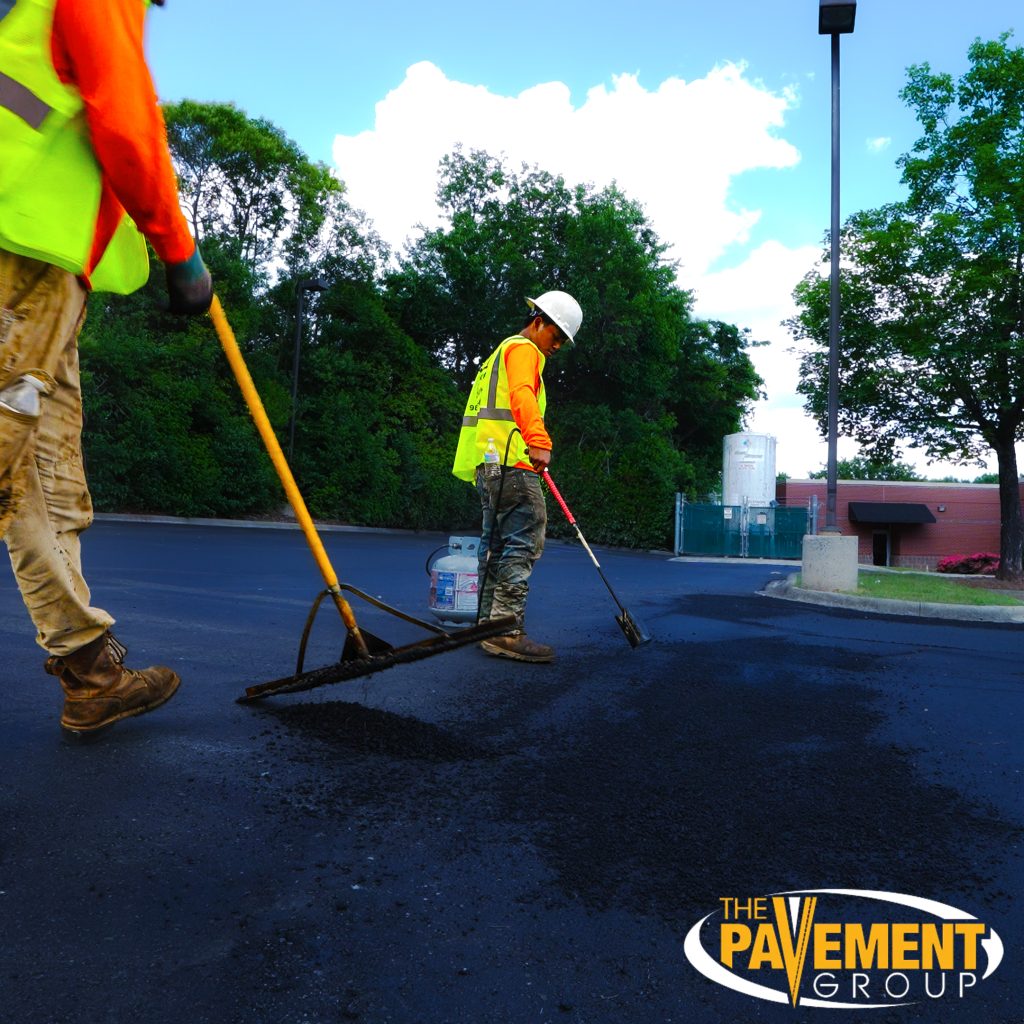
Potholes aren’t just unsightly; they’re dangerous. Our patching services restore smooth surfaces quickly and efficiently, reducing risk to patients and vehicles.
We evaluate the extent of the damage, remove compromised material, and apply durable repair solutions designed to last. Addressing surface failures early prevents them from spreading and saves you from costly, larger reconstruction projects later.
4. Parking Lot Striping and ADA Compliance Service by The Pavement Group
Clear, compliant striping is essential for medical facilities. Patients, especially those with mobility challenges, rely on accessible parking, crosswalks, and directional markings to navigate safely.
Our striping services ensure your facility meets ADA requirements while improving traffic flow and pedestrian safety. Fresh markings enhance organization, reduce confusion, and create a cleaner, more professional appearance for your property.
5. Concrete Sidewalk and Curb Repair Service by The Pavement Group
Medical facilities depend on smooth, level sidewalks and curbs for patient access. Cracked concrete, uneven surfaces, and broken curbs create serious trip hazards and accessibility barriers.
We provide concrete repair and replacement services that restore safe, compliant walkways and curbs. These repairs protect patients, reduce liability exposure, and maintain a professional, welcoming environment.
The Financial Benefits of Preventive Pavement Maintenance
One of the biggest advantages of preventive pavement maintenance for medical facilities is cost control. Reactive repairs are almost always more expensive than planned maintenance. When pavement deteriorates, the only option is full replacement, which is significantly more costly and disruptive.
Preventive maintenance spreads costs over time, allowing you to budget more accurately and avoid sudden capital expenses. A well-maintained pavement surface can last two to three times longer than one that is neglected. That translates into substantial long-term savings for your facility.
When Should Medical Facilities Schedule Maintenance?
Preventive pavement maintenance works best when it’s scheduled proactively rather than reactively. Ideally, medical facilities should have their pavement inspected annually and maintain a multi-year maintenance plan.
Key times to schedule maintenance include:
- Before and after extreme weather seasons
- When cracks first appear
- When striping begins to fade
- When minor surface wear becomes noticeable
Early action allows repairs to be performed quickly, affordably, and with minimal disruption to daily operations.
Why Partner with The Pavement Group
As a group of paving contractors, we know that healthcare properties require a different level of service. At The Pavement Group, we understand the operational demands of medical facilities and schedule work to minimize disruption to patients and staff.
We provide:
- Detailed assessments
- Transparent recommendations
- High-quality materials and workmanship
- Long-term maintenance planning
Our goal is not just to fix pavement problems, but to help your facility avoid them in the first place through smart, strategic maintenance.
Schedule Your Pavement Evaluation Now!
If you manage or operate a medical facility, now is the time to invest in preventive pavement maintenance. Waiting until your pavement fails costs more, disrupts operations, and increases liability risks.
Contact The Pavement Group today to schedule a professional pavement evaluation and maintenance plan. Let us help you protect your property, your patients, and your budget with reliable, long-term pavement solutions.
Frequently Asked Questions
1. How can medical facilities minimize disruptions during pavement maintenance?
Medical facilities can minimize disruptions by scheduling maintenance during off-peak hours or in phases. This allows patient care, staff access, and emergency services to continue without interruption. Clear communication and proper signage also help guide traffic safely during work. With good planning, pavement maintenance can be completed smoothly and efficiently without impacting daily operation.
2. Why is preventive pavement maintenance important for healthcare properties?
Preventive maintenance is important because medical facilities see constant traffic and can’t afford safety risks. Small cracks and surface wear may seem minor at first, but they can quickly become hazards to patients, staff, and visitors. By addressing these issues early, facilities avoid costly repairs and reduce liability exposure. It also helps maintain a clean, professional appearance that reflects the quality of care inside the building.
3. How often should medical facilities schedule pavement maintenance?
Most medical facilities should have their pavement inspected at least once a year, with maintenance scheduled as needed. High-traffic areas, like emergency entrances and parking lots, may require more frequent attention. Regular inspections make it easier to catch problems early before they become expensive repairs. Staying ahead of pavement issues saves money and keeps operations running smoothly.
4. What are the most common pavement issues in medical facilities?
The most common problems include cracking, potholes, faded striping, uneven surfaces, and drainage issues. These develop gradually due to heavy traffic, exposure to weather, and aging materials. When left unaddressed, they can become serious safety hazards and accessibility barriers. Preventive maintenance helps stop these issues from getting worse and keeps the property safe and functional.
5. How does preventive maintenance save money over time?
Preventive maintenance saves money by addressing small issues before they turn into major repairs or full pavement replacement. Minor repairs cost far less than large reconstruction projects and cause less disruption to daily operations. It also helps reduce the risk of injury claims and insurance costs. Over time, this proactive approach leads to significant long-term savings.
6. Can preventive maintenance improve patient safety and accessibility?
Yes, well-maintained pavement directly improves safety and accessibility for patients and visitors. Smooth surfaces reduce the risk of trips and falls, especially for elderly patients and those using mobility aids. Clear striping and signage help guide people safely through parking areas and walkways. These improvements create a safer, more welcoming environment for everyone.
7. What role does sealcoating play in pavement maintenance?
ealcoating protects asphalt from water, sunlight, oil spills, and general wear and tear. It helps prevent surface cracks, slows aging, and restores the pavement’s appearance. When done regularly, sealcoating extends pavement life and reduces the need for major repairs. It’s one of the most effective ways to protect your pavement investment.
8. How does crack sealing prevent larger pavement problems?
Crack sealing stops water from seeping into the pavement, which is one of the main causes of structural damage. When moisture reaches the base layers, it weakens the pavement, leading to potholes and surface failure. Sealing cracks early prevents this chain reaction from starting. It’s a simple step that makes a big difference in pavement longevity.
9. Why is striping important for medical facility pavement maintenance?
Striping plays a major role in organizing traffic and keeping people safe. Clear markings guide drivers, pedestrians, and emergency vehicles efficiently throughout the property. In medical facilities, accurate striping is especially important for accessible parking, crosswalks, and fire lanes. Fresh striping also enhances the property’s overall appearance and professionalism.
10. What happens if medical facilities delay pavement maintenance?
Delaying maintenance allows small issues to grow into much larger and more expensive problems. Cracks can turn into potholes, and surface wear can lead to structural failure. Safety risks increase, along with the likelihood of accidents and liability claims. Over time, putting off maintenance almost always costs more than addressing issues early.