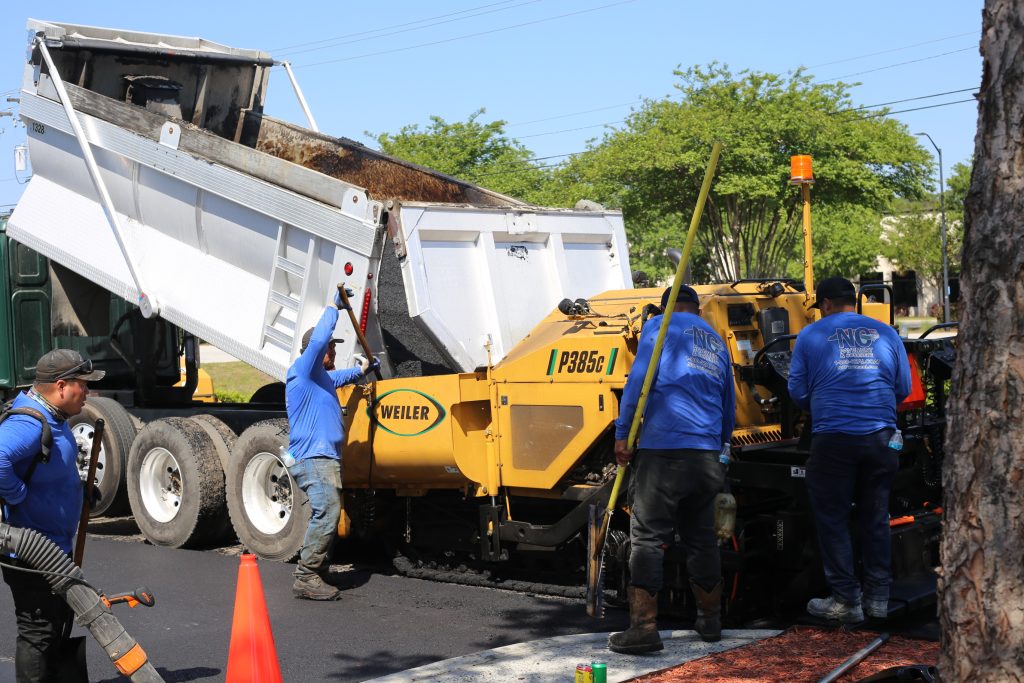
If you’ve managed an HOA for even a short time, you already know how maintenance issues tend to show up all at once. A few cracks appear, parking lines start fading, and then someone points out water pooling near the curb after a storm. It rarely happens that there’s just one issue at a time, and that’s where things get frustrating. That’s exactly why integrating drainage, striping, and pavement repairs into one HOA maintenance plan makes so much sense today.
At The Pavement Group, we’ve seen how this approach reduces stress, improves safety, and stretches maintenance budgets further than most boards expect. For example, last year, an HOA we partnered with cut its annual maintenance costs by 30 percent and avoided a costly full pavement replacement by addressing drainage and repairs together under one plan.
Why a Combined Maintenance Approach Works Better
Handling each issue separately might seem manageable at first, but over time, it creates overlap and repeated costs. Water damage leads to cracks, cracks lead to surface failure, and faded striping adds to the confusion.
When we combine these elements into one plan, we shift from reactive fixes to proactive control.
What typically happens without integration:
- Water slowly weakens pavement beneath the surface
- Small cracks expand into larger structural damage
- Striping fades faster due to uneven surfaces
- Maintenance costs increase due to repeated service visits
With a unified plan, these issues are addressed in the right order, reducing long-term damage and unnecessary spending.
Drainage as the Foundation of Pavement Health
The Pavement Group Service #1: Drainage System Design and Repair
Drainage might not always be visible, but it plays a huge role in how long pavement lasts. When water sits on the surface or seeps into cracks, it gradually breaks everything down from below.
A proper drainage strategy focuses on controlling water before it causes damage.
Key drainage solutions include:
- Evaluating slope and grading for proper water flow
- Clearing clogged drains and catch basins
- Repairing damaged drainage structures
- Redirecting water away from high-traffic areas
When drainage is addressed early, it protects the entire pavement system.
Pavement Repairs That Prevent Bigger Problems
The Pavement Group Service #2: Asphalt Repair and Restoration
Pavement issues rarely stay small. What starts as a thin crack can quickly turn into a pothole under the pressure of traffic and weather.
Addressing these problems early is one of the smartest moves an HOA can make.
Common repair services include:
- Crack sealing to prevent water intrusion
- Pothole patching for safety and stability
- Surface leveling to correct uneven areas
- Asphalt resurfacing for aging pavement
By integrating repairs into a broader plan, we ensure the surface is stable before proceeding to finishing steps such as striping.
Striping That Improves Safety and Organization
The Pavement Group Service #3: Parking Lot Striping and Markings
Striping does more than make a property look clean. It guides traffic, improves parking efficiency, and ensures compliance with safety regulations.
When striping is done after proper repairs, it lasts longer and looks sharper.
Essential striping elements include:
- Clearly defined parking spaces
- ADA-compliant markings and signage
- Fire lanes and no-parking zones
- Directional arrows for traffic flow
Fresh striping gives residents confidence that the property is well-maintained and safe to use.
How Integration Reduces Long-Term Costs
Many HOA boards worry that combining services will increase upfront expenses. In reality, the opposite often happens. For example, when drainage, repairs, and striping are planned together, HOAs typically see savings of 20 to 35 percent compared to handling each task separately.
On a mid-sized property, that can mean saving anywhere from $10,000 to $25,000 per year, depending on the scope of work. These numbers help boards clearly justify an integrated approach to residents and stakeholders.
When projects are handled separately, each one requires its own setup, labor coordination, and scheduling. That repetition adds up quickly.
Building a Practical HOA Maintenance Plan
Creating a plan doesn’t have to be complicated, but it does need to be intentional. Everything starts with understanding the property’s current condition.
A simple step-by-step approach:
- Conduct a full property inspection
- Identify drainage issues and water flow concerns
- Prioritize pavement repairs based on severity
- Schedule striping after surface improvements
- Monitor conditions regularly throughout the year
At The Pavement Group, we help HOAs structure these plans to fit both their timeline and budget, making the process far more manageable. Getting started with us is simple: we offer a free initial assessment where our team walks your property, discusses your top concerns, and provides a clear overview of your options.
After the assessment, we hold a brief consultation to help define priorities and outline a phased plan, so you know exactly what to expect. Boards can easily schedule their first assessment by calling us or filling out a short form on our website, and our team will handle the rest.
Modern Tools That Improve Maintenance Planning
Maintenance planning has evolved, and technology now plays a role in helping make smarter decisions.
Tools that support better planning include:
- Digital inspection reports for tracking changes
- Moisture detection tools for hidden damage
- Scheduling systems for preventative maintenance
- Visual documentation for HOA records
These tools help HOAs stay proactive instead of constantly reacting to new issues. Many of these technologies can be accessed through user-friendly apps or web-based platforms, and our team is happy to recommend specific products that fit each community’s needs.
At The Pavement Group, we provide guidance on setting up digital inspection reports and can assist boards in integrating these tools into their maintenance planning. If you prefer to use your own systems, we can also advise on compatible options to help you get started.
We Offer Your Integrated Maintenance Solution.
Tired of juggling multiple contractors and constant repairs? We can manage drainage, striping, and pavement repairs for HOA.
Let The Pavement Group simplify everything with one smart, integrated maintenance plan that protects your property and your budget. Contact us today, and let’s get started.
Frequently Asked Questions
1. How do we handle resident complaints during ongoing pavement maintenance projects?
We usually set expectations early before any work begins. Clear communication helps reduce frustration when access is temporarily limited. Posting schedules and updates keeps everyone informed. When residents know what’s happening and why, they’re more patient. It also helps to complete work in phases so the entire property isn’t disrupted at once.
2. What’s the best way to prioritize multiple pavement issues across a large HOA property?
We start by looking at safety risks first, not just what looks bad. Areas with heavy traffic or trip hazards move to the top. Then we consider how damage might spread if ignored. It’s not always about the biggest crack. Sometimes it’s about the one that will cause bigger problems next.
3. How can we coordinate maintenance without disrupting peak traffic times in the community?
We usually schedule work during off-peak hours when fewer residents are coming and going. Early mornings or midweek days tend to work best. Planning around community patterns makes a big difference. It’s also helpful to map out traffic flow in advance. That way, access points stay open where needed.
4. What should we do if previous repairs were done poorly or unevenly?
First, we assess what actually failed and why it didn’t hold up. Sometimes it’s poor materials, other times it’s bad timing or prep. Fixing it properly often means redoing more than expected. It’s frustrating, but necessary. A solid base matters more than quick fixes that don’t last.
5. How do we plan for unexpected weather delays during pavement work?
We always build a little flexibility into the schedule because the weather rarely cooperates perfectly. Rain and temperature changes can affect materials and timing. When delays happen, communication becomes key. Letting residents know what’s shifting keeps things calm. It’s better to pause than rush and risk poor results.
6. Can we phase a maintenance plan over time instead of doing everything at once?
Yes, and honestly, that’s often the smarter approach for larger properties. We can break the work into sections based on priority and budget. This keeps costs manageable while still making steady progress. The key is having a long-term plan in place. Without that, phasing can feel scattered.
7. How do we make sure repairs blend well with older pavement areas?
Matching older pavement takes a bit of planning and experience. We look at texture, color, and wear patterns before starting. New asphalt will always look slightly different at first. Over time, it blends more naturally. The goal is consistency in performance, not just appearance on day one.
8. What’s the smartest way to document maintenance work for future HOA boards?
We keep detailed records of what was done, when, and where. Photos help more than people expect, especially over time. Tracking repairs makes future decisions easier. It also prevents unnecessary duplication of work. Good documentation turns into a long-term asset for the community.
9. How do we decide between repair and full replacement in certain areas?
We look at the depth of the damage, not just the surface. If issues keep recurring, repairs may no longer be enough. At that point, replacement becomes more cost-effective. It’s not always the cheaper option upfront. But it often saves money in the long run.
10. What’s one overlooked factor that can impact the success of an HOA maintenance plan?
Timing is often underestimated, and it affects everything. Doing the right work at the wrong time can lead to poor results. Temperature, traffic, and even sequencing all play a role. It’s not just about what we do. It’s about when and how we do it together.