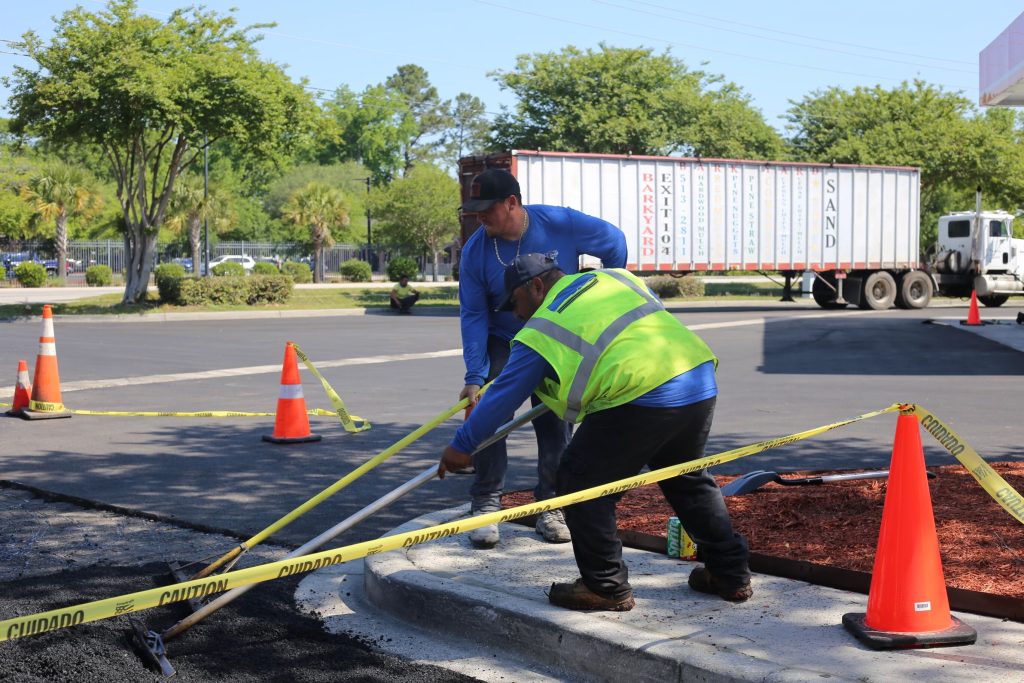
Choosing the best pavement contractor for industrial projects are one of those decisions you can’t take lightly. It’s not like picking paint colors or ordering office supplies. Industrial paving is serious work. The stakes are high, the investment is big, and the durability of your pavement can make or break daily operations. Whether you’re managing a facility, warehouse, distribution center, or industrial park, the right contractor protects your budget, your timelines, and your long-term peace of mind.
That’s why knowing how to choose the best pavement contractor for industrial projects is essential. Let’s break this down in a way that’s real, practical, and easy to follow so you can hire with confidence.
Why Choosing the Right Contractor Really Matters
Industrial pavement isn’t just everyday asphalt. It’s engineered to withstand:
- Heavy truck traffic
- Equipment load and weight
- Constant turning radius pressure
- Intense weather conditions
- Long-term wear cycles
One misstep from an inexperienced team can create weak spots, early cracking, drainage issues, and costly future repairs. A well-qualified pavement contractor prevents all that by applying proven processes and high-quality materials tailored for industrial use.
Below are the key factors to look for when selecting the right industrial paving partner. Treat this as your go-to checklist.
Check Their Industrial Experience
Not every paving contractor understands industrial-grade demands. You need a team that has completed numerous large-scale projects with measurable results.
Look for companies that can provide:
- Before-and-after project photos
- Case studies demonstrating load-bearing performance
- References from industrial clients
- Details on paving thickness and material specs
A contractor should be able to explain their methods clearly. If they struggle to break down the process in plain English, that’s a red flag.
Evaluate Their Material Quality and Techniques
Industrial surfaces require industrial-grade materials. There’s no shortcut around that. Ask contractors what specific mix design they’re using and why.
A solid contractor will be transparent about:
- Asphalt mix composition
- Binder grade
- Compaction standards
- Subbase requirements
- Cure time recommendations
The Pavement Group always uses engineered materials based on the client’s weight-load requirements. That means better performance and fewer maintenance headaches down the road.
Demand Transparent Pricing (No Guesswork Allowed)
A trustworthy pavement contractor provides a clear, written estimate with no fluff or confusing line items. Industrial budgets are tight, and surprises are not welcome.
Your estimate should always include:
- Labor breakdown
- Material cost
- Equipment usage
- Site prep requirements
- Timeline
- Warranty options
If a contractor refuses to break down costs or pushes vague numbers, keep searching.
Review Their Project Timeline and Crew Size
Industrial jobs often involve traffic plans, phased work schedules, and strict deadlines. A great contractor understands how to coordinate each detail.
Make sure they:
- Have enough crew to handle your scale
- Communicate daily progress
- Provide realistic project timeframes
- Offer solutions when weather delays occur
Large industrial properties can’t shut down for weeks. You need a contractor who respects your operational flow.
Ask About Safety Standards and Compliance
Paving crews work with heavy machinery, high temperatures, and complex logistics. That means safety isn’t negotiable.
Ask questions like:
- What certifications do your crew members have?
- Do you follow OSHA standards?
- How do you manage onsite hazards?
Contractors who take safety seriously take your project seriously.
Look at Their Long-Term Maintenance Programs
Choosing the best pavement contractor is also about choosing someone who’s around after installation. Industrial surfaces need routine maintenance to stay in peak condition.
A great contractor offers:
- Scheduled inspections
- Crack sealing
- Sealcoating
- Patching
- Milling and resurfacing
- Drainage maintenance
That’s why many industrial clients trust The Pavement Group. We handle the full lifecycle of the pavement, not just the installation.
Verify Their Credentials and Insurance
Before you sign anything, verify:
- Business licensing
- Insurance coverage
- Bonding
- Industry certifications
This protects you from liability and ensures you’re dealing with a professional, not a “weekend paving crew.”
Check Their Reviews and Reputation
A company’s reputation says more than any sales pitch. Look for reviews that mention:
- Quality of work
- Reliability
- Communication
- Timeliness
- Cleanliness
- Customer satisfaction
The Pavement Group consistently earns high ratings because we prioritize transparency, craftsmanship, and follow-through.
Final Thoughts
Hiring the right pavement contractor isn’t about picking the first name you find online. It’s about choosing a partner who understands industrial needs, delivers premium results, and communicates with integrity. When you need dependable service backed by proven expertise, The Pavement Group is the premier choice for industrial paving.
Ready to Work With a True Industrial Paving Professional?
If you’re serious about quality, durability, and long-term value, it’s time to partner with experts who get it right from the start.
Contact The Pavement Group today to schedule a consultation and get an industrial-grade pavement solution tailored to your project.
Frequently Asked Questions
1. What should I look for in a pavement contractor for industrial projects?
Look for a contractor with proven industrial experience and a track record of large-scale projects. Check their material specifications and make sure they use mixes designed for heavy loads. It’s also essential to review reviews and request references from similar clients. A reliable contractor will explain their entire process clearly so you know exactly what you’re getting.
2. Why is industrial paving different from regular commercial paving?
Industrial paving requires stronger materials and thicker asphalt layers to handle heavier loads. The design must withstand constant pressure from trucks, forklifts, and equipment. Proper drainage and substrate preparation are even more critical for industrial surfaces. That’s why the contractor’s expertise matters so much.
3. How can I tell if a contractor uses high-quality materials?
Ask the contractor to break down the asphalt mix design, binder grade, and compaction standards. High-quality contractors can explain why they use certain mixes for industrial durability. You should also request documentation showing their material suppliers and quality control measures. If they can’t provide this information, it may be a red flag.
4. What questions should I ask before hiring a pavement contractor?
Ask about their experience with industrial projects, project timelines, and safety protocols. Request a detailed written estimate and an itemized list of materials. It’s helpful to ask how they handle unexpected delays, such as weather changes. Finally, ask for references and review their past work.
5. How important is contractor insurance for industrial paving jobs?
Insurance protects you from liability if accidents occur during the project. Industrial sites have heavy machinery, so safety risks are higher. A contractor should carry both general liability and workers’ compensation coverage. Always verify their insurance documents before signing a contract.
6. How long does industrial pavement installation usually take?
The timeline depends on the size and complexity of the project. Larger industrial areas may require multiple phases to avoid disrupting traffic. Weather, material supply, and site prep can also affect the schedule. A good contractor will give you a realistic timeline upfront.
7. What maintenance does industrial pavement require?
Industrial pavement needs routine crack sealing, patching, and occasional resurfacing. Drainage systems should be inspected regularly to prevent water damage. Sealcoating is often recommended to extend pavement life. Scheduling maintenance prevents larger, costlier issues later.
8. Should industrial pavement be installed in phases?
Many industrial projects require phased installation to keep operations running smoothly. Phasing allows trucks and employees to continue accessing critical areas. Contractors may divide work into sections to control traffic flow. This approach is common in warehouses, distribution centers, and industrial parks.
9. What affects the cost of industrial paving?
Costs vary based on square footage, material type, subbase condition, and traffic demands. Additional factors include drainage requirements and accessibility for heavy equipment. Large industrial projects often cost more due to required thickness and durability. Requesting a detailed estimate helps prevent surprises.
10. How do I know if a pavement contractor is truly reliable?
A reliable contractor communicates clearly, provides transparent pricing, and demonstrates industrial expertise. They show up on time and deliver professional documentation. Their reviews and references also reflect strong customer satisfaction. Reliability becomes clear through consistency, communication, and past performance.