According to the National Asphalt Pavement Association, a properly maintained asphalt parking lot can last 20 to 30 years before it needs full reconstruction. In contrast, pavement that never receives preventive care often needs replacing in half that time or less. We see that gap play out on real properties every year, and it rarely comes down to bad luck or bad asphalt. It comes down to whether anyone stayed ahead of the small problems before they became expensive ones. This is how we think about preventive maintenance and why the way we approach a property’s pavement actually changes what you spend on it over time.
Quick answers:
- We treat preventive maintenance as a sequence, not a single service, and the order we do things in affects how much any of it ends up costing you.
- Before we recommend anything, we walk the full lot and document its actual condition, rather than assuming last year’s notes still describe this year’s pavement.
- We lead with the least expensive fix that actually solves the problem, since recommending more than a lot of needs costs you money without adding real protection.
- According to the Federal Highway Administration’s guidance on pavement asset management, catching deterioration early is what makes preventive spending outperform reactive repair over the life of a lot, and that’s the same logic behind how we schedule our own work.
- We’d rather flag a small problem early and explain exactly why it matters than let you find out about it later as part of a much larger bill.
How We Assess a Lot Before We Ever Recommend Work
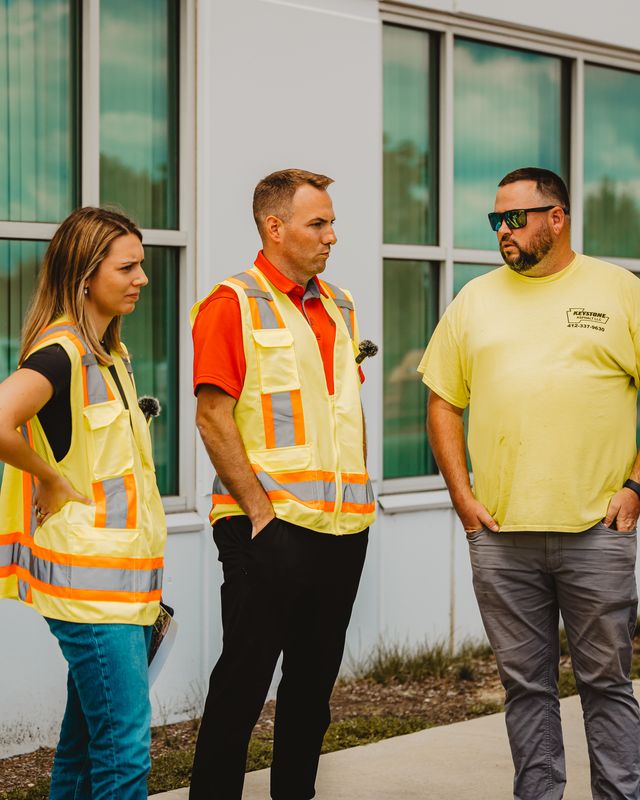
We don’t quote a project from a photo or a phone call description. We walk the property, section by section, and document what we actually find: where cracking is starting, where water is sitting longer than it should, where a patch from a few years back is holding up, and where it isn’t. That walk-through tells us whether a lot needs a simple crack seal, a patch, or something more involved, and it also lets us show you specifically what we’re looking at rather than asking you to take our word for it.
Why We Lead With the Cheapest Fix That Actually Solves the Problem
It would be easy to recommend the biggest job every time. We don’t, because a lot that only needs crack sealing doesn’t need an overlay, and recommending one anyway costs you money without adding protection you actually need. Our approach is to match the repair to what the pavement is actually telling us, which means some visits result in a modest maintenance bill. Others result in a larger conversation about patching or resurfacing, depending on what we genuinely find, not on what would be easiest to sell.
The Order We Do Things In, and Why It Matters for Your Budget
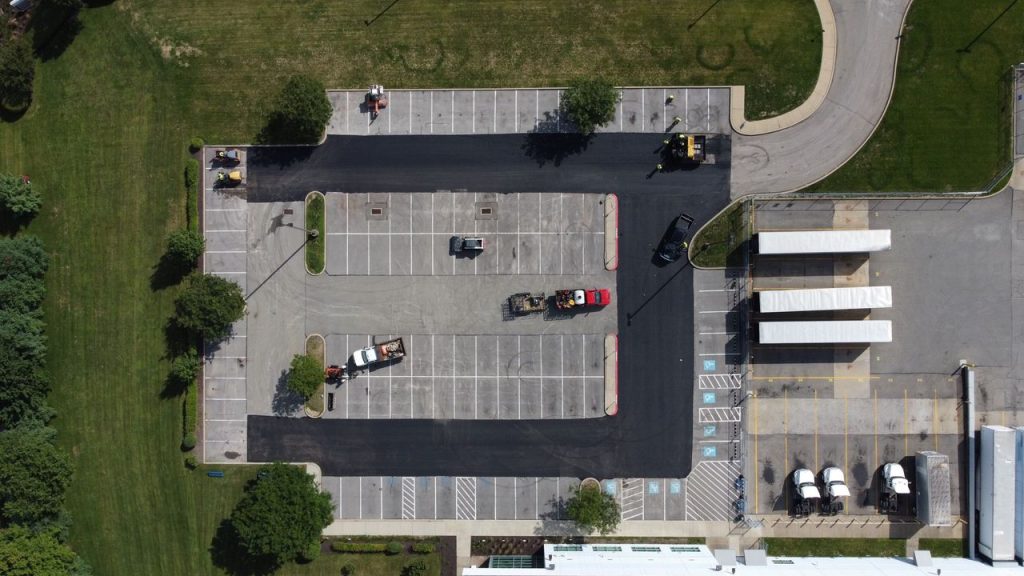
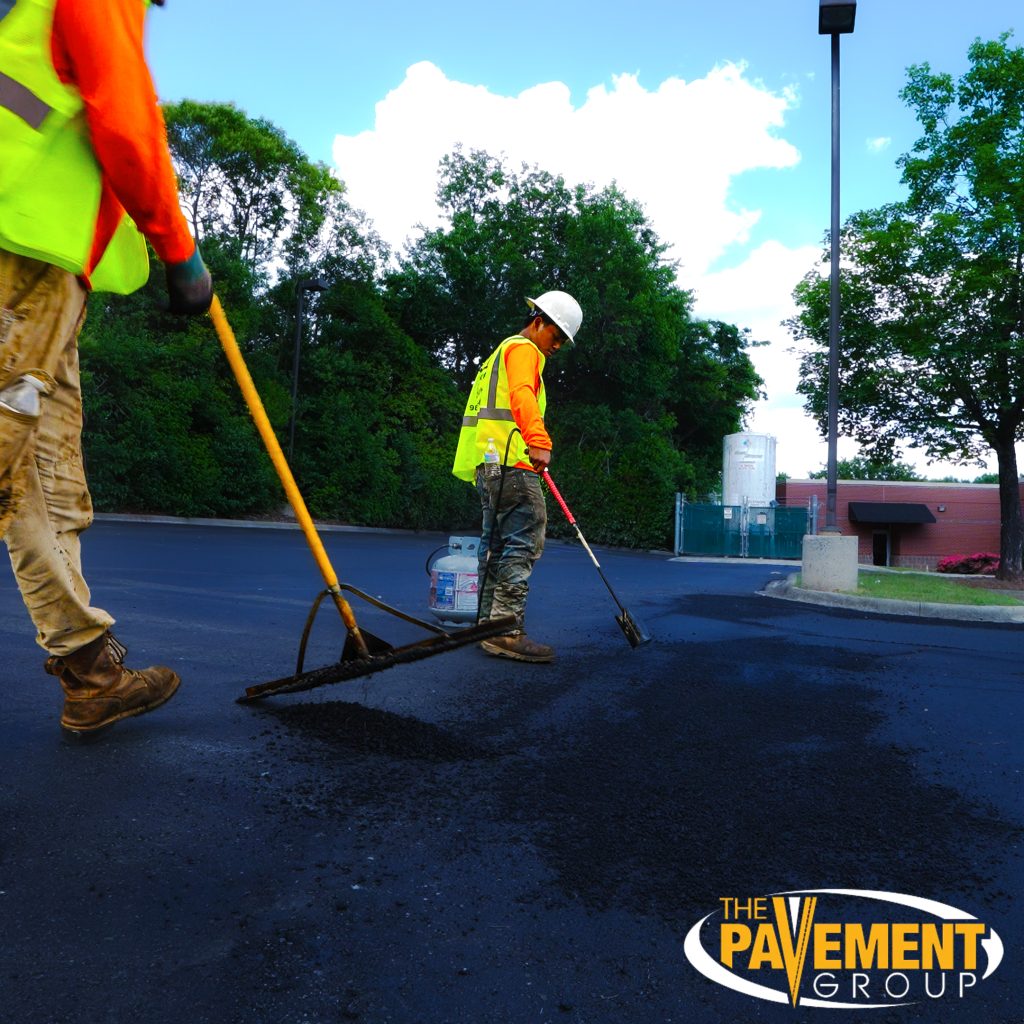
Sequence matters more than most people expect. We seal cracks before they’ve had a chance to let water into the base, because once that happens, the fix is no longer a crack seal; it’s a patch, and the cost difference between those two jobs is significant. We recommend sealcoating on a cycle that protects the surface before UV and traffic wear it down further, not after it’s already faded and lost its protective value. According to the Federal Highway Administration’s approach to pavement life-cycle cost analysis, this is exactly the logic that makes preventive spending outperform reactive repair, and it’s the same reasoning we apply to how we schedule work on your property specifically.
What We Watch For Between Scheduled Visits
A single annual visit tells you where things stood on that one day. We try to stay aware of a property’s pattern over time, not just its condition at any single snapshot, which means we pay attention to how a specific section has changed since our last visit and flag it earlier than a purely reactive approach would catch it. This is part of why we think of pavement maintenance as an ongoing relationship with a property rather than a series of disconnected service calls.
How We Talk to You About Cost Before Small Problems Become Big Ones
We’d rather have an early conversation about a developing issue than let you discover it later as a surprise line item. When we see something worth watching, even if it’s not urgent yet, we tell you what it is, why it matters, and what happens if it’s left alone, so the decision about when to act is actually yours to make with real information. That’s a different approach than showing up once a year with a single invoice and no context for why the number is what it is.
The Honest Tradeoff: Preventive Maintenance Costs Money Every Year, Reconstruction Costs More All at Once
We won’t pretend preventive maintenance is free. Crack sealing, sealcoating, and minor patching all cost something every year, and it can feel easier to skip a cycle when budgets are tight. What that comparison misses is what happens on the other side of deferral: what goes without maintenance long enough eventually needs the kind of work that costs many times more than the years of upkeep it skipped, on a timeline you don’t get to choose. We’d rather help you plan for the smaller, steady cost than have that conversation after the bigger one has already become unavoidable.
Want us to walk your property and tell you honestly where it stands? We’ll show you exactly what we find and what it would cost to address now versus later, so you’re the one deciding what happens next.
Protect Your Pavement Investment and Cut Long-Term Costs
Ignoring minor pavement cracks and surface oxidation allows water penetration, leading to sub-base failure, deep potholes, and expensive full-depth asphalt replacement. Proactive care—such as scheduled sealcoating, prompt crack filling, and routine structural assessments—extends the lifespan of your parking lot for a fraction of the cost of repaving.
The Pavement Group delivers customized, preventative maintenance plans that shield your asphalt from environmental wear and drastically lower your total cost of ownership.
- Capital Preservation: Delay major capital expenditures by extending pavement lifespan by 300% with timely surface treatments.
- Comprehensive Facility Inspections: Detailed surface and sub-base assessments designed to catch high-risk damage before it worsens.
Frequently Asked Questions
Do you charge for the initial walk-through or condition assessment?
We believe a property owner should be able to get an honest look at their pavement’s actual condition before committing to any work, so we structure our assessment process to make that first look as accessible as possible. The specific terms can vary depending on the size and scope of the property, so it’s worth asking directly when you reach out, but our goal is always to make sure cost isn’t the reason you’re going in blind about your lot’s condition. We’ll walk you through exactly what’s included before we ever start.
What happens if your team finds an additional problem during a scheduled visit that wasn’t part of the original scope?
We stop and tell you before doing any additional work, rather than expanding the job and explaining it afterward on the invoice. If we’re already on-site for a crack seal and notice a section that’s further along than expected, we’ll show you what we’re seeing, explain the options, and let you decide whether to address it now or schedule it separately. Nothing gets added to a project without that conversation happening first.
Do you offer an ongoing maintenance plan, or is every visit billed as a separate project?
We work with properties both ways, depending on what actually fits their situation, since a smaller property with straightforward needs might do fine with scheduled one-off visits, while a larger community often benefits from a standing plan that keeps preventive work on a consistent cycle without having to re-quote it every time. We’ll talk through which approach makes more sense for your specific property rather than defaulting to one model for every client.
What kind of guarantee do you offer on preventive work like crack sealing or sealcoating?
We stand behind the work we do, and we’ll walk you through the specific warranty terms that apply to your project before we start, since these can vary by the type of work and the materials involved. We’d rather be specific and upfront about what’s covered and for how long than give a vague blanket promise that doesn’t hold up to a real question later. If a warranty term matters to your decision, ask us directly, and we’ll put it in writing.
How far in advance do we need to book preventive work with your team?
It depends on the season and the type of work, since crack sealing and sealcoating both have weather-dependent windows that get busier at certain times of year. Reaching out a few months ahead of when you want the work done generally gives us the most scheduling flexibility, though we’ll always tell you honestly if a specific timeline isn’t realistic rather than overpromising and rescheduling later.
Will the same crew handle our property each time, or does that change from visit to visit?
Consistency matters to us for exactly the reason you’d expect: a crew that’s worked your property before already knows its history, its problem spots, and what’s already been tried. We aim for continuity on properties we work with regularly, since that familiarity tends to produce better, faster assessments than starting from scratch every visit. If scheduling ever requires a change, we make sure whoever comes out has the property’s history in hand, not just an address.
What’s the first thing your team looks at when you walk a property for the first time?
We start with drainage, since so many of the problems we see later, cracking, potholes, and base failure, trace back to water finding somewhere it shouldn’t be. From there, we look at how traffic actually moves through the lot, where the heaviest wear patterns are, and whether previous repairs are holding up or already showing signs of the same issue coming back. That first walk-through shapes everything about how we prioritize what comes next.
Do you work with our existing maintenance staff or handle everything independently?
Either way works for us, and it depends entirely on how your property is set up. Some properties want us to coordinate directly with their on-site maintenance team, who often know about day-to-day issues before we would on a scheduled visit. In contrast, others prefer we handle the pavement side independently and keep the property manager informed. We’ll ask how you’d like this to work rather than assuming one approach fits every property.
See also: 5 Preventive Maintenance Tips Every Apartment Property Manager Should Follow, Choosing the Right Asphalt Mix for Apartment Parking Lots
About the Author
The Pavement Group specializes in asphalt engineering, pavement maintenance solutions, and data-driven asset management for commercial, retail, and multi-family residential properties. Utilizing advanced structural pavement evaluations and capital planning transparency, The Pavement Group works directly with property managers to extend pavement lifecycles, eliminate liability risks, and optimize long-term infrastructure investments.