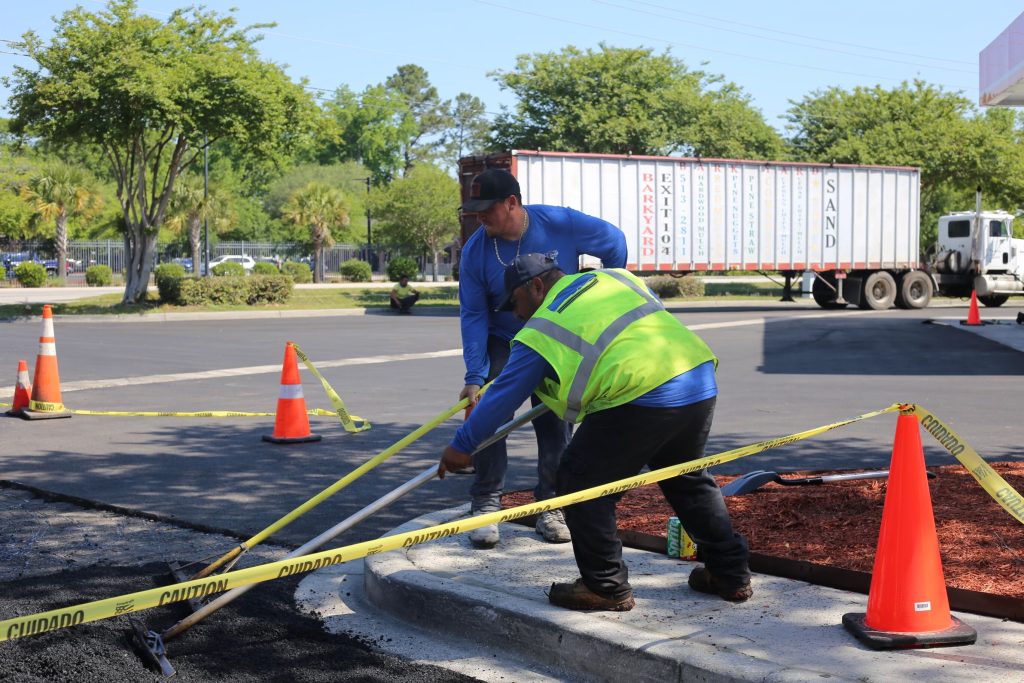
In the hospitality industry, first impressions and safety go hand in hand. Guests may remember the lobby, the room, or the service, but their experience often begins the moment their tires hit the parking lot or their shoes touch the walkway. Poor paving is not just an eyesore. It can become a serious safety hazard and a legal liability. Understanding how the hospitality industry’s paving affects customer safety and liability is essential for hotels, resorts, restaurants, and entertainment venues that want to protect their guests and their bottom line.
Well-maintained pavement supports smooth traffic flow, reduces accidents, and demonstrates care for visitors. On the other hand, cracked asphalt, faded striping, and uneven surfaces increase the risk of slips, trips, and vehicle damage. Companies like The Pavement Group work closely with hospitality businesses to address these issues before they turn into costly claims or reputation damage.
Why Paving Matters in Hospitality Settings
In hospitality, the paving beneath our feet plays a crucial role in shaping guest experiences, ensuring safety, and reflecting a commitment to quality.
First Impressions and Guest Confidence
Guests subconsciously judge safety the moment they arrive. Clean, level, clearly marked pavement communicates professionalism and attention to detail. When surfaces look neglected, guests may already feel uneasy before stepping inside.
A welcoming exterior sets expectations for the entire stay. Hospitality businesses that invest in paving show they value comfort, accessibility, and safety from the ground up.
High Foot and Vehicle Traffic
Hospitality properties experience constant movement. Cars arrive and depart at all hours, guests walk with luggage, and service vehicles operate daily. This level of traffic accelerates pavement wear.
Without proactive maintenance, surfaces deteriorate quickly. What starts as a small crack can soon become a tripping hazard or a drainage issue that worsens during rain.
How Poor Paving Creates Safety Risks
That cracked sidewalk or uneven patio isn’t just an eyesore. It’s a potential lawsuit waiting to happen, turning a guest’s relaxing getaway into a painful accident.
Slip, Trip, and Fall Accidents
Uneven pavement, potholes, and deteriorated curbs are among the leading causes of guest injuries. Slips and falls often happen in parking lots, loading zones, and walkways.
These incidents can result in fractures, sprains, and head injuries. From a legal perspective, they also represent one of the most common premises liability claims in hospitality.
Vehicle and Traffic Hazards
Poor striping and faded markings confuse drivers and pedestrians alike. Guests may not know where to park, walk, or yield. This confusion increases the likelihood of vehicle collisions or pedestrian strikes.
Proper paving design creates clear traffic flow and separation between vehicles and foot traffic. This clarity reduces accidents and improves overall guest experience.
Legal Liability and Premises Responsibility
Hospitality businesses must understand that maintaining safe paving isn’t just good customer service, it’s a legal obligation to protect guests from harm and avoid costly lawsuits.
Duty of Care for Property Owners
Hospitality businesses have a legal duty to maintain reasonably safe premises. This includes parking lots, driveways, sidewalks, and entry points. Ignoring visible pavement defects can be interpreted as negligence.
Courts often examine whether hazards were known or should have been known. Regular inspections and maintenance play a key role in limiting liability.
How Claims Impact Business Operations
Personal injury claims can lead to expensive settlements, higher insurance premiums, and reputational harm. Online reviews often mention safety issues, which can deter future guests.
Preventive paving maintenance costs far less than defending a lawsuit. Smart property managers view paving as risk management, not just an expense.
Accessibility and Compliance Considerations
Ensuring your paving meets accessibility standards isn’t just about following the rules, it’s about creating a welcoming and inclusive environment where every guest can move freely and safely.
ADA Compliance in Hospitality Paving
Accessible routes, ramps, and parking spaces are required under the Americans with Disabilities Act. Cracked pavement or improper slopes can make properties non-compliant.
Failure to meet accessibility standards exposes businesses to legal action and fines. Proper paving ensures that all guests can navigate the property safely and comfortably.
Drainage and Weather Resistance
Poor drainage causes water pooling, which increases slip risks and accelerates surface damage. In colder climates, standing water leads to ice formation and freeze-thaw cracking.
Quality paving accounts for weather conditions and drainage needs. This protects guests year-round and extends pavement lifespan.
Benefits of Professional Paving Services
Investing in professional paving services isn’t just about aesthetics; it’s about ensuring long-term safety, enhancing property value, and providing guests with a seamless and enjoyable experience from the ground up.
Preventive Maintenance Saves Money
Sealcoating, crack filling, and restriping extend pavement life and reduce long-term costs. These services address minor issues before they become major hazards.
Working with experienced paving professionals helps hospitality businesses create maintenance schedules that align with traffic patterns and seasonal demands.
Enhancing Brand Reputation
Guests notice when a property feels safe and well-maintained. Smooth pavement, clear signage, and accessible walkways contribute to positive reviews and repeat visits.
The Pavement Group helps hospitality businesses protect their brand by delivering paving solutions that prioritize safety, compliance, and visual appeal.
Key Paving Elements Every Hospitality Property Needs
- Smooth, even asphalt or concrete surfaces
- Clearly marked parking and pedestrian zones
- ADA compliant ramps and parking spaces
- Proper lighting around paved areas
- Effective drainage systems
Choosing the Right Paving Partner
Selecting a paving contractor with hospitality experience matters. Hospitality environments require work that minimizes guest disruption while maintaining high safety standards.
A trusted paving partner understands local regulations, traffic demands, and long-term maintenance planning. This partnership reduces risk and supports consistent guest satisfaction.
Call the hospitality paving experts before it shouts!
Your guests notice the details, even the ones under their feet. If your pavement is cracked, confusing, or outdated, it may be quietly costing you more than repairs. Contact The Pavement Group today. A safer surface today means fewer liabilities tomorrow.
Frequently Asked Questions
1. How does paving material affect slip and fall rates in busy hospitality areas?
The choice of paving material significantly influences slip and fall rates in high-traffic hospitality areas. Materials with high slip resistance, like textured concrete or certain types of stone, reduce the likelihood of accidents, especially when wet. Conversely, smooth or polished surfaces can become hazardous, leading to more frequent slips and falls.
2. Why are parking lots a major liability risk for hotels?
Parking lots are high-traffic areas with vehicles and pedestrians sharing space. Cracks, potholes, and poor lighting increase accident risk. Many guest injuries occur before entering the building. Proper maintenance lowers liability exposure.
3. What types of paving issues lead to lawsuits?
Common issues include trip hazards, inadequate drainage, and faded striping. Courts often focus on whether hazards were visible and unaddressed. Neglected pavement signals negligence. Routine inspections help prevent claims.
4. How does paving relate to ADA compliance?
ADA compliance requires smooth, accessible paths and proper slopes. Damaged pavement can block wheelchair access. Non-compliant surfaces expose businesses to legal penalties. Proper paving ensures equal access for all guests.
5. How often should hospitality pavement be inspected?
Pavement should be inspected at least twice a year. High-traffic properties may need quarterly checks. Inspections identify early signs of damage. Early repairs reduce safety risks and costs.
6. Can weather damage increase liability risks?
Yes, weather accelerates pavement deterioration. Water intrusion, heat, and freezing cause cracks and surface failure. These issues increase slip and fall risks. Weather-resistant paving reduces hazards.
7. Does good paving improve guest experience?
Yes, guests feel safer and more confident on well-maintained surfaces. Smooth walkways and clear signage reduce stress. First impressions improve. This often leads to better reviews and repeat business.
8. What is the role of striping in safety?
Striping guides both drivers and pedestrians. Clear markings reduce confusion and collisions. Faded striping increases accident risk. Regular restriping is essential for safety.
9. Are minor cracks really a safety concern?
Yes, even small cracks can cause trips or worsen quickly. What seems minor today can become hazardous tomorrow. Courts may still consider them dangerous. Early repair is critical.
10. How does paving maintenance reduce insurance costs?
Fewer accidents lead to fewer claims. Insurers consider property condition when setting premiums. Well-maintained pavement shows risk management. This can help control insurance expenses.