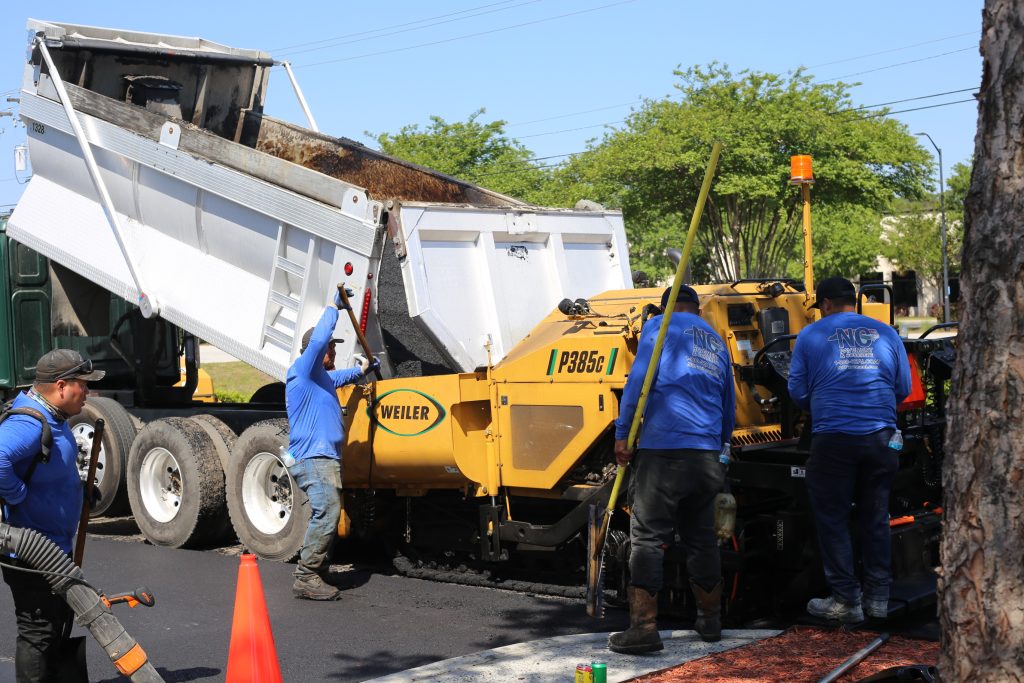
Hospitality industry paving is one of those silent influencers that shapes a guest’s experience before they even step inside. From hotels and resorts to restaurants, casinos, and event venues, the surface beneath your guests sets the tone. If it’s cracked, uneven, poorly marked, or patched together like a bad quilt, people feel it instantly even if they can’t quite explain why.
Let’s talk about why paving matters so much, what it communicates about your business, and how smart pavement decisions quietly protect your brand, your guests, and your bottom line.
First Impressions Start in the Parking Lot
You can spend millions on interior design, lighting, and customer service training. But the first physical interaction guests have with your property usually happens outside.
They park, walk, roll luggage, and push strollers.
If the pavement is full of potholes, faded striping, or uneven surfaces, the message is clear. This place cuts corners. And once that thought sneaks in, it’s hard to shake.
Hospitality industry paving is about trust before check-in.
Safety Isn’t Optional in Hospitality Spaces
In the hospitality industry, guest safety is far more than a regulatory requirement; it is the fundamental foundation of trust that allows a traveler to truly relax and feel at home.
Slip, Trip, and Fall Risks Are Real
Uneven pavement, crumbling edges, and poor drainage increase the risk of accidents. In hospitality environments, foot traffic is constant and diverse. Guests include children, seniors, people with mobility devices, and distracted travelers looking at phones or signage.
A single fall can lead to injuries, liability claims, bad reviews, and reputational damage that lasts far longer than the repair would have.
ADA Compliance Matters
Accessible routes, proper slopes, smooth transitions, and clearly marked spaces aren’t just best practices. They’re legal requirements. Hospitality industry paving must account for accessibility from the very first design phase.
Pavement Is Part of the Guest Experience
Don’t overlook your pavement. It’s a key element in shaping your guests’ overall experience and satisfaction from the moment they arrive.
Sound, Feel, and Flow
Think about how pavement feels underfoot. Rough surfaces make rolling luggage harder. Poorly planned layouts create traffic bottlenecks. Cracked walkways break the natural flow of movement.
Good paving design guides guests intuitively. They know where to walk, where to park, and how to move without confusion or frustration.
Nighttime Visibility and Comfort
Well-maintained pavement reflects lighting evenly. Fresh striping and smooth surfaces improve visibility after dark, making guests feel safer and more relaxed when arriving late or leaving early.
How Poor Paving Impacts Online Reviews
Guests may not mention “asphalt” directly, but phrases like:
- “Felt sketchy outside”
- “Hard to park”
- “Not very accessible”
- “Didn’t feel well maintained”
These comments often trace back to exterior conditions. Hospitality industry paving issues quietly influence star ratings, especially for first-time visitors.
In competitive markets, small details separate five-star stays from forgettable ones.
Hospitality Paving Is Different From Standard Commercial Paving
While commercial paving focuses on functionality, hospitality paving elevates the guest experience through specialized design and materials.
Higher Traffic, Higher Expectations
Hotels and entertainment venues experience constant vehicle turnover. Ride-shares, shuttles, delivery trucks, valet services, and guest vehicles all use the same surfaces.
Hospitality industry paving must be designed for durability and aesthetics. It needs to handle weight, movement, and weather while still looking polished.
Branding Extends Outdoors
Your exterior is part of your brand identity. Clean lines, consistent materials, and well-marked areas reinforce professionalism and attention to detail.
This is where experienced contractors like The Pavement Group bring value, blending performance with presentation.
Preventive Maintenance Saves Money Long-Term
Investing in preventive maintenance is a strategic move that pays off in significant long-term cost savings.
Small Repairs Beat Full Replacement
Sealcoating, crack filling, and routine inspections extend pavement life significantly. Waiting until surfaces fail completely is always more expensive.
Proactive hospitality industry paving maintenance avoids:
- Emergency closures
- Guest inconvenience
- Revenue loss
- Major reconstruction costs
Seasonal Planning Matters
Weather impacts pavement differently depending on region. Freeze-thaw cycles, heat expansion, and heavy rain all take a toll. Maintenance schedules should be built around local climate patterns.
Wayfinding Starts With the Ground
Striping, directional arrows, crosswalks, and loading zones guide guests without them realizing it. Poor markings create confusion, congestion, and safety hazards.
Clear pavement markings:
- Reduce staff intervention
- Improve traffic flow
- Enhance safety
- Make properties feel organized and calm
Good paving design acts like silent signage.
Sustainability and Modern Paving Solutions
Hospitality brands are increasingly judged on environmental responsibility. Modern paving materials and methods can support sustainability goals.
Options include:
- Permeable paving for stormwater control
- Light-colored surfaces to reduce heat absorption
- Long-life materials that reduce waste over time
These choices improve function while aligning with guest values.
Choosing the Right Partner for Hospitality Paving
Not all paving contractors understand hospitality environments. Timing, cleanliness, communication, and guest impact all matter.
The Pavement Group works with hospitality businesses to:
- Schedule work around peak hours
- Minimize guest disruption
- Maintain safety and access
- Deliver durable, polished results
In hospitality, how the work is done matters as much as the final surface.
Elevate the Experience Before Guests Walk Inside
Your guests form opinions before they reach the front desk. The pavement they drive on and walk across sets expectations you may not even realize you’re creating.
Partner with The Pavement Group to design, repair, and maintain surfaces that protect guests, strengthen your brand, and quietly elevate every visit from the ground up.
Frequently Asked Questions
1. What paving materials are most durable for high-traffic areas?
For high-traffic areas, concrete and asphalt are generally the most durable paving materials. Concrete offers exceptional strength and longevity, while asphalt provides flexibility and ease of repair. Consider factors like climate, budget, and aesthetic preferences when making your final decision.
2. Why does pavement matter to hotel guests?
Pavement affects first impressions and comfort. Uneven or damaged surfaces feel unsafe and unprofessional. Guests notice how easy it is to park and walk. These details influence satisfaction subconsciously.
3. How often should hospitality pavement be maintained?
Maintenance schedules vary by climate and traffic volume. Most properties benefit from annual inspections. Preventive care extends pavement lifespan. Regular upkeep reduces major repair costs.
4. What safety risks come from poor paving?
Cracks and uneven surfaces increase trip hazards. Poor drainage leads to slipping risks. Inadequate lighting reflection reduces visibility. These conditions raise liability concerns.
5. Is paving part of ADA compliance?
Yes, accessible routes must meet slope and surface standards. Parking spaces and walkways require proper markings. Smooth transitions are essential. Compliance protects guests and property owners.
6. Can paving impact online reviews?
Yes, exterior conditions influence guest perceptions. Poor paving often shows up as negative comments. Guests associate maintenance with overall quality. First impressions matter.
7. What materials are best for hospitality paving?
Asphalt and concrete are common choices. Material selection depends on traffic and climate. Durability and appearance both matter. Professional guidance ensures proper selection.
8. How does paving affect traffic flow?
Striping and layout guide vehicles and pedestrians. Clear markings reduce confusion and congestion. Good flow improves safety. Guests move confidently without frustration.
9. Is sustainable paving an option for hospitality venues?
Yes, many modern materials support sustainability goals. Permeable surfaces help manage water runoff. Long-lasting materials reduce waste. Sustainability improves brand image.
10. When should hospitality businesses upgrade pavement?
If cracks, fading, or drainage issues appear, it’s time. Guest complaints are another signal. Early upgrades prevent larger failures. Proactive action protects revenue and reputation.