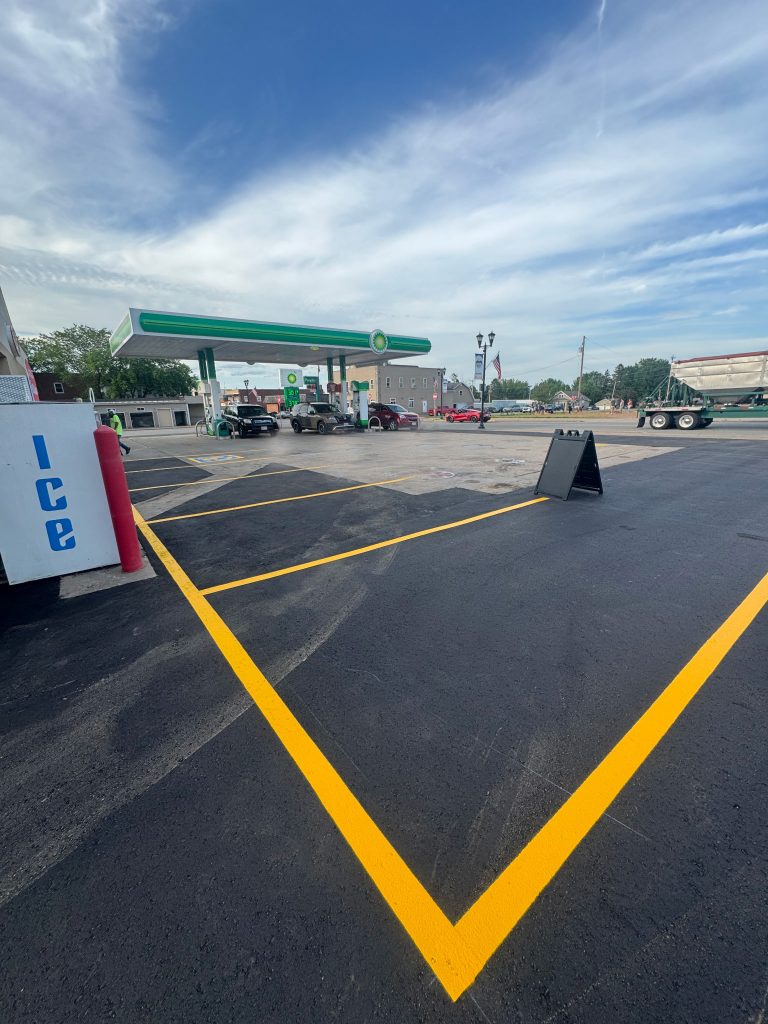
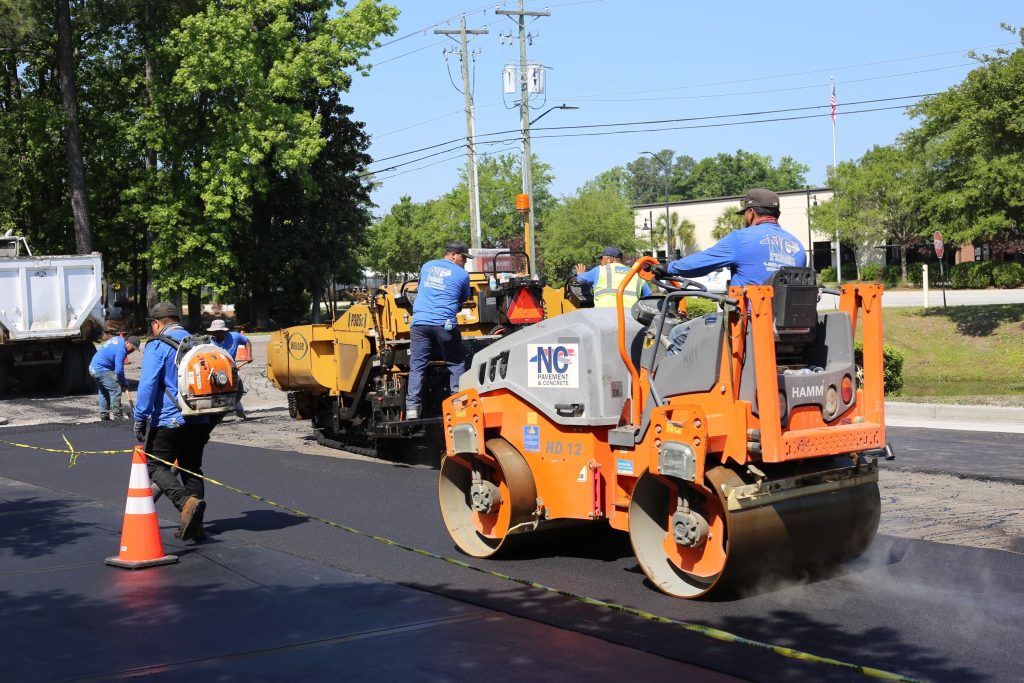
When people talk about hotel upgrades, they usually jump straight to lobby remodels, room décor, or fancy amenities. But let us tell you something most guests will never say out loud, yet always notice. The parking lot shapes their first impression long before they step inside. That’s exactly why the hospitality industry paving for hotels deserves far more attention than it usually gets. At The Pavement Group, we believe perception is everything, and pavement plays a bigger role than most hotel owners realize.
Why Paving Matters So Much in the Hospitality Industry?
Hotels are high-traffic environments. Guests, ride-shares, delivery trucks, shuttles, and service vehicles all rely on the same pavement every day. That constant use adds up fast.
Hospitality paving must balance durability, safety, and appearance. A hotel’s exterior is part of its brand experience. When the pavement looks sharp and functions smoothly, it supports guest satisfaction without saying a word.
From curb appeal to liability reduction, paving isn’t just maintenance. It’s an investment in reputation.
Parking Lots as a Guest Touchpoint
Before guests see your lobby or check-in desk, they interact with your parking lot. If it’s dark, uneven, or confusing, frustration starts early. Smooth pavement and visible striping make arrival stress-free.
Well-maintained parking areas also improve traffic flow. Clear entrances, exits, and directional markings reduce congestion and confusion. That matters more than ever with rideshare traffic constantly cycling through hotel properties.
Safety Is Non-Negotiable for Hotels
Slips, trips, and falls are some of the most common liability issues hotels face. Cracked asphalt, potholes, or faded crosswalks increase risk for guests and staff alike.
Hospitality industry paving for hotels prioritizes safety features like:
- ADA-compliant ramps and pathways
- Clearly marked pedestrian crossings
- Smooth transitions between surfaces
- Proper drainage to prevent pooling water
Safe pavement protects guests, employees, and your bottom line. It also demonstrates professionalism and care, which guests absolutely notice.
How Climate and Traffic Hotel Pavement
Hotel pavement doesn’t get a break. Weather cycles, heavy vehicles, and constant traffic all contribute to wear and tear. Hot summers soften asphalt. Cold temperatures cause expansion and cracking. Water sneaks into small flaws and makes them worse.
Hotels that delay maintenance often end up paying more later. Small cracks turn into potholes. Faded lines become safety hazards. Regular inspections and timely repairs extend pavement life significantly.
Planning Paving Projects Without Disrupting Guests
One of the biggest concerns hotel owners have is downtime. Closing parking areas or entrances feels risky when guest experience is the top priority.
The truth is, experienced hospitality paving contractors know how to phase projects. Work can be scheduled during off-peak hours or broken into sections. Clear signage and temporary traffic plans keep operations running smoothly.
This is where planning matters more than speed. A rushed job often leads to uneven results and repeat repairs.
Long-Term Value of Professional Hospitality Paving
Cutting corners on paving rarely saves money. Cheap materials and rushed installations usually mean frequent repairs and unhappy guests.
Professional hospitality paving focuses on longevity. Proper base preparation, quality asphalt or concrete, and expert grading all contribute to pavement that lasts. Over time, this reduces maintenance costs and keeps properties looking sharp.
The Pavement Group understand these demands and work with hotel operators to align paving solutions with business goals, not just quick fixes.
Sustainability and Modern Hotel Pavement Solutions
Sustainability is becoming a bigger priority across the hospitality industry. Pavement choices can support that goal.
Modern paving solutions may include recycled asphalt materials, improved drainage systems, and layouts that reduce heat retention. These options don’t just benefit the environment. They also appeal to eco-conscious travelers and corporate partners.
Forward-thinking hotels see pavement as part of a larger sustainability strategy, not just a surface to drive on.
Choosing the Right Partner for Hotel Paving
Hospitality paving is not the same as standard commercial paving. Hotels require precision, flexibility, and a strong understanding of guest flow.
A reliable paving partner will:
- Communicate clearly and proactively
- Offer realistic timelines and budgets
- Understand hospitality traffic patterns
- Deliver clean, professional results
Working with a team like The Pavement Group ensures hotel paving projects enhance the property rather than disrupt it.
Hospitality Paving Experts: Elevate Your Hotel’s Welcome!
If your hotel’s pavement is sending the wrong message, it’s time for a change. Guests may not compliment your parking lot, but they will remember if it frustrates them. Contact The Pavement Group today to create safe, polished, and guest-friendly pavement solutions designed specifically for hospitality environments. A smoother arrival starts from the ground up.
Frequently Asked Questions
1. What makes the hospitality industry paving for hotels different from other paving?
Hospitality paving must balance durability, safety, and appearance all at once. Hotels experience constant traffic from guests, staff, and service vehicles. Unlike other properties, guest perception plays a major role in success. Pavement must look inviting while handling heavy daily use. This combination makes hotel paving uniquely demanding.
2. How often should hotel parking lots be repaved?
The timeline depends on traffic volume, climate, and maintenance practices. Most hotel parking lots benefit from resurfacing every 10 to 15 years. Preventive maintenance, like sealcoating, can extend that lifespan. Regular inspections help catch issues early. Waiting too long usually leads to higher costs.
3. Why is pavement safety critical for hotels?
Hotels welcome guests of all ages and mobility levels. Uneven pavement increases the risk of trips and falls. Safety issues can quickly turn into liability concerns. Proper paving reduces accidents and protects both guests and staff. Clear markings and smooth surfaces are essential.
4. Can paving projects be done without closing a hotel?
Yes, paving can be phased to minimize disruption. Contractors often work in sections or during low-occupancy periods. Clear signage helps direct traffic safely. Planning is key to maintaining guest access. Hotels rarely need to fully shut down operations.
5. What role does striping play in hotel paving?
Striping organizes traffic flow and improves safety. Clear lines guide drivers, pedestrians, and service vehicles. ADA markings ensure compliance and accessibility. Fresh striping also enhances visual appeal. Faded or confusing lines create frustration and risk.
6. How does weather impact hotel pavement lifespan?
Heat, cold, and moisture all affect pavement durability. Temperature changes cause expansion and contraction. Water infiltration accelerates cracking and potholes. Hotels in extreme climates need durable materials. Proper drainage is especially important.
7. Are sustainable paving options available for hotels?
Yes, many paving solutions now support sustainability goals. Recycled asphalt reduces material waste. Improved drainage systems help manage stormwater. These options can lower environmental impact. Sustainability also appeals to modern travelers.
8. What areas of a hotel property need paving attention?
Parking lots, driveways, valet zones, and walkways all matter. Service roads and loading areas are often overlooked. Each zone experiences different traffic patterns. Addressing all areas ensures consistent quality. Guests notice when one area feels neglected.
9. How does pavement affect guest satisfaction?
Pavement influences first impressions and convenience. Smooth surfaces reduce frustration during arrival and departure. Safe walkways improve overall comfort. Guests may not mention pavement directly, but they feel the difference. Positive experiences start before check-in.
10. What should hotels look for in a paving contractor?
Hotels should seek experience in hospitality environments. Clear communication and detailed planning are essential. Contractors must understand guest flow and safety needs. Quality materials and workmanship matter. A strong track record makes all the difference.