In healthcare, every detail matters. A faded accessible parking symbol can trigger an ADA complaint. Poor drainage near an emergency entrance can create slip risks and OSHA concerns. These are not minor oversights. They are exposure points. As paving contractors, we see it every week. Administrators focus on patient care and internal operations, which makes sense. But exterior compliance often gets pushed down the priority list until something goes wrong. That is why we created this healthcare pavement compliance checklist. It is designed to help facility managers, compliance officers, and property owners understand what to look for before inspectors or attorneys do.
At The Pavement Group, we approach healthcare paving differently. We do not just resurface lots. We evaluate risk, code requirements, accessibility standards, and long-term durability. Below is a structured guide to help you do the same.
1. ADA Parking Space Requirements
ADA standards require a specific number of accessible parking spaces based on the total number of parking spaces. These spaces must meet width requirements, include access aisles, and display proper signage.
Key compliance points include:
- Correct van accessible dimensions
- Clearly marked access aisles
- Proper slope not exceeding 2 percent in any direction
- Visible vertical signage
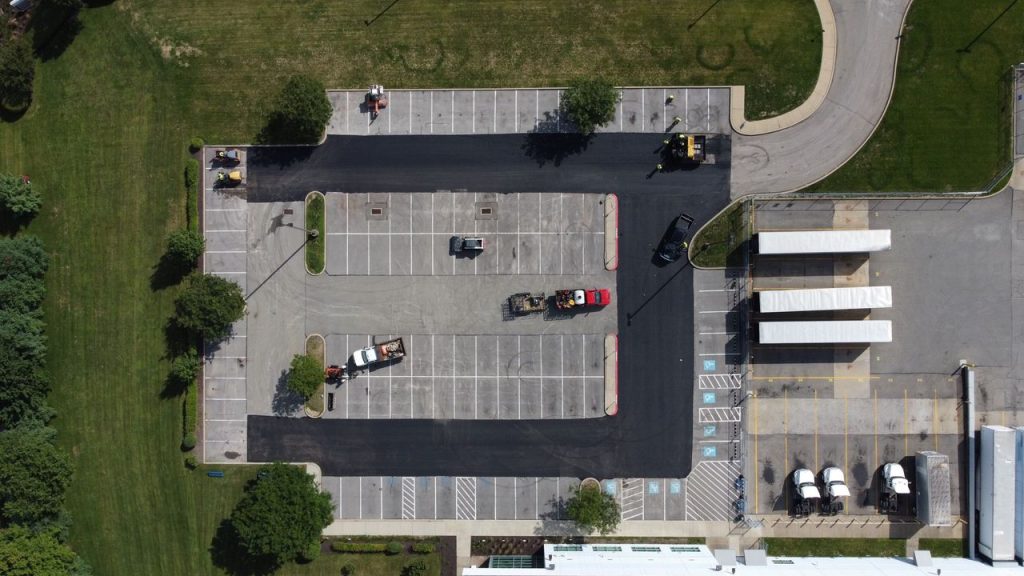
We regularly re-stripe and reconfigure medical parking lots to ensure ADA compliance. Slopes are verified with digital tools, not guesswork.
2. Accessible Routes from Parking to Entrance
An accessible space alone is not enough. There must be a continuous, unobstructed path to the entrance.
Look for:
- Cracked or uneven sidewalks
- Curb ramps with proper slope
- Detectable warning surfaces
- No abrupt level changes
If a wheelchair user cannot safely navigate from their vehicle to the door, the facility risks ADA violations.
3. Pavement Slope and Drainage Compliance
Improper slope creates both ADA and OSHA concerns. Standing water near entrances increases slip hazards. Excessive cross slope violates accessibility standards.
Healthcare pavement should:
- Drain efficiently
- Maintain ADA-compliant cross slopes
- Prevent ponding near high traffic zones
We evaluate grading patterns and recommend corrective milling or overlay solutions where necessary.
4. Trip Hazard Identification and Repair
OSHA requires employers to maintain walking-working surfaces in a safe condition. In healthcare facilities, this includes exterior pathways.
Common issues include:
- Heaved asphalt
- Settlement around utility covers
- Large cracks
- Deteriorated patchwork
Routine inspections reduce injury risk and demonstrate proactive compliance.
5. High Visibility Striping and Markings
Faded striping is more than cosmetic. It affects traffic flow and compliance with accessibility requirements.
Healthcare lots should include:
- Clearly marked fire lanes
- Directional arrows
- Pedestrian crosswalks
- ADA-compliant symbols
We recommend high-durability materials that withstand heavy medical traffic and frequent cleaning.
6. Emergency Access and Fire Lane Compliance
Emergency vehicles require unobstructed access. Local codes often dictate specific widths and turning radii.
Fire lanes must be:
- Clearly marked
- Properly signed
- Free from obstructions
Inadequate markings can delay emergency response and create liability exposure.
7. Surface Condition and Structural Integrity
Medical campuses experience constant traffic from patients, staff, and service vehicles. Structural deterioration can accelerate quickly.
Watch for:
- Alligator cracking
- Base failure
- Potholes near entrances
Preventative resurfacing extends lifespan and reduces safety concerns.
8. Lighting Coordination and Pavement Visibility
Poor lighting amplifies pavement hazards. Striping must remain visible in low-light conditions. We often coordinate paving upgrades with lighting improvements to enhance nighttime safety.
9. Snow and Ice Management Planning
In colder regions, snow removal can damage pavement and obscure markings. Healthcare facilities must prioritize clearing accessible routes. Surface durability and proper marking placement support safer winter operations.
10. Routine Compliance Audits
Compliance is not a one-time event. Surfaces deteriorate. Regulations evolve. Annual evaluations help healthcare facilities stay ahead of risk rather than reacting to complaints or citations.
Protect Your Facility Before Problems Surface
At The Pavement Group, we specialize in healthcare pavement solutions that align with ADA, OSHA, and local code requirements. From compliance audits to full-scale resurfacing, our team delivers practical solutions backed by field experience.
If your facility has not completed a recent pavement compliance review, now is the time.
Contact The Pavement Group today to schedule a healthcare pavement compliance assessment and safeguard your property with confidence.
Frequently Asked Questions
1. What ADA requirements apply to healthcare parking lots?
ADA requires accessible parking spaces based on total lot size and patient capacity. Each space must meet width and slope specifications, including van-accessible dimensions. Access aisles must remain unobstructed and clearly marked at all times. Additionally, there must be a continuously accessible path to the building entrance. Healthcare facilities face higher scrutiny because patients often have mobility challenges.
2. How does OSHA impact exterior pavement at medical facilities?
OSHA requires employers to maintain safe walking and working surfaces. This includes exterior areas where staff, patients, and contractors walk daily. Cracks, uneven pavement, and ponding water may violate safety standards. Facilities must correct hazards promptly once identified. Documented inspection routines demonstrate proactive compliance efforts.
3. What slope is allowed under ADA guidelines for parking areas?
ADA standards limit cross slope in accessible spaces to no more than 2 percent. This ensures wheelchairs remain stable and safe during transfer. Excessive slope can result in non-compliance citations. Measurement must be precise using digital tools. Visual estimation is not sufficient for compliance documentation.
4. Why are fire lane markings critical for healthcare compliance?
Fire lanes ensure emergency vehicles have immediate access to entrances. Local codes often define exact width and signage requirements. Faded or unclear markings may delay response time. In healthcare settings, seconds matter. Properly maintained fire lanes reduce risk and liability exposure.
5. How often should healthcare pavement be inspected?
Facilities should conduct monthly visual inspections and annual formal audits. High traffic areas may require more frequent review. Seasonal weather changes can accelerate deterioration. Documenting inspections helps defend against liability claims. Proactive maintenance is less costly than emergency repairs.
6. Can faded ADA markings result in legal action?
Yes, faded markings can trigger ADA complaints or federal investigations. Accessibility symbols must remain visible and compliant in size and placement. Patients rely on clear identification to access safe parking. Re-striping is often required every few years. Maintaining visibility protects both patients and facility operators.
7. What are common trip hazards in medical parking lots?
Common hazards include cracked asphalt, uneven utility covers, and deteriorated patches. Settlement near entrances is especially problematic. These issues increase the risk of falls among elderly patients. Immediate repair reduces liability exposure. Regular surface maintenance keeps walking paths safe.
8. Do local codes differ from ADA requirements?
Yes, municipalities may impose additional requirements beyond federal ADA standards. Fire lanes, drainage, and signage rules vary by jurisdiction. Healthcare facilities must comply with both federal and local codes. Consulting local building departments ensures accurate implementation. Overlooking local rules can result in fines.
9. How does drainage affect compliance?
Poor drainage leads to standing water and slippery surfaces. This creates both OSHA safety concerns and ADA accessibility issues. Proper grading ensures water flows away from entrances. Drainage improvements may require milling or regrading. Correct slope protects patients and staff.
10. Why is proactive pavement maintenance important for healthcare facilities?
Healthcare environments serve vulnerable populations daily. Proactive maintenance prevents injuries before they occur. It also demonstrates responsible facility management. Waiting for complaints increases legal and financial risk. A structured maintenance plan supports long-term compliance.