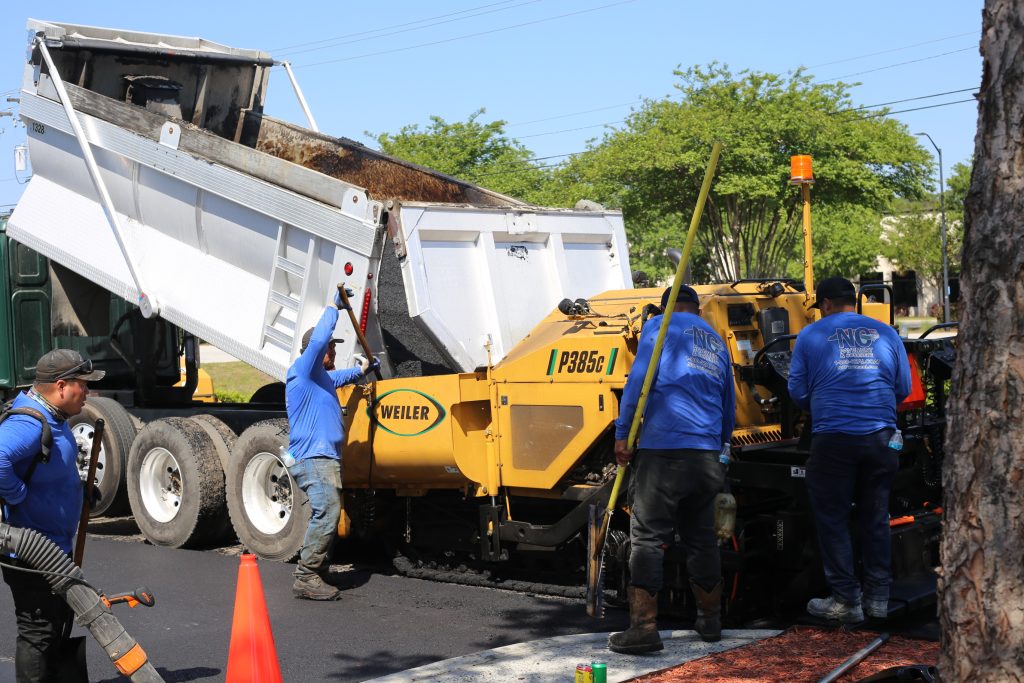
The conversation around sustainability in construction is no longer optional. Cities, businesses, and property owners are waking up to the reality that the materials used in paving and infrastructure either contribute to long-term environmental strain or provide opportunities for innovation. Asphalt has traditionally been seen as resource-heavy and environmentally taxing. Yet, with modern technology, asphalt is evolving into a greener, smarter, and more efficient solution. That’s where green asphalt solutions step in. Today, we want to break down what green asphalt actually means, why it matters for both businesses and communities, and most importantly, share a real testimonial about why a client chose The Pavement Group for their asphalt project. By the end, you’ll have a better understanding of how sustainable paving isn’t just about looking good on paper. It’s about saving costs, extending pavement life, and aligning with community values.
What Are Green Asphalt Solutions?
Green asphalt solutions are environmentally friendly approaches to paving and road construction. They include reclaimed asphalt pavement (RAP), warm mix asphalt (WMA), and porous asphalt designed to reduce stormwater runoff. Instead of relying on entirely new raw materials, green asphalt uses reclaimed aggregates, recycled materials, and energy-efficient production methods. These solutions are not just a trend—they’re a response to stricter environmental regulations and a demand from property owners who want both durability and sustainability.
Why Green Asphalt Matters for Businesses
When businesses invest in green asphalt, they are doing more than just installing pavement. They’re investing in long-term value. Green asphalt solutions typically use less energy to produce, which reduces overall costs. The material also often lasts longer because it is designed with modern traffic and climate considerations in mind. Imagine not having to redo your parking lot or private road as often. That’s both a financial and environmental win. On top of that, businesses that use eco-conscious building practices often gain recognition in their communities. A parking lot isn’t just asphalt anymore. It’s a statement about how a business operates.
A Client’s Experience With The Pavement Group
Here’s where things get personal. One of our clients, a commercial property manager in Pittsburgh, shared this after their project:
“I’ve managed multiple facilities for years, and I’ve dealt with contractors who treated asphalt like a one-size-fits-all job. The Pavement Group was different. They walked me through the benefits of green asphalt solutions and helped me understand how recycled materials could actually strengthen our lot instead of cutting corners. The installation was smooth, and the crew respected the schedule we needed to keep operations running. I can already see the difference in durability, and our tenants are noticing the improved drainage during heavy rains. Honestly, I wish I had made this decision sooner. It has saved me stress, money, and a lot of phone calls from frustrated tenants.”
That’s the power of choosing a team that understands both asphalt and sustainability.
The Benefits of Choosing Green Asphalt
1. Environmental Responsibility
Green asphalt reduces reliance on raw materials and lowers greenhouse gas emissions during production. This allows property owners to take part in reducing carbon footprints without sacrificing quality.
2. Cost Efficiency
By reusing recycled asphalt pavement and applying warm mix technology, projects often cost less than traditional paving. Less fuel, fewer raw resources, and faster installation times mean you save money.
3. Durability
Many assume recycled or green materials mean weaker performance, but it’s often the opposite. Green asphalt blends are engineered for strength, making them resistant to weather, traffic loads, and erosion.
4. Stormwater Management
Porous asphalt helps with water runoff, a major problem in local areas like Allegheny County where flooding can cause infrastructure headaches. A properly installed green asphalt surface can reduce municipal drainage fees.
5. Community Value
Green building practices are a public relations advantage. When customers or tenants see eco-conscious decisions, they associate your business with responsibility and forward thinking.
Why The Pavement Group Is a Trusted Partner
Not all contractors are created equal. Experience, transparency, and technical expertise separate The Pavement Group from the rest. Our approach includes thorough site evaluations, customized project planning, and the integration of green asphalt solutions that match your property’s needs. Local references matter too—we’ve completed projects across Pittsburgh, Philadelphia, and Cleveland, and we know the unique challenges that come with Midwestern and Northeastern climates. If you want a team that explains the “why” behind every recommendation, that’s exactly what we deliver.
The Local Advantage
Working with a local team brings benefits you won’t get from national chains. From understanding freeze-thaw cycles in Pennsylvania to managing heavy truck traffic near distribution centers in Ohio, local knowledge ensures better performance. We also source recycled materials regionally, which supports the community while cutting transport costs. When you hear “green asphalt,” think beyond the color; it’s a holistic approach where every choice impacts the final result.
Get Your Free Green Asphalt Consultation
If you’ve been thinking about upgrading your pavement, now is the time to look at green asphalt solutions. You don’t have to choose between durability, affordability, and sustainability. You can have them all. The Pavement Group is here to help you take the next step toward smarter, eco-friendly paving that stands the test of time. Call us today to schedule your free consultation and see how green asphalt can transform your property.
Frequently Asked Questions
1. What is green asphalt made of?
Green asphalt is made from recycled materials like reclaimed asphalt pavement and recycled shingles. It also uses advanced production methods that require lower energy. These ingredients make it sustainable without losing strength.
2. Does green asphalt cost more than traditional asphalt?
Green asphalt usually costs less because recycled materials replace some raw resources. The installation can also be faster, reducing labor costs. In the long run, maintenance savings make it even more affordable.
3. Is recycled asphalt as durable as new asphalt?
Yes, recycled asphalt can be just as durable, if not more, when engineered correctly. The materials are tested to ensure performance standards are met. Many highways already use high levels of recycled content successfully.
4. How does porous asphalt help with drainage?
Porous asphalt allows water to seep through the surface and into a stone recharge bed underneath. This reduces runoff that can flood streets or overwhelm sewers. It’s particularly useful in urban or flood-prone areas.
5. Can green asphalt be used in cold climates?
Yes, green asphalt is designed for varying climates. In cold areas like Pennsylvania, it resists freeze-thaw cycles that cause cracking. Warm mix asphalt also helps extend the paving season into cooler months.
6. How does green asphalt reduce environmental impact?
It lowers the need for raw aggregate mining and cuts down on fuel use during production. Recycling reduces landfill waste. The overall carbon footprint of paving projects is significantly reduced.
7. How long does green asphalt last compared to traditional asphalt?
Green asphalt can last just as long or longer, depending on the mix and installation. Proper maintenance ensures lifespan exceeds expectations. Many surfaces perform for 15 to 20 years.
8. Can I use green asphalt for commercial parking lots?
Absolutely, commercial parking lots are a great fit for green asphalt. The material is strong enough for heavy traffic. Businesses also gain the benefit of sustainable branding with their clients.
9. Is recycled asphalt safe for the environment?
Yes, recycled asphalt is safe and tested for compliance with environmental standards. Using it prevents old asphalt from ending up in landfills. It’s a responsible choice that keeps materials in circulation.
10. How can I tell if my property is suitable for green asphalt?
A site evaluation by a paving expert can determine suitability. Factors like soil type, drainage, and traffic volume are considered. Most commercial and residential properties qualify.