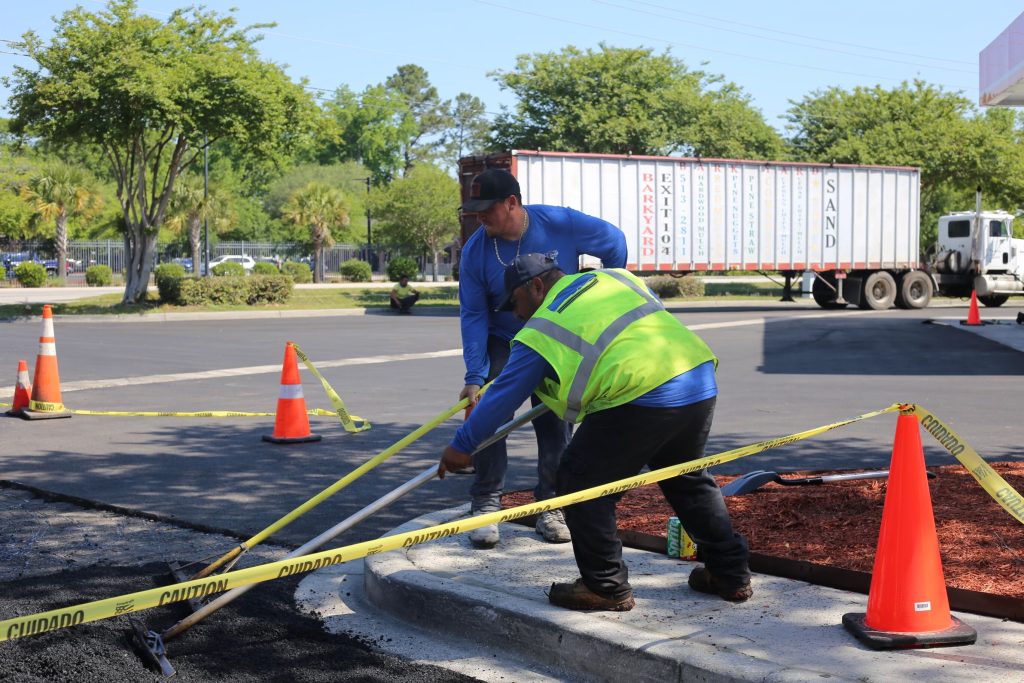
If water is pooling, surfaces are cracked, it sends the wrong message immediately. That is why drainage-smart paving solutions for hospitality industry properties are not just a technical upgrade; they are a business decision. Good drainage keeps guests safe, protects your investment, and helps your property look polished no matter the weather. Let’s break down what actually works and why it matters more than most people realize.
Why Drainage Matters More in Hospitality Than Any Other Industry
Hospitality properties face unique challenges. High foot traffic, constant vehicle movement, and strict safety expectations leave no room for error. Water that lingers on paved surfaces can create slip hazards, accelerate surface failure, and cause long-term structural issues below the pavement. In addition, standing water sends a subtle message of neglect, even when everything else looks perfect.
Hotels and restaurants also operate year-round, meaning drainage systems must handle heavy rain, sudden storms, and seasonal shifts without disrupting guest experiences. Smart paving design accounts for all of that before problems appear.
Common Drainage Problems Hospitality Properties Face
Poor Surface Sloping
Improper slope design is one of the most common issues. When pavement does not guide water toward drains, it collects in low areas. Over time, this leads to cracking, potholes, and uneven surfaces that guests notice immediately.
Clogged or Insufficient Drains
Even well-designed systems fail if drains are undersized or poorly maintained. Leaves, debris, and grease buildup can block the flow. As a result, water backs up and spreads across parking lots and walkways.
Aging Pavement Materials
Older pavement often lacks modern drainage features. As materials degrade, water infiltration increases, weakening the base layers. This causes surface failure that becomes expensive to fix if ignored.
What Makes a Paving Solution “Drainage-Smart”
Drainage-smart paving goes beyond surface appearance. It integrates grading, materials, and water management into one cohesive plan. Instead of reacting to water damage, it prevents it.
These solutions direct water away from high-traffic areas, reduce erosion, and protect the pavement structure underneath. More importantly, they extend the lifespan of the paved surface while reducing maintenance costs over time.
Smart Paving Options for Hospitality Properties
Permeable Pavement Systems
Permeable paving allows water to pass through the surface instead of pooling on top. This option works well for walkways, courtyards, and overflow parking. Additionally, it reduces runoff and supports environmentally responsible property management.
Advanced Drainage Channels
Strategically placed trench drains and catch basins help manage heavy rainfall. These systems capture water quickly and move it away from guest areas. When designed correctly, they blend into the pavement without disrupting aesthetics.
Precision Grading and Resurfacing
Sometimes the solution is not replacement but correction. Precision grading during resurfacing can fix drainage issues without full reconstruction. This approach saves money while dramatically improving performance.
How Drainage-Smart Paving Improves Guest Safety
Safety is non-negotiable in hospitality. Slips, falls, and vehicle accidents can quickly turn into liability claims. Proper drainage reduces wet surfaces, ice formation, and unexpected hazards.
Clear and dry parking areas make guests feel comfortable and confident. That sense of ease contributes directly to positive reviews and repeat visits.
Protecting Long-Term Property Value
Water damage is one of the fastest ways to destroy pavement from the inside out. Drainage-smart paving protects the foundation layers that most people never see. By keeping water where it belongs, property owners avoid premature replacements and emergency repairs.
For hospitality brands managing multiple locations, consistent drainage standards also simplify maintenance planning and budgeting. Predictability becomes a major advantage.
Sustainability and Compliance Benefits
Many municipalities now encourage or require stormwater management solutions. Drainage-smart paving helps properties meet local regulations while supporting sustainability goals. Reduced runoff means less strain on public drainage systems.
Environmentally conscious travelers also notice these efforts. Subtle infrastructure decisions can reinforce a brand’s commitment to responsible operations.
Why Experience Matters in Drainage Design
Drainage is not a one-size-fits-all solution. Each property has unique traffic patterns, soil conditions, and climate factors. Experienced paving professionals evaluate these variables before recommending a plan.
The Pavement Group specializes in drainage-smart paving solutions for hospitality industry properties by combining technical expertise with practical design. Their approach focuses on long-term performance, not quick fixes.
Final Thoughts
Drainage problems rarely announce themselves until damage is already done. That is why drainage-smart paving solutions for hospitality industry properties are best implemented proactively, not reactively. From guest safety to brand reputation, the benefits reach far beyond the pavement itself.
Let The Pavement Group Handle Your Drainage
If you want paving that works as hard as your property does, it is time to think smarter about drainage. Contact The Pavement Group today and turn water management into one less thing you ever have to worry about.
Frequently Asked Questions
1. What are drainage-smart paving solutions for hospitality industry properties?
Drainage-smart paving solutions are systems designed to manage water efficiently across paved surfaces. They combine grading, materials, and drainage structures to prevent pooling. As a result, surfaces stay safer and last longer. This approach is especially important for high-traffic hospitality environments.
2. Why is drainage more critical for hotels and resorts?
Hotels and resorts operate continuously with heavy guest traffic. Therefore, wet surfaces create higher safety risks. Additionally, poor drainage can disrupt guest experiences quickly. Smart drainage minimizes these issues before they escalate.
3. How does poor drainage affect pavement lifespan?
Water that seeps into pavement weakens its base layers. Over time, this causes cracks, potholes, and surface failure. Consequently, repairs become more frequent and costly. Proper drainage slows this deterioration significantly.
4. Are permeable pavements suitable for hospitality properties?
Yes, permeable pavements work well in many hospitality settings. They allow water to drain naturally through the surface. Therefore, runoff is reduced, and surfaces stay drier. However, proper design and maintenance are essential.
5. Can drainage-smart paving reduce liability risks?
Absolutely, because standing water increases slip and fall hazards. By directing water away, surfaces remain safer for guests. Moreover, reduced hazards mean fewer incidents. This directly lowers liability exposure.
6. How often should drainage systems be inspected?
Drainage systems should be inspected at least once a year. Additionally, inspections after major storms are recommended. This ensures drains remain clear and functional. Preventive checks avoid expensive emergency repairs.
7. Does drainage-smart paving improve curb appeal?
Yes, effective drainage prevents stains, algae growth, and surface damage. As a result, the pavement looks cleaner and more professional. First impressions improve instantly. This matters greatly in hospitality settings.
8. Are drainage upgrades disruptive to operations?
Many drainage improvements can be phased to minimize disruption. For example, work can be scheduled during low-traffic periods. Therefore, guest impact remains minimal. Planning makes a big difference.
9. How does climate affect drainage design?
Climate determines rainfall volume, intensity, and frequency. Consequently, drainage systems must be tailored to local conditions. What works in one region may fail in another. Local expertise ensures proper design.
10. Is drainage-smart paving a long-term cost saver?
Yes, because it reduces repair frequency and extends pavement life. Although upfront costs may be higher, long-term savings add up. Moreover, fewer disruptions benefit operations. In the end, it is a smart investment.