If there’s one thing guests notice before they ever step inside a hotel, resort, or restaurant, it’s the pavement. Hospitality businesses often invest heavily indoors, yet outdoor surfaces are where avoidable mistakes happen again and again. This guide breaks down the most common hospitality industry paving mistakes and, more importantly, how to avoid them. The Pavement Group addresses it with professional, long-term solutions designed specifically for hospitality properties.
Why Paving Mistakes Hit Hospitality Harder Than Other Industries
Hospitality pavement isn’t just functional; it’s part of the guest experience. Parking lots, drop-off zones, ADA paths, and valet lanes all influence safety, accessibility, and perception.
When paving goes wrong, the risks include:
- Guest injuries and liability claims
- ADA compliance violations
- Negative online reviews
- Costly emergency repairs
Avoiding these mistakes starts with understanding them.
1. Choosing the Cheapest Bid Instead of the Right Contractor
Cutting costs upfront often leads to higher expenses later. Many hospitality owners select paving contractors based solely on price, not experience or process.
Low bids frequently mean:
- Inferior materials
- Shortcuts during installation
- Little understanding of hospitality traffic patterns
How to Avoid It:
The Pavement Group specializes in commercial and hospitality paving, using proven materials and detailed project planning to ensure durability under constant guest traffic, service vehicles, and delivery loads.
2. Ignoring Drainage Planning
Standing water is more than an eyesore; it’s a structural problem waiting to happen. Poor drainage leads to potholes, surface breakdown, and slip hazards.
Common drainage mistakes include:
- Incorrect grading
- Blocked or missing drains
- Water pooling near entrances
How to Avoid It:
The Pavement Group evaluates site grading and water flow before paving begins, integrating proper drainage solutions that protect surfaces and improve guest safety.
3. Using the Wrong Paving Material for the Property
Not all asphalt or concrete is created equal. Hospitality properties experience unique stress from buses, shuttles, delivery trucks, and valet operations.
Using the wrong material leads to:
- Premature cracking
- Surface deformation
- Constant patchwork repairs
How to Avoid It:
The Pavement Group selects paving materials based on traffic load, climate conditions, and usage patterns to ensure long-term performance.
4. Overlooking ADA Compliance Requirements
ADA compliance is not optional in hospitality. Improper slopes, faded striping, and uneven surfaces expose properties to legal risk.
Common ADA-related paving mistakes:
- Incorrect ramp slopes
- Missing or worn markings
- Uneven walkways
How to Avoid It:
The Pavement Group ensures all paving projects meet current ADA standards, helping hospitality businesses stay compliant while providing safe access for all guests.
5. Delaying Repairs Until Problems Escalate
Small cracks rarely stay small. Many hospitality operators delay repairs to avoid downtime, only to face major resurfacing later.
Delays can cause:
- Structural base damage
- Increased liability exposure
- Higher long-term costs
How to Avoid It:
The Pavement Group offers proactive maintenance programs that catch issues early, extending pavement life and reducing emergency repair costs.
6. Poorly Planned Phased Construction
Hospitality properties can’t simply shut down parking lots. Poor phasing disrupts guest access, valet operations, and deliveries.
Mistakes include:
- Blocking main entrances
- Inadequate signage
- Confusing traffic flow
How to Avoid It:
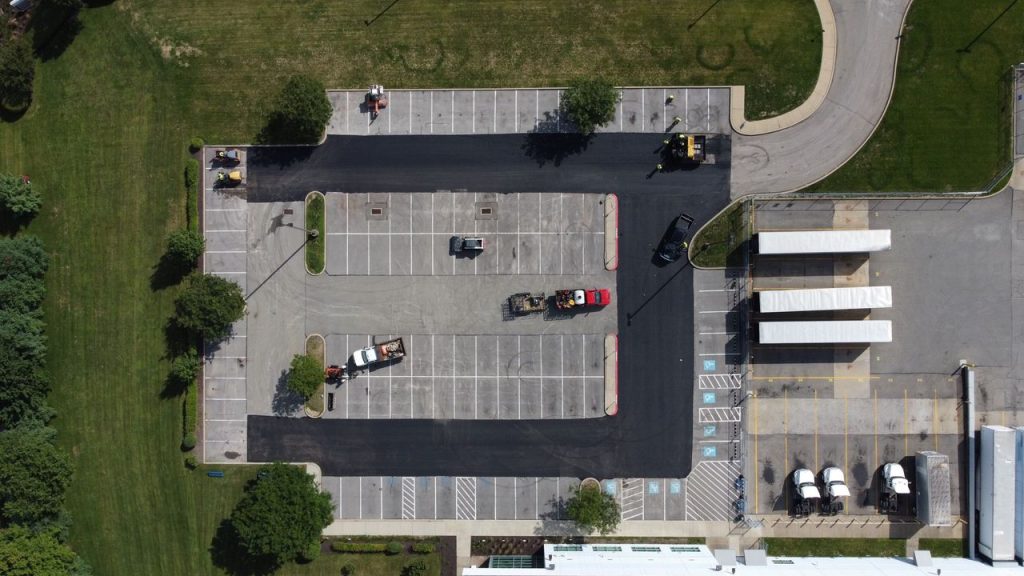
The Pavement Group plans phased paving schedules that maintain guest access and minimize disruption, even during large-scale projects.
7. Skipping Preventive Maintenance Like Sealcoating
Sealcoating isn’t cosmetic; it’s protective. Skipping it exposes asphalt to UV rays, water intrusion, and chemical spills.
Without sealcoating:
- Asphalt oxidizes faster
- Cracks spread rapidly
- Pavement lifespan shortens
How to Avoid It:
The Pavement Group provides routine sealcoating services designed to protect hospitality surfaces and keep them looking professional year-round.
8. Inconsistent Line Striping and Wayfinding
Confusing parking layouts frustrate guests before they even check in. Faded or poorly designed striping causes traffic confusion and safety hazards.
Common striping mistakes:
- Inconsistent spacing
- Faded markings
- Poor visibility at night
How to Avoid It:
The Pavement Group designs and installs clear, durable striping that improves traffic flow, safety, and overall guest experience.
9. Ignoring Climate and Seasonal Wear
Weather plays a major role in pavement longevity. Freeze-thaw cycles, heat, and heavy rain accelerate deterioration when ignored.
Mistakes include:
- No seasonal maintenance plan
- Improper material selection
- Delayed post-winter repairs
How to Avoid It:
The Pavement Group factors climate conditions into material choice and maintenance schedules, helping hospitality properties stay ahead of seasonal damage.
10. Treating Pavement as an Afterthought
Pavement often falls to the bottom of capital improvement lists. Unfortunately, guests notice it immediately.
When pavement is neglected:
- Brand perception suffers
- Safety risks increase
- Costs escalate over time
How to Avoid It:
The Pavement Group treats pavement as a core asset, aligning paving solutions with branding, safety, and long-term property value.
Why Hospitality Properties Rely on The Pavement Group
The Pavement Group understands that hospitality paving isn’t just construction; it’s guest experience management. Our team works closely with property managers, owners, and developers to deliver paving solutions that balance aesthetics, durability, and operational efficiency.
What sets US apart:
- Hospitality-focused project planning
- Minimal disruption strategies
- Transparent communication
- Long-term maintenance support
Tired of Pavement Problems? Let The Pavement Group Help You.
If your hospitality property deserves pavement that works as hard as your staff does, now is the time to act. Don’t let the common hospitality industry paving mistakes put your business at risk. Partner with The Pavement Group today to eliminate costly paving mistakes and create safe, welcoming surfaces your guests notice for the right reasons.
Frequently Asked Questions
1. What are the most common hospitality industry paving mistakes?
The most common mistakes include poor drainage, improper material selection, and delayed maintenance. These issues often lead to safety hazards and costly repairs. Hospitality properties face heavier traffic and stricter compliance requirements than many other industries. Addressing these challenges early prevents long-term damage.
2. Why is drainage so important in hospitality paving?
Drainage prevents water from weakening pavement structure and creating slip hazards. Standing water accelerates cracking and pothole formation. Hospitality properties see frequent foot traffic, making water-related hazards more dangerous. Proper grading and drainage design are essential.
3. How does poor paving affect guest experience?
Guests notice pavement issues immediately upon arrival. Cracks, potholes, and confusing layouts create frustration and safety concerns. These issues can negatively impact online reviews and brand perception. Well-maintained pavement supports a smooth guest experience.
4. Are paving mistakes a liability risk for hotels and restaurants?
Yes, uneven surfaces and poor ADA compliance increase liability exposure. Slip-and-fall incidents are common on poorly maintained pavement. Hospitality businesses are held to high safety standards. Preventive paving reduces legal risk.
5. How often should hospitality pavement be maintained?
Maintenance schedules vary by climate and usage. Most properties benefit from annual inspections and routine sealcoating every few years. Early intervention extends pavement lifespan. Consistent maintenance reduces emergency repairs.
6. What role does ADA compliance play in paving projects?
ADA compliance ensures accessibility for all guests. Improper slopes or markings can result in fines and lawsuits. Hospitality properties must meet strict accessibility guidelines. Proper planning avoids costly corrections.
7. Why do cheap paving jobs fail faster?
Low-cost paving often uses inferior materials and shortcuts. These surfaces cannot handle heavy hospitality traffic. Failures appear quickly, leading to higher long-term costs. Quality workmanship pays off over time.
8. How does climate affect hospitality paving durability?
Weather impacts pavement expansion, contraction, and moisture exposure. Freeze-thaw cycles and heat accelerate deterioration. Ignoring climate factors shortens pavement life. Proper materials and maintenance mitigate damage.
9. Can paving projects be done without disrupting guests?
Yes, with proper phasing and planning. Thoughtful scheduling maintains access and safety. Clear signage and communication minimize inconvenience. Strategic execution is key in hospitality environments.
10. When should a hospitality property consider repaving?
Repaving is recommended when repairs become frequent or structural damage appears. Extensive cracking and uneven surfaces signal deeper issues. Early evaluation prevents more expensive reconstruction. Proactive planning saves money and protects guests.