When people drive into a business property, the very first thing they encounter isn’t your front desk or your customer service staff. It’s the pavement beneath their tires. Cracks, potholes, and faded striping silently speak volumes. A rough surface says “neglected”, while a smooth, well-marked parking lot instantly communicates professionalism, safety, and care. For many local companies, keeping that first impression strong is both a necessity and an investment. Let’s learn about this case study of a recent parking lot paving.
That’s where the conversation about parking lot paving becomes more than just a maintenance decision. It’s about reputation, customer experience, and long-term savings. Today, we want to walk you through a real story about how we worked with a local business, identified their biggest challenges, and delivered results that completely changed the way their clients viewed their property.
The Business Challenge
Maplewood Furniture Outlet is a mid-sized local retailer located near a high-traffic corridor. Their parking lot was over fifteen years old and had become a patchwork of temporary fixes. Asphalt cracks had spread across several areas, water pooling was frequent after storms, and the faded striping made navigation confusing for visitors. Beyond appearance, safety was at stake. Customers tripped on uneven spots. Delivery drivers complained about the rough surface. Management realized that waiting any longer would cost more in liability and customer trust than investing in a full paving solution.
Our Approach To Parking Lot Paving
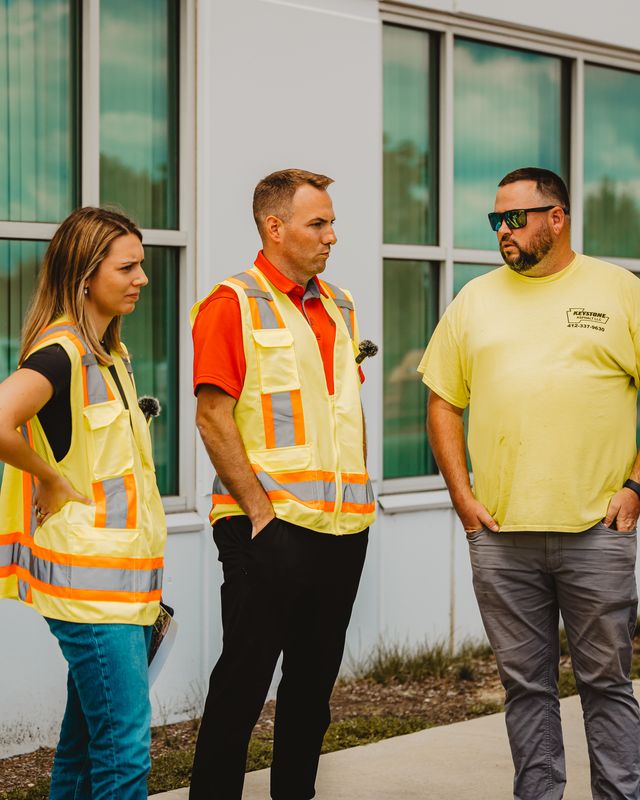
Every project starts with listening. We met with the owner and property manager to understand their priorities. They wanted durability, quick turnaround, and minimal business disruption. With that in mind, we developed a three-step plan.
Step 1: Detailed Assessment
We walked the entire lot, documented problem areas, and used advanced imaging tools to analyze the base condition of the asphalt. This allowed us to see where resurfacing would be enough and where a full replacement was necessary.
Step 2: Customized Paving Solution
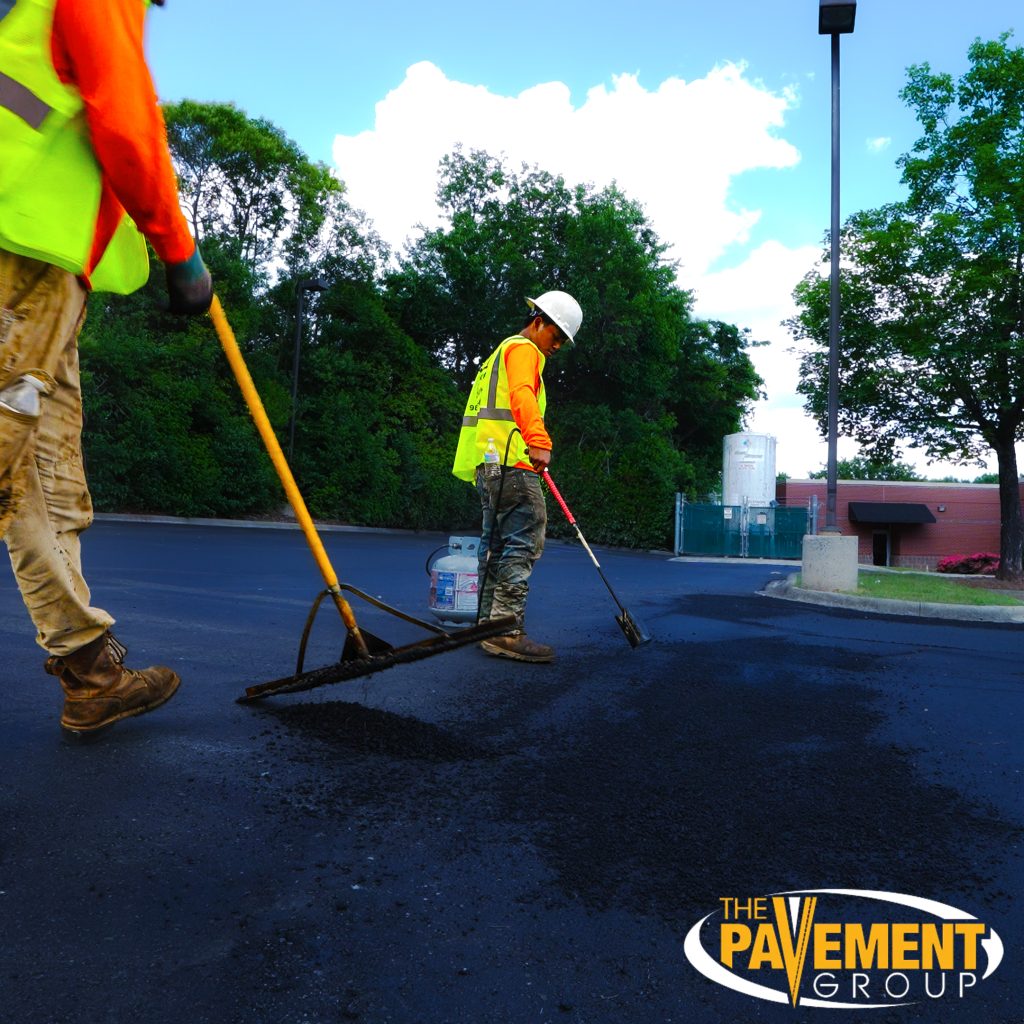
Instead of offering a cookie-cutter plan, we designed a hybrid solution. Certain sections needed milling and resurfacing, while other severely damaged zones required full-depth replacement. By combining methods, we saved the client significant costs while still guaranteeing longevity.
Step 3: Execution With Minimal Disruption
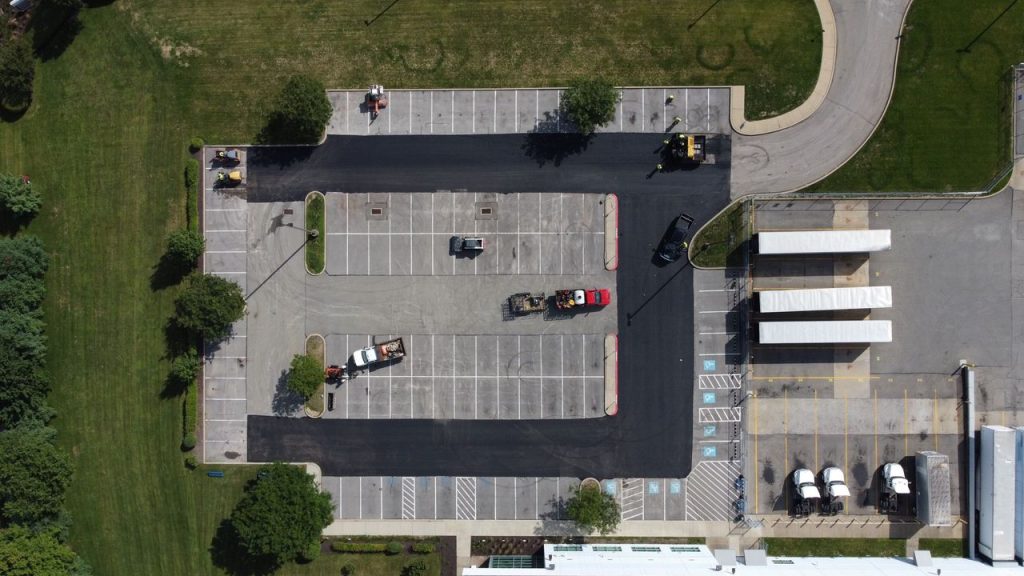
Because the business stayed open during the project, we scheduled work in phases. We blocked off sections at night, rerouted traffic flow during the day, and clearly marked temporary paths. Customers could still access the store, and sales weren’t affected.
The Results
Once completed, the transformation was undeniable. The new surface was smooth, properly graded for drainage, and striped with bright, visible markings. The owner immediately noticed customers commenting on the upgrade. Delivery drivers reported quicker in-and-out times. More importantly, the lot now met ADA compliance and local code standards.
The return on investment was clear. Instead of patching cracks year after year, Maplewood Furniture Outlet gained a long-lasting solution that will serve them for over a decade with routine maintenance.
Testimonial
“Our parking lot was a mess of cracks and potholes, and it was definitely impacting our customers’ experience at Maplewood Furniture Outlet. The Pavement Group came in and completely transformed it! They were incredibly professional, worked around our delivery schedule, and kept us updated every step of the way. Now our lot looks amazing, and our customers have a smooth and safe place to park. We’ve already seen a positive impact on our business!”
— Maplewood Furniture Outlet, Orlando, FL
Why Parking Lot Paving Matters For Local Businesses
If you own or manage a commercial property, your lot is one of your most valuable assets. Beyond aesthetics, paving impacts safety, liability, and even employee morale. No one enjoys pulling into a lot full of potholes or stepping out onto cracked pavement.
Investing in parking lot paving also saves money over time. New asphalt provides better drainage, prevents damage from freeze-thaw cycles, and reduces the need for costly emergency repairs. Businesses that wait often face complete reconstruction rather than resurfacing, which is a much more expensive undertaking.
Key Benefits Of Professional Parking Lot Paving
1. Safety and Liability Reduction
Smooth pavement reduces trip hazards and makes driving safer. This protects both customers and employees.
2. Enhanced Curb Appeal
Fresh paving and clear striping improve the overall look of your business, giving visitors confidence before they walk in.
3. Long-Term Cost Savings
A properly paved lot lasts years with routine sealcoating and crack repair, preventing the need for constant patching.
4. Compliance and Accessibility
ADA-compliant striping and ramps ensure accessibility for all customers and help you avoid costly fines
Wrapping It Up
The case of Maplewood Furniture Outlet. shows how much of a difference a well-planned parking lot paving project can make. It’s not just about asphalt. It’s about making a strong first impression, protecting customers, and building confidence in your brand. By taking the time to invest in your lot, you show that you care about every detail of your customer’s experience.
Reach Out for a Free Parking Lot Consultation Today!
If your parking lot is cracked, faded, or simply past its prime, don’t wait until it becomes a liability. Reach out to The Pavement Group today for a free consultation and detailed assessment. Let us design a solution that fits your budget and keeps your business looking its best. Call now and give your customers the smooth welcome they deserve.
Frequently Asked Questions
1. How long does parking lot paving usually take?
Parking lot paving typically takes anywhere from two days to a week depending on the size of the lot and weather conditions. Smaller parking areas can often be completed within 48 hours while larger commercial lots require phased scheduling. Planning in advance ensures minimal disruption for businesses and visitors.
2. What is the average lifespan of a newly paved parking lot?
A newly paved parking lot can last 15 to 20 years if it is properly maintained. Factors like climate, traffic volume, and routine upkeep all play a role in longevity. Sealcoating every few years helps extend the surface life significantly.
3. How much does parking lot paving cost?
The cost of parking lot paving usually ranges from $3 to $7 per square foot. Pricing depends on site conditions, materials used, and whether resurfacing or full replacement is needed. A detailed assessment provides the most accurate estimate for each property.
4. Can a business stay open during parking lot paving?
Yes, businesses can remain open during parking lot paving if the project is carefully planned. Contractors often schedule work in sections and provide clear signage for safe traffic flow. This approach allows customers and employees to access the property with minimal disruption.
5. What type of maintenance does a paved parking lot need?
A paved parking lot requires regular sweeping, crack sealing, and sealcoating to prevent damage. Staying proactive with maintenance reduces long-term repair costs. Property managers who schedule consistent care often see their lots last much longer.
6. Will parking lot paving solve drainage problems?
Parking lot paving can correct drainage issues when the surface is properly graded. Good drainage design prevents water pooling, which can damage asphalt over time. Addressing slope and base preparation during paving ensures long-term performance.
7. Do all parking lots need full replacement or is resurfacing enough?
Not all parking lots require a full replacement. If the base layer is solid, resurfacing can restore the surface at a lower cost. A professional inspection determines whether resurfacing or reconstruction is the best choice.
8. How soon can vehicles drive on a newly paved parking lot?
Light vehicles can usually return within 24 to 48 hours after paving. For heavy trucks and delivery vehicles, waiting at least 72 hours is recommended. Allowing proper curing time ensures the pavement lasts longer and resists early damage.
9. What is the best time of year for parking lot paving?
The best time for parking lot paving is during warm, dry months like late spring, summer, and early fall. Asphalt requires stable temperatures to set correctly. Cold or rainy conditions can delay schedules and reduce quality results.
10. How do I choose the right contractor for parking lot paving?
Choosing the right contractor means looking for proven experience, strong references, and transparent pricing. A reliable paving company will provide a thorough inspection and a clear plan of action. Asking for local project examples can also give you confidence in their work.