Homeowners associations across the country eventually face the same question: What actually happens during an HOA asphalt milling and paving project? Parking lots, community roads, and private streets don’t last forever. Weather, traffic, drainage issues, and time slowly break down asphalt. Eventually, patchwork repairs stop working, and the surface needs proper restoration.
At The Pavement Group, we work with community associations to make these projects organized, efficient, and transparent. A well-planned HOA asphalt milling and paving project not only improves safety and appearance but also protects the community’s long-term infrastructure investment.
If your association is preparing for a paving project, understanding the process ahead of time will help everyone involved feel more confident about the work being done.
What Is Asphalt Milling?
Asphalt milling is the process of removing the top layer of damaged pavement while preserving the underlying base. Specialized machines grind the old asphalt into small pieces, creating a textured surface ready for new paving.
This method offers several advantages for HOA communities. First, it restores pavement height without raising curbs or drainage structures. Second, it removes surface damage while keeping the stable base intact.
The removed asphalt is often recycled and reused in future pavement mixes, making milling an environmentally responsible option.
Step-by-Step: What Happens During an HOA Asphalt Milling and Paving Project
Every HOA asphalt milling and paving project follows a structured process. While the exact timeline varies depending on property size and weather conditions, most projects move through similar stages.
1. Site Inspection and Planning
The Pavement Group Service: Community Pavement Evaluation
Before any equipment arrives, contractors perform a detailed inspection of the pavement. This evaluation identifies structural issues, drainage concerns, and areas requiring additional repair.
During this phase, contractors also coordinate with HOA managers to create a clear construction schedule. Communication with residents is essential so everyone knows what to expect.
2. Resident Notification and Preparation
The Pavement Group Service: HOA Project Coordination
HOA boards typically notify residents about parking restrictions, traffic detours, and construction dates. Clear signage and communication help minimize confusion during the project.
Residents may need to temporarily move vehicles from parking areas or community roads during specific work phases.
3. Asphalt Milling Begins
The Pavement Group Service: Professional Asphalt Milling
Once the project begins, milling machines remove the damaged asphalt surface. These large machines grind and collect the old pavement while maintaining a consistent depth across the project area.
After milling is complete, crews thoroughly clean the surface to remove debris. This ensures the new asphalt layer bonds properly.
4. Surface Repairs and Base Preparation
The Pavement Group Service: Structural Pavement Repair
Before new asphalt is installed, contractors inspect the exposed base layer. If weak spots or drainage issues exist, crews repair them at this stage.
Addressing structural problems before paving helps extend the life of the new surface and prevents premature failure.
5. Asphalt Installation
The Pavement Group Service: Asphalt Paving and Installation
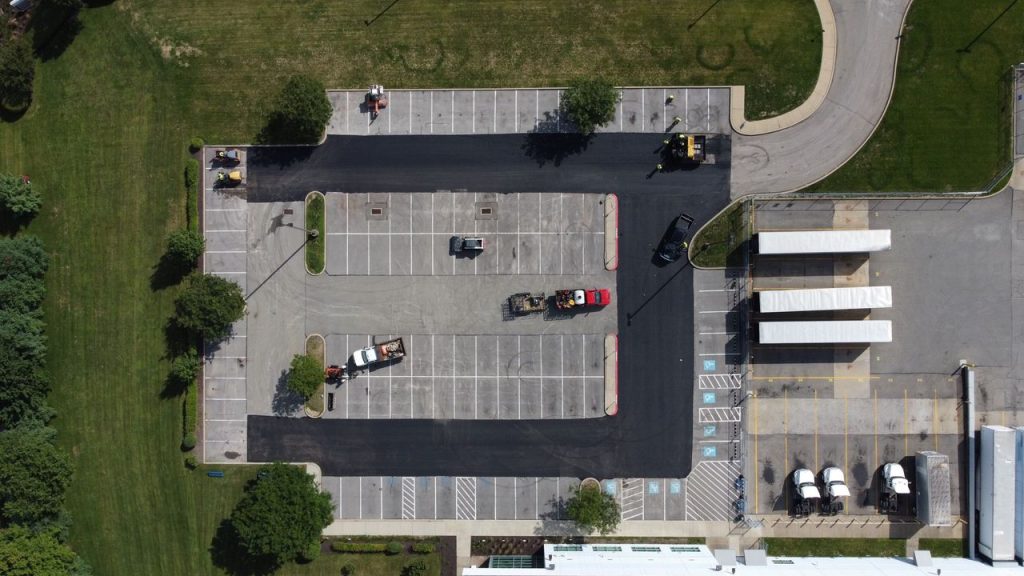
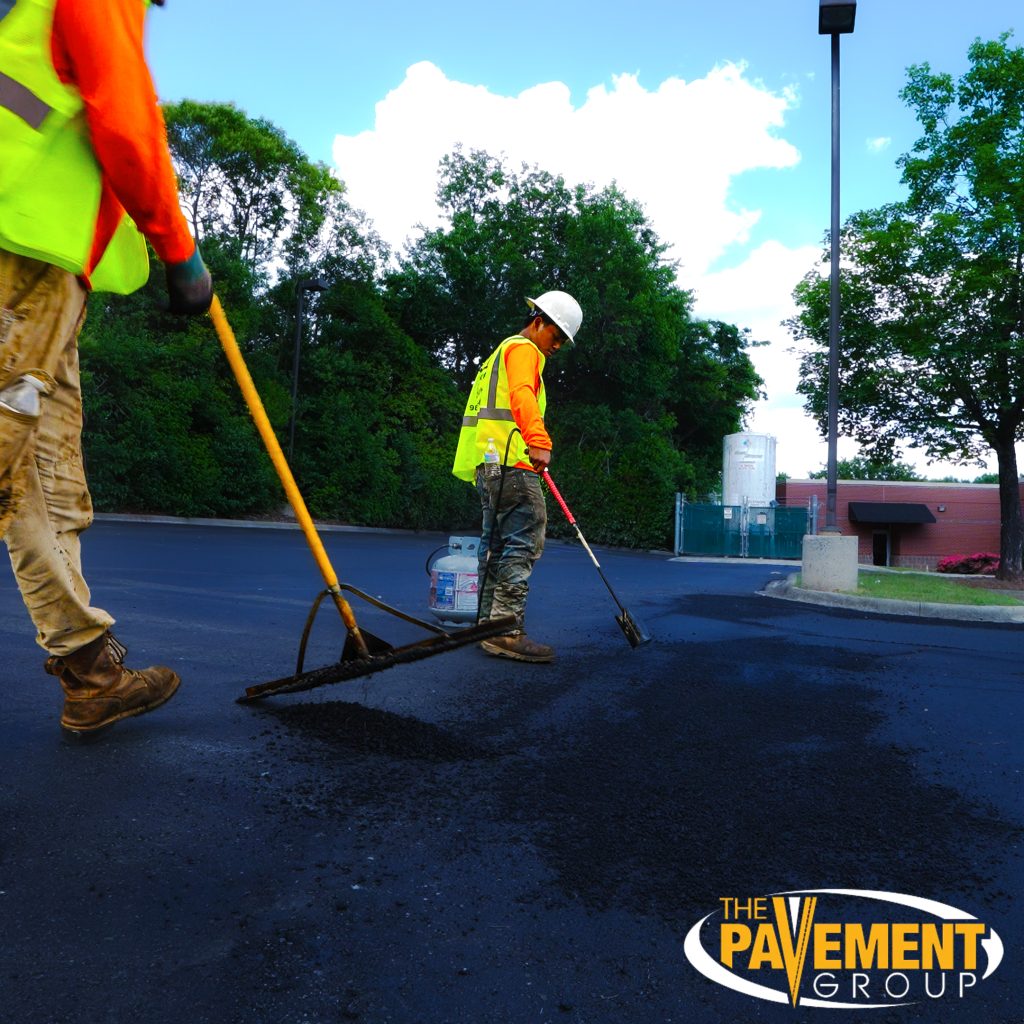
Once preparation is complete, crews install fresh hot mix asphalt across the milled surface. Paving machines spread the material evenly while rollers compact it to create a smooth and durable surface.
Proper compaction is critical. It increases pavement density and ensures long-term durability.
6. Line Striping and Finishing
The Pavement Group Service: Pavement Markings and Striping
After the asphalt cools and cures, final markings are applied. This includes parking lines, directional arrows, ADA-compliant spaces, and fire lane markings.
These finishing details restore functionality and ensure compliance with local regulations.
Typical Timeline for an HOA Asphalt Milling and Paving Project
One of the most common questions HOA boards ask is how long a project will take.
For small communities, the process may take only a few days. Larger developments with multiple roads or parking areas may require one to two weeks, depending on complexity.
Several factors affect project duration, including:
- Total square footage of pavement
- Weather conditions
- Drainage repairs required
- Traffic control planning
Clear planning and communication between contractors and HOA leadership help ensure the project stays on schedule.
Work With a Team That Understands HOA Projects
If your community is planning an HOA asphalt milling and paving project, now is the time to speak with experienced contractors who understand the process.
Contact The Pavement Group today to schedule a pavement evaluation and start planning a smoother, safer community roadway.
Frequently Asked Questions
1. How do HOAs usually plan an asphalt milling and paving project?
HOA boards typically begin by commissioning a pavement inspection to evaluate the condition of their roads and parking areas. This assessment helps determine whether milling and resurfacing are necessary or if repairs will suffice. After receiving contractor proposals, the board reviews budgets, timelines, and project scope before approving the work. Communication with residents then becomes a priority, especially regarding parking changes and construction schedules. Careful planning ensures the HOA’s asphalt milling and paving project runs smoothly.
2. How disruptive is an HOA asphalt milling and paving project for residents?
Most HOA asphalt milling and paving projects are temporary disruptions rather than long-term inconveniences. Residents may need to move vehicles or use alternate parking areas during active work hours. Contractors usually schedule work in phases to maintain access to as many areas as possible. While heavy equipment and noise are expected during milling and paving, these stages typically move quickly. Clear scheduling and proper communication help minimize inconvenience for the community.
3. What is the difference between asphalt resurfacing and full reconstruction?
Asphalt resurfacing involves removing the top layer of pavement through milling and installing new asphalt over the existing base. This method is effective when the underlying structure is still stable. Full reconstruction, on the other hand, removes both the asphalt surface and the base layers beneath it. Reconstruction is usually required when severe structural damage or drainage failure exists. For most communities, an HOA asphalt milling and paving project provides a more cost-effective solution.
4. How long does new asphalt last in an HOA community?
When properly installed and maintained, asphalt pavement can last 15 to 20 years in many residential communities. Longevity depends on factors such as traffic volume, climate conditions, and drainage performance. Regular maintenance plays an important role in extending pavement life. Sealcoating, crack sealing, and periodic inspections help protect the surface from water damage and UV exposure. HOAs that follow a maintenance plan typically see longer pavement lifespans.
5. Why do contractors mill asphalt instead of paving directly over the old surface?
Milling removes damaged asphalt and prepares the surface for a strong bond with the new layer. Without milling, the pavement height could rise, creating issues with curbs, drainage, and sidewalks. Milling also eliminates surface defects such as cracks and potholes that could otherwise reflect through the new asphalt. The process creates a textured base that improves adhesion for the new pavement layer. As a result, the finished surface tends to last longer.
6. What role does weather play in asphalt paving projects?
Weather conditions can significantly affect an HOA’s asphalt milling and paving project. Asphalt must be installed at specific temperatures to ensure proper compaction and durability. Rain or extremely cold temperatures may delay certain phases of the project. Contractors closely monitor forecasts to schedule paving during optimal conditions. Planning around weather helps protect the quality of the finished pavement.
7. How do contractors ensure proper drainage during paving?
Drainage is one of the most important factors in the long-term performance of pavement. During an HOA asphalt milling and paving project, contractors inspect slopes, gutters, and drainage channels. Adjustments may be made to improve water flow away from the pavement surface. Standing water can quickly weaken asphalt, leading to premature damage. Correct grading helps prevent water infiltration and protects the pavement structure.
8. How often should HOA communities inspect their pavement?
Most paving professionals recommend pavement inspections at least once per year. Regular inspections allow HOAs to identify minor problems before they become costly repairs. Cracks, drainage issues, and early surface wear can often be corrected quickly. Preventive maintenance strategies are usually far less expensive than major resurfacing projects. Routine inspections help HOA boards plan future maintenance budgets more effectively.
9. Can recycled asphalt be used in HOA paving projects?
Yes, recycled asphalt is commonly used in modern paving mixtures. The milling process produces reclaimed asphalt pavement, which can be reused in new asphalt blends. This recycling process helps reduce waste and lowers material costs. Many municipalities and contractors encourage recycling as part of sustainable construction practices. Using recycled materials can still produce durable and high-quality pavement surfaces.
10. What maintenance should HOAs perform after a paving project?
After an HOA asphalt milling and paving project is completed, maintenance becomes the key to preserving the surface. Sealcoating is typically recommended every few years to protect the pavement from weather damage. Crack sealing should also be performed whenever small cracks begin to appear. Routine cleaning and proper drainage maintenance help prevent premature deterioration. With consistent care, newly paved surfaces can remain durable and attractive for many years.