Hospital parking lots and drive lanes endure constant stress, often under tight safety and regulatory requirements. In hospital asphalt repair, the question is rarely whether work is needed, but what level of repair makes sense right now without disrupting care.
From years of working as a contractor on medical facilities, one thing is clear: hospitals lose more money from poorly timed pavement decisions than from pavement repairs themselves. Patching when resurfacing is needed leads to repeat failures. Replacing asphalt too early wastes capital that could have extended pavement life for years. Understanding the difference matters, not just for appearance, but for liability, access, drainage, and emergency response times.
At The Pavement Group, we offer hospital-specific asphalt solutions that balance safety, longevity, and operational continuity.
Why Hospital Asphalt Repair Is Different From Other Properties
Hospitals operate under conditions most properties never face. Pavement must support heavy emergency vehicles, constant traffic, and ADA compliance at all times. Any failure in asphalt creates immediate risks, not just inconvenience.
Key challenges unique to hospitals include:
- Continuous traffic with no true downtime
- Strict safety and accessibility requirements
- Higher liability exposure for slip, trip, and fall incidents
- Drainage issues that can affect building entrances
Because of this, hospital asphalt repair requires strategic planning rather than reactive fixes.
Understanding the Three Main Asphalt Repair Options
Every hospital pavement issue falls into one of three categories. Choosing the correct solution depends on the asphalt condition, base stability, and future usage plans.
1. Patch Repairs for Localized Damage
The Pavement Group Service: Asphalt Patching
Patching addresses specific problem areas, such as potholes, utility cuts, or isolated cracking. This approach works best when the surrounding asphalt remains structurally sound. In hospital environments, patching is often used to quickly eliminate hazards near entrances, ER drive lanes, or loading zones.
Patching is fast and cost-effective, but it is not a long-term solution for widespread deterioration. When overused, patching creates uneven surfaces that can worsen drainage and visual appearance.
2. Asphalt Resurfacing for Widespread Wear
The Pavement Group Service: Asphalt Resurfacing
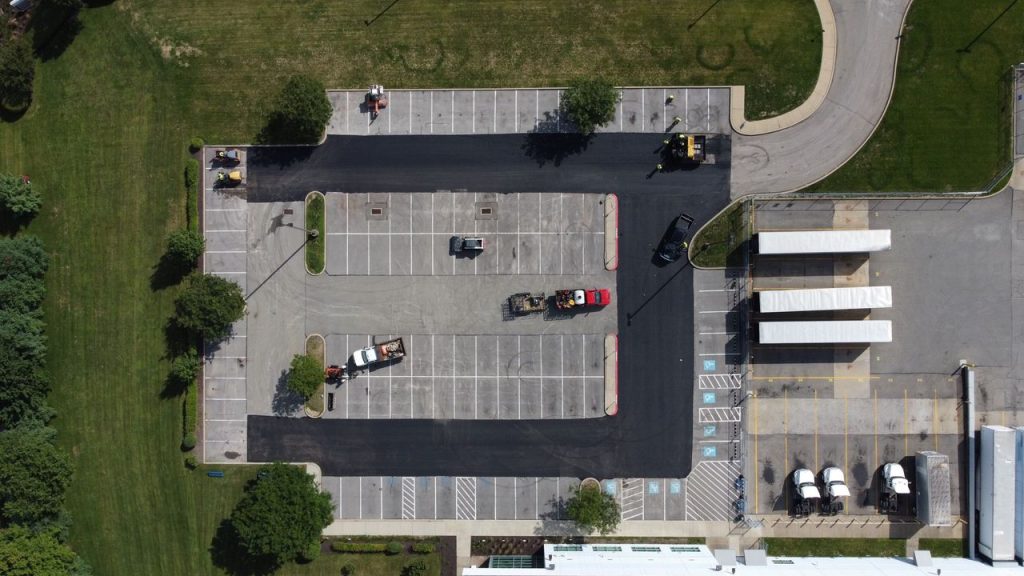
Resurfacing involves placing a new asphalt layer over the existing pavement after repairs are made. This option is ideal when asphalt shows consistent cracking, surface oxidation, or moderate rutting but the base remains stable.
For hospitals, resurfacing is often the most cost-efficient way to restore smoothness and safety without full demolition. It extends pavement life while allowing work to be phased around hospital operations. Resurfacing also improves skid resistance and drainage flow, both critical in emergency access areas.
3. Full Asphalt Replacement for Structural Failure
The Pavement Group Service: Asphalt Replacement
A replacement is necessary when the asphalt base has failed. Signs include deep alligator cracking, sinking areas, repeated potholes, and standing water that never drains. At this stage, surface repairs no longer hold.
While replacement has the highest upfront cost, it offers the longest lifespan and reduces recurring maintenance costs. Hospitals often plan replacements in stages to keep entrances and parking areas operational during construction.
How to Tell Which Option a Hospital Needs
The right decision comes down to condition, not appearance alone. A pavement that looks rough may still be structurally sound, while smooth asphalt may hide base failures underneath.
Key evaluation factors include:
- Depth and pattern of cracking
- Drainage performance after rainfall
- Frequency of past repairs
- Traffic load from emergency and service vehicles
Professional assessments help hospitals avoid short-term fixes that lead to higher long-term costs.
Risk Management and Liability Considerations
Hospital asphalt repair is directly tied to risk management. Uneven pavement increases the risk of falls for patients, visitors, and staff. Poor striping or crumbling curbs can violate ADA requirements. In emergency situations, even minor pavement defects can slow response times.
Well-maintained asphalt reduces exposure to claims and supports compliance with healthcare facility standards. That’s why many hospitals schedule pavement inspections annually rather than waiting for visible failures.
Planning Repairs Without Disrupting Patient Care
One advantage of working with The Pavement Group is experience coordinating repairs around hospital operations. Asphalt work can be phased by zone, scheduled overnight, or aligned with low-traffic periods.
Successful hospital asphalt repair planning includes:
- Clear traffic rerouting plans
- Temporary signage and striping
- Communication with facility managers
- Strict cleanup standards
The goal is simple: improve pavement without impacting care delivery.
Long-Term Cost Benefits of Correct Asphalt Decisions
Choosing the correct repair method saves money over time. Patching used strategically prevents liability. Resurfacing delays replacement by a decade or more. Replacement eliminates ongoing repair cycles.
Hospitals that follow a pavement management plan typically spend less over a 20-year period than those that react to failures as they occur.
A Smarter Way to Manage Hospital Pavement
Hospital asphalt repair is about more than fixing cracks. It’s about protecting patients, supporting staff, and managing resources wisely. Whether patching, resurfacing, or replacing, the right solution depends on accurate evaluation and experienced execution.
The Pavement Group specializes in hospital-grade asphalt services tailored to the needs of medical facilities. From emergency repairs to long-term pavement planning, the right contractor makes all the difference. If hospital pavement decisions are coming up, now is the time to take a proactive approach that keeps care moving smoothly.
Schedule Your Asphalt Consultation Today!
Investing in the right asphalt repair solution ensures long-term performance and safety for your hospital. From patching to complete replacement, we’ll help you make the best decision. Schedule a consultation today and protect your investment for years to come.
Frequently Asked Questions
1. How often should hospital asphalt be inspected?
Hospital pavement takes a beating every single day, so waiting until problems are obvious is usually too late. A yearly inspection helps catch small issues before they turn into safety concerns or expensive repairs. It also gives facility teams a clearer picture of what’s coming next. Planning ahead is always easier than reacting to failures. Regular checkups save time, stress, and money.
2. What are the biggest safety risks caused by damaged hospital asphalt?
Damaged pavement poses risks beyond appearance. Uneven surfaces make it harder for patients, visitors, and staff to move safely, especially near entrances. Ambulances and service vehicles can also be affected when pavement begins to break down. Small defects often lead to larger incidents if they’re ignored. Fixing them early keeps everyone safer.
3. Can hospitals repair asphalt in stages?
Yes, and in many cases, that’s the smartest approach. Hospitals can’t shut down traffic the way other properties might. Staged repairs keep entrances, parking, and emergency lanes open. Work can be done section by section without disrupting daily operations. It keeps the facility running smoothly while improvements are made.
4. How does drainage affect hospital pavement performance?
Drainage problems are one of the biggest enemies of asphalt. When water sits on the surface, it slowly seeps into the pavement structure. Over time, that weakens the base and speeds up cracking and potholes. Poor drainage also creates slip hazards near entrances. Fixing water flow issues protects the pavement and the people using it.
5. When is patching no longer effective?
Patching works well for isolated problems, but it has limits. When cracks spread across large areas or repairs keep failing, it’s a sign that something deeper is at work. At that point, patching becomes a short-term bandage. The pavement may look better for a while, but the problems return. That’s usually when resurfacing or replacement makes more sense.
6. How long does asphalt resurfacing last in hospital settings?
Resurfacing can add many years of service to hospital pavements if the base is solid. In most cases, facilities can expect around 10 to 15 years of service. Traffic volume and vehicle weight do play a role. Regular maintenance helps extend that lifespan even further. It’s often a very practical long-term solution.
7. What signs indicate full asphalt replacement is needed?
Certain signs are hard to ignore once they appear. Deep cracking that resembles a spiderweb usually indicates base failure. Areas that sink or collect water are another red flag. When repairs keep coming back in the same spots, replacement is often the only real fix.
8. How does hospital traffic affect asphalt lifespan?
Hospital pavement is subject to constant use and heavier vehicles than most properties. Ambulances, delivery trucks, and service vehicles all add extra stress. Frequent turning and stopping also wear down the surface faster. That level of activity shortens pavement life if it’s not properly designed and maintained. Planning for that traffic is essential.
9. Can asphalt repairs improve hospital accessibility?
Yes, and the improvement is often immediate. Smooth pavement makes a big difference for wheelchairs, walkers, and mobility carts. Clear striping and even surfaces help patients feel more confident as they get around. Entrances become safer and easier to navigate. Accessibility should always be part of the repair conversation.
10. Why is professional assessment important before choosing a repair method?
It’s easy to judge pavement by how it looks, but that doesn’t tell the whole story. Problems below the surface can completely change the best repair option. A professional assessment looks at structure, drainage, and traffic demands together. That insight helps avoid spending money on the wrong fix. Good decisions start with good information.