Professional paving for hospitality properties plays a much bigger role than most people realize. It influences how guests feel about safety, cleanliness, and quality long before they check in. A smooth, well-maintained surface communicates care, professionalism, and attention to detail. In an industry built on experience, those details matter.
This is where The Pavement Group steps in, helping hotels, resorts, restaurants, and entertainment venues create welcoming, durable surfaces that balance aesthetics and functionality. Our services are designed to help hospitality businesses make the right impression and keep it working for them day after day.
Why Pavement Sets the Tone for Guest Experience
Well-maintained pavement creates a sense of ease. Guests feel confident walking, rolling luggage, or driving through the property. That confidence translates into trust, and trust is the foundation of a positive hospitality experience. When pavement looks intentional and cared for, it signals that the business values its guests.
Safety Is Non-Negotiable in Hospitality
Safety is one of the biggest reasons professional paving for hospitality matters. Uneven surfaces, poor drainage, and faded markings increase the risk of slips, trips, and vehicle accidents. For hospitality businesses, these risks can lead to injuries, liability claims, and damaged reputations.
Proper paving addresses these concerns head-on. Smooth surfaces, correct slopes, and clear striping guide both foot and vehicle traffic safely. When pavement is professionally installed and maintained, it reduces hazards and demonstrates that guests’ well-being is a priority.
Brand Image Lives Outside the Building
Hospitality brands invest heavily in interior design, signage, and customer service training. However, exterior spaces are just as much a part of the brand story. Pavement is one of the largest visual elements guests see, yet it’s often overlooked.
A clean, well-marked parking area supports a polished brand image. Fresh asphalt, crisp striping, and clearly defined walkways create visual order. That order reinforces the idea that the business is organized, professional, and dependable. Professional paving becomes an extension of the brand itself.
Accessibility Is Part of the Experience
Hospitality properties serve people of all ages and abilities. Accessibility is not just a legal requirement; it’s a core part of guest satisfaction. Cracked pavement, poor transitions, and unclear pathways make navigation difficult for guests with mobility challenges.
Professional paving ensures proper ADA-compliant ramps, smooth transitions, and clearly marked accessible parking spaces. These features help guests feel welcome and respected. When accessibility is handled well, it quietly enhances the overall experience for everyone.
Durability Matters in High-Traffic Environments
Hotels, restaurants, and resorts experience constant traffic. Vehicles come and go, luggage rolls across surfaces, and foot traffic never really stops. Pavement in hospitality settings must be built to handle that demand.
Professional paving focuses on durability as much as appearance. Quality materials, proper base preparation, and skilled installation extend the life of asphalt and concrete surfaces. Over time, this reduces repair frequency and lowers long-term costs.
The Pavement Group Services for Hospitality Properties
1. Asphalt Paving, Repair, and Resurfacing
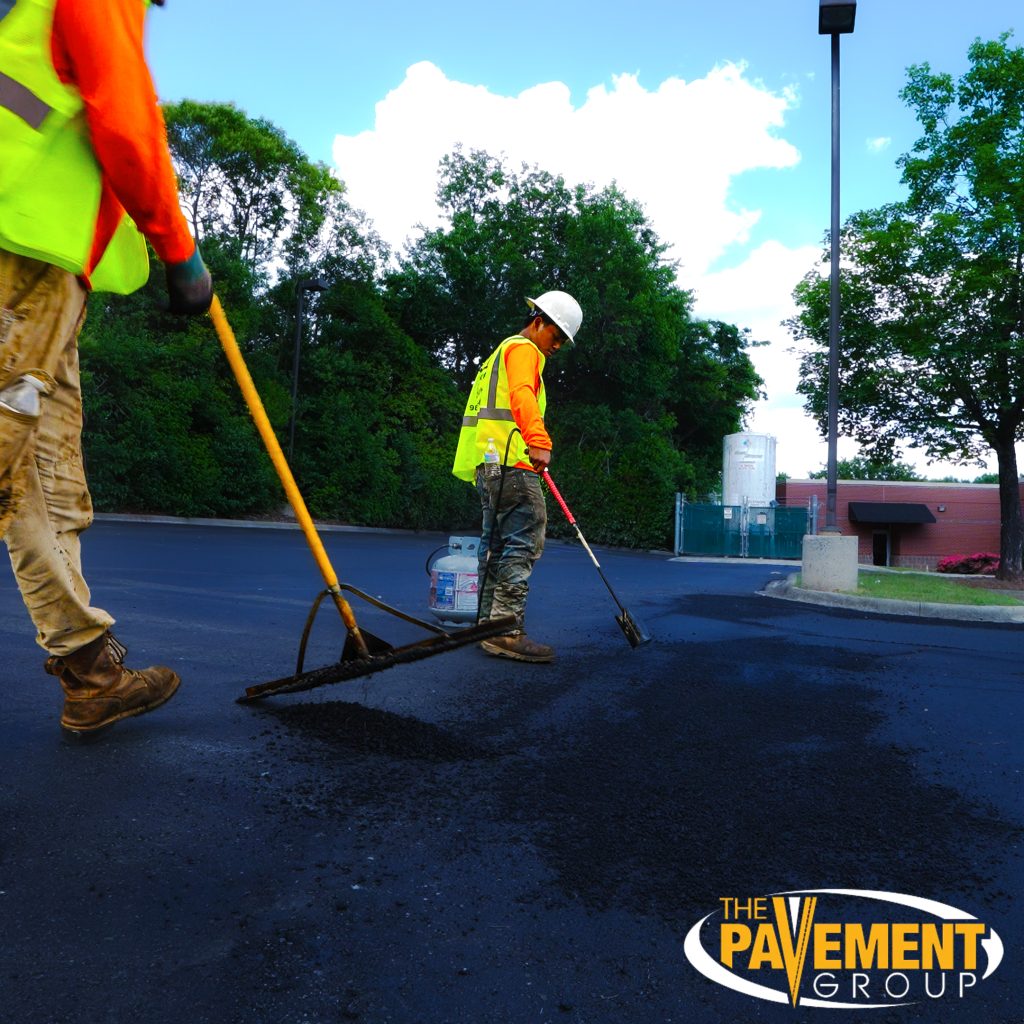
The Pavement Group provides new asphalt installations, repair, and resurfacing solutions designed for high-traffic hospitality environments.
2. Catch Basin Repair and Drainage
Invest in reliable catch basin repair and drainage to protect your landscape and infrastructure.
3. Parking Lot Striping and Markings
Clear striping improves traffic flow, safety, and compliance while reinforcing a professional appearance.
4. Sealcoating and Preventive Maintenance
Sealcoating protects asphalt from weathering and extends its lifespan while keeping surfaces clean.
5. ADA Compliance Solutions
Proper ramps, signage, and accessible parking layouts ensure compliance and improve guest accessibility.
Maintenance Is an Ongoing Investment
Paving isn’t a one-time decision. Like any part of a hospitality property, it requires ongoing care. Preventive maintenance keeps small issues from becoming costly problems.
Sealcoating, crack filling, and routine inspections help preserve pavement quality. These steps protect against weather damage, heavy traffic, and wear over time. Investing in maintenance shows guests that the property is consistently cared for, not just occasionally refreshed.
Choosing the Right Paving Partner
Hospitality paving requires experience, planning, and precision. Projects must be completed efficiently, often without disrupting guests or operations. A professional paving partner understands these challenges and plans accordingly.
The Pavement Group works with hospitality businesses to minimize downtime while delivering high-quality results. Their approach balances durability, appearance, and safety, helping properties meet both operational and branding goals.
Reflect Your Brand’s Quality: Invest in Premium Pavement Solutions.
If your exterior surfaces don’t reflect the quality of what’s inside, it may be time for a change. The Pavement Group helps hospitality businesses create welcoming, durable surfaces that support lasting impressions. A better guest experience starts from the ground up. Get a free quote from The Pavement Group!
Frequently Asked Questions
1. Why is paving so important for hospitality properties?
Paving is often the first physical interaction guests have with a hospitality property. If the surface feels unsafe or poorly maintained, it immediately affects their perception of it. Smooth, well-marked pavement creates comfort and confidence. That positive feeling carries into the rest of the guest experience. Over time, it influences reviews, repeat visits, and brand trust.
2. How does professional paving improve safety for guests?
Professional paving reduces hazards like cracks, uneven surfaces, and drainage issues. These problems can lead to trips, slips, or vehicle damage if left unaddressed. Clear striping and defined walkways also guide traffic more safely. Guests feel more secure when movement feels natural and predictable. Safety improvements benefit both guests and property owners.
3. Does paving really affect a hotel or restaurant’s image?
Yes, exterior appearance plays a major role in brand perception. Guests often associate clean, organized pavement with professionalism and quality service. Damaged or faded surfaces suggest neglect, even if the interior is well-kept. Pavement helps reinforce the overall brand story. It quietly supports the promise the business makes to its guests.
4. How often should hospitality properties maintain their pavement?
Maintenance schedules depend on traffic levels and climate conditions. High-traffic properties typically benefit from regular inspections and periodic sealcoating. Small repairs done early prevent larger, more expensive issues later. Consistent upkeep keeps pavement looking fresh and functioning properly. Maintenance also extends the surface’s lifespan.
5. What role does accessibility play in paving decisions?
Accessibility is essential in hospitality environments. Proper pavement design ensures that guests of all abilities can navigate safely and comfortably. Smooth transitions, ramps, and marked spaces support inclusive experiences. These features also help properties meet legal requirements. Accessibility improvements benefit everyone, not just those with mobility challenges.
6. Can paving projects be done without disrupting guests?
With proper planning, yes. Professional paving teams schedule work to minimize noise, blocked access, and inconvenience. Projects can often be completed in phases to keep areas open. Communication and timing are key to reducing disruption. Hospitality-focused paving prioritizes guest experience during construction.
7. How does pavement affect traffic flow on hospitality properties?
Good pavement design helps vehicles and pedestrians move smoothly through the property. Clear markings reduce confusion and congestion. Well-planned layouts prevent bottlenecks and unsafe interactions. This creates a calmer, more organized environment. Guests appreciate when navigation feels intuitive.
8. What materials work best for hospitality paving?
Asphalt and concrete are both commonly used, depending on the area and traffic needs. Asphalt works well for parking lots and driveways, while concrete is often used for sidewalks and entrances. Material choice affects durability, appearance, and maintenance needs. Professional recommendations help ensure the right fit. The goal is long-term performance.
9. How does paving influence liability risks?
Poor pavement conditions increase the likelihood of accidents and claims. Cracks, potholes, and unclear markings create preventable hazards. Professional paving reduces these risks by proactively addressing safety concerns. Clear, smooth surfaces help protect both guests and property owners. Liability prevention is a major benefit of quality paving.
10. When should a hospitality business consider repaving?
Repaving should be considered when repairs become frequent or surfaces show widespread damage. Fading, pooling water, and structural issues are common warning signs. At some point, patching is no longer cost-effective. Repaving restores safety, appearance, and functionality. It’s often an investment that pays off quickly through improved guest experience.