Industrial pavements are no longer just about pouring concrete or laying asphalt and hoping it lasts. As industrial facilities expand, logistics operations accelerate, and equipment loads become heavier, pavement systems are being pushed further than ever before. The future of industrial pavement design and maintenance is focused on durability, efficiency, and long-term performance rather than short-term fixes.
Facility owners and property managers are starting to ask smarter questions. How long will this pavement really last? How can downtime be reduced? What designs will support automation, heavy truck traffic, and sustainability goals? These questions are shaping the next generation of industrial pavement solutions.
Why Industrial Pavement Is Evolving Faster Than Ever
Industrial sites today look very different from those built even 15 years ago. Distribution centers handle higher traffic volumes, manufacturing plants rely on heavier machinery, and warehouses operate around the clock. Traditional pavement designs are often stretched beyond their original purpose.
At the same time, labor costs are rising, and shutdowns are more expensive than ever. This has created demand for pavement systems that last longer, perform better, and require less reactive maintenance. The Pavement Group are seeing this shift firsthand as clients prioritize long-term planning over quick repairs.
Smarter Pavement Design for Heavier Loads
One of the most noticeable trends in industrial pavement design is load-specific engineering. Pavements are no longer designed using general assumptions. Instead, engineers analyze actual traffic patterns, axle loads, and equipment movement.
This leads to thicker sections, stronger base layers, and reinforced designs that handle concentrated stress. The result is pavement that resists rutting, cracking, and premature failure. These designs cost more upfront but significantly reduce lifecycle expenses.
Advanced Materials Are Changing Performance Expectations
Material science is playing a major role in the future of industrial pavement design and maintenance. High-performance concrete mixes, polymer-modified asphalt, and fiber reinforcement are becoming more common in industrial applications.
These materials improve flexibility, strength, and resistance to temperature changes. They also reduce shrinkage cracking and extend service life. As material technology advances, pavements are becoming more predictable and reliable under extreme conditions.
Sustainability Is No Longer Optional
Sustainability is moving from a bonus feature to a core requirement. Industrial property owners are under pressure to reduce environmental impact while maintaining performance. Pavement design is adapting to meet these expectations.
Recycled aggregates, reclaimed asphalt pavement, and low-carbon concrete mixes are increasingly used without sacrificing strength. Permeable pavement systems are also gaining attention for managing stormwater runoff. Sustainable pavement choices now support both environmental goals and operational efficiency.
Data-Driven Maintenance Is Replacing Guesswork
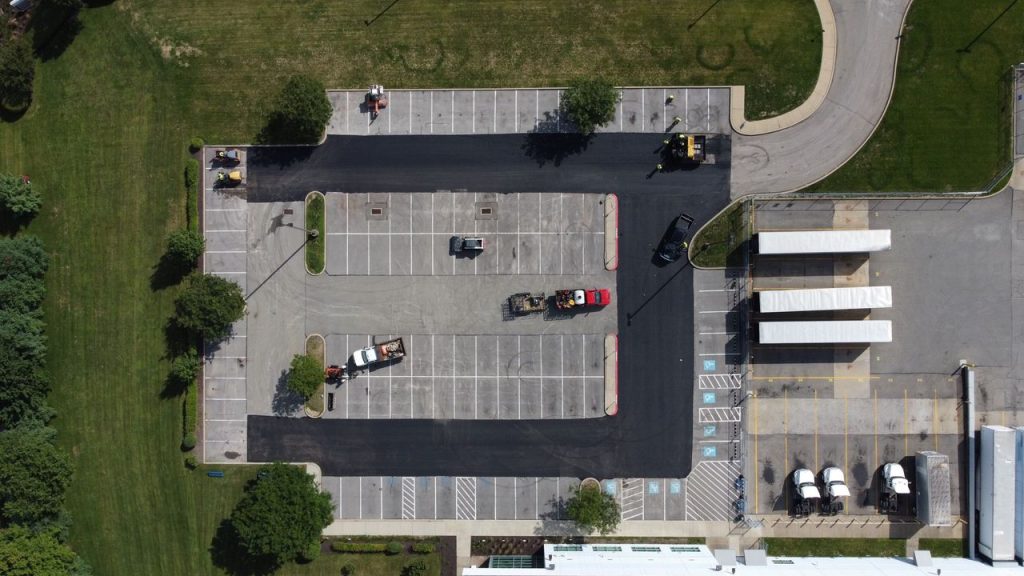
One of the biggest shifts in industrial pavement maintenance is the use of data instead of reactive decision-making. Pavement condition assessments, drone inspections, and digital tracking tools allow facility managers to understand pavement health in real time.
This approach helps prioritize repairs before small issues become major failures. Preventive maintenance schedules are now built on measurable conditions rather than assumptions. Over time, this reduces costs and extends pavement lifespan significantly.
Predictive Maintenance and Lifecycle Planning
Predictive maintenance is becoming a standard expectation rather than an advanced option. By analyzing traffic loads, environmental exposure, and material performance, pavement professionals can forecast deterioration more accurately.
Lifecycle planning allows industrial facilities to budget smarter and avoid emergency shutdowns. Instead of reacting to failures, owners can schedule maintenance during planned downtime. This trend is reshaping how industrial pavement assets are managed long term.
Automation and Its Impact on Pavement Design
Automation is changing how industrial sites operate, and pavements must adapt. Autonomous forklifts, robotic vehicles, and high-density racking systems place unique demands on pavement surfaces.
Designs now consider tighter turning radii, consistent surface flatness, and load concentration zones. Precision matters more than ever. Pavements are becoming part of the operational system rather than just a supporting surface.
Climate Resilience and Weather Adaptation
Extreme weather events are influencing pavement design strategies. Industrial pavements must handle higher temperatures, heavier rainfall, and more frequent freeze-thaw cycles in some regions.
Future-focused designs incorporate improved drainage, flexible materials, and joint systems that accommodate movement. Climate-resilient pavements reduce damage risk and help facilities stay operational during challenging conditions.
Why Expertise Matters More in the Future
As pavement systems become more advanced, the margin for error shrinks. Design mistakes, improper installation, or skipped maintenance steps can lead to costly failures. This makes experienced guidance critical.
The Pavement Group works with industrial clients to design, build, and maintain pavements that align with future demands. Their approach focuses on performance, longevity, and transparency at every stage of the project.
The Role of Long-Term Partnerships in Pavement Success
The future of industrial pavement design and maintenance favors long-term partnerships over one-time projects. Facility owners benefit most when pavement professionals understand their operations, traffic patterns, and growth plans.
Ongoing collaboration allows for better planning, smarter upgrades, and fewer surprises. Pavement becomes an asset that supports business goals instead of a recurring problem.
Build Pavement That’s Ready for What’s Next!
Industrial pavements are evolving, and your facility should evolve with them. Whether you’re planning new construction or rethinking long-term maintenance, The Pavement Group helps you stay ahead of future demands.
Our team designs pavement solutions that perform today and hold up tomorrow. Connect with The Pavement Group and start building smarter pavement systems with confidence.
Frequently Asked Questions
1. What are the biggest trends in industrial pavement design?
Industrial pavement design is shifting toward load-specific engineering and advanced materials. Designs now focus on long-term durability instead of minimum requirements. Data and performance modeling play a larger role than ever before.
2. Why is sustainability important in industrial pavement?
Sustainability reduces environmental impact while supporting long-term performance. Recycled materials and efficient designs lower lifecycle costs. Many facilities also need sustainable solutions to meet regulatory or corporate goals.
3. How does data improve pavement maintenance?
Data allows pavement conditions to be monitored accurately over time. This supports preventive maintenance instead of reactive repairs. Facilities save money by fixing issues before they worsen.
4. What is predictive pavement maintenance?
Predictive maintenance uses data to forecast pavement deterioration. It helps schedule repairs at the most cost-effective time. This approach reduces downtime and unexpected failures.
5. How do heavier loads affect pavement design?
Heavier loads increase stress on pavement layers. Designs must account for axle weight, traffic frequency, and equipment movement. Stronger bases and materials help prevent early damage.
6. Are advanced materials worth the cost?
Advanced materials often cost more upfront but last longer. They reduce cracking, rutting, and maintenance frequency. Over time, they usually lower total ownership costs.
7. How does automation impact industrial pavements?
Automation requires smoother, more precise pavement surfaces. Pavements must handle concentrated loads and repetitive movement. Design accuracy becomes critical for operational efficiency.
8. What role does climate play in pavement performance?
Climate affects temperature expansion, moisture damage, and surface wear. Pavements designed for local conditions perform better over time. Climate-adaptive features reduce failure risks.
9. Why is lifecycle planning important?
Lifecycle planning helps facilities budget and plan maintenance strategically. It prevents costly emergency repairs. Pavement assets last longer when managed proactively.
10. How often should industrial pavements be evaluated?
Regular evaluations help identify early signs of distress. Annual or biannual assessments are common for high-traffic facilities. Frequent monitoring supports smarter maintenance decisions.