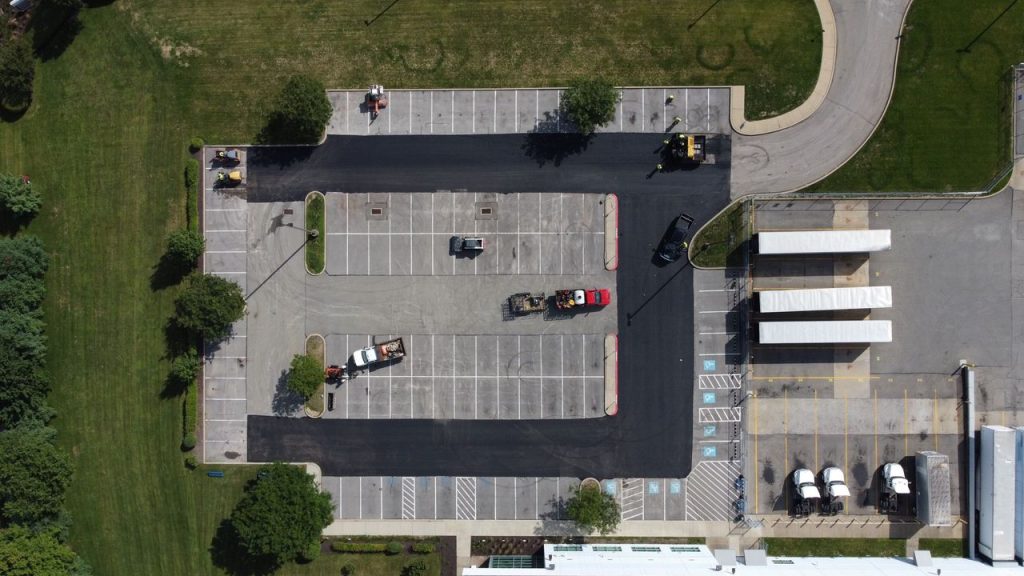
Pavement failure rarely happens overnight. It begins quietly with tiny cracks, subtle shifts in temperature, stress, moisture intrusion, or base layer fatigue that often go unnoticed until repairs become expensive and disruptive. This is where predictive maintenance using smart sensors in pavement management is reshaping how infrastructure owners think about long-term performance.
Instead of reacting to visible damage, smart pavement technology allows asset managers to monitor real-time conditions below the surface. These insights help predict when and where deterioration will occur, long before potholes, rutting, or structural failures develop. The result is smarter planning, better budgeting, and pavements that last longer with fewer surprises.
What Predictive Maintenance Means for Pavement Management
Moving Beyond Reactive Repairs
Traditional pavement maintenance relies heavily on visual inspections and scheduled repairs. While this approach has worked for decades, it often results in late-stage interventions that cost more and disrupt operations. Predictive maintenance shifts the focus from reacting to damage to preventing it.
Smart sensors collect continuous data about pavement conditions, allowing engineers to intervene at the right time rather than after failure occurs.
Why Timing Is Everything
The cost difference between early intervention and full reconstruction is significant. Sealing a crack or stabilizing a base layer early can cost a fraction of what major rehabilitation requires later. Predictive insights help maintenance teams act when repairs are still affordable and effective.
This timing advantage is one of the strongest drivers behind sensor-based pavement strategies.
How Smart Sensors Work in Pavement Systems
Types of Sensors Used in Pavement Monitoring
Smart pavement systems typically use embedded or surface-mounted sensors designed to withstand heavy loads and harsh environments. These sensors measure factors such as temperature fluctuations, moisture levels, strain, vibration, and traffic loads.
The data collected helps identify patterns that indicate structural stress or environmental impact.
Turning Data Into Actionable Insights
Raw sensor data alone is not useful without interpretation. Advanced software platforms analyze incoming data to detect anomalies and forecast deterioration trends. Engineers can then prioritize maintenance activities based on real risk rather than assumptions.
This data-driven approach leads to more accurate decision-making and better long-term pavement performance.
Key Benefits of Predictive Maintenance Using Smart Sensors
Longer Pavement Lifespan
By addressing issues before they escalate, pavements experience less structural damage over time. Predictive maintenance reduces the cycle of repeated repairs that weaken pavement layers. This results in extended service life and fewer major rehabilitation projects.
Longer lifespan directly translates into better return on investment.
Reduced Maintenance Costs
Preventive actions cost less than emergency repairs. Smart sensors help allocate maintenance budgets more efficiently by targeting only areas that need attention. This eliminates unnecessary repairs while preventing costly failures.
Over time, cost savings become substantial across large pavement networks.
Improved Safety and Performance
Early detection of pavement issues helps reduce hazards such as potholes, uneven surfaces, and water-related damage. Safer pavements improve user experience and reduce liability risks.
Consistent surface performance also supports heavy industrial and commercial traffic.
Applications Across Industries and Facilities
Municipal and Transportation Infrastructure
Cities and transportation agencies use smart sensors to monitor roads, highways, and intersections. Predictive maintenance helps prioritize funding and minimize traffic disruptions. It also supports data-backed grant applications and infrastructure planning.
Industrial and Commercial Pavements
Industrial sites, distribution centers, and large commercial properties benefit significantly from predictive monitoring. Heavy loads and constant traffic accelerate wear in these environments. Sensor data helps prevent downtime caused by unexpected pavement failures.
Airports and Specialized Facilities
Airports rely on precise pavement performance to ensure safety. Smart sensors provide continuous insight into runway and taxiway conditions. Predictive maintenance helps meet regulatory requirements and operational demands.
Challenges and Considerations
Initial Implementation Costs
Installing smart sensors requires upfront investment. However, these costs are often offset by long-term savings from reduced repairs and extended pavement life. The key is aligning sensor deployment with critical pavement areas.
Strategic implementation maximizes return while controlling expenses.
Data Management and Expertise
Collecting data is only part of the equation. Interpreting and acting on that data requires expertise. Partnering with experienced pavement professionals ensures insights are applied effectively.
Without proper analysis, even the best technology falls short.
Why Experience Still Matters
Technology does not replace engineering judgment. Smart sensors enhance decision-making, but they work best when paired with experienced pavement management professionals. Understanding how data aligns with real-world pavement behavior is critical.
The Pavement Group combines advanced pavement strategies with practical expertise, helping clients move from reactive maintenance to predictive planning. Our approach ensures sensor data translates into meaningful, cost-saving action rather than unused information.
The Future of Pavement Management
Predictive maintenance using smart sensors is not a trend. It represents a fundamental shift in how infrastructure is managed. As sensor technology becomes more accessible, data-driven pavement management will become standard practice.
Organizations that adopt predictive strategies now will be better positioned to control costs, extend asset life, and maintain safe, high-performing pavements well into the future.
Ready to Take Pavement Management Further?
Waiting for pavement to fail is no longer the smartest option. Predictive maintenance using smart sensors in pavement management offers a proactive way to protect infrastructure, control costs, and extend pavement life.
The Pavement Group helps organizations move beyond guesswork with data-driven pavement strategies that actually work in the real world. If you’re ready to plan smarter, maintain earlier, and spend less over time, now is the moment to rethink how your pavements are managed.
Frequently Asked Questions
1. What is predictive maintenance in pavement management?
Predictive maintenance uses data to anticipate pavement issues before visible damage occurs. Sensors monitor conditions such as moisture, temperature, and strain. This allows timely interventions that prevent major deterioration.
2. How do smart sensors detect pavement problems?
Smart sensors collect continuous data from within or on the pavement surface. Changes in readings reveal stress, movement, or environmental impacts. These patterns help predict when maintenance is needed.
3. Are smart sensors reliable for pavement monitoring?
Modern pavement sensors are designed for durability and accuracy. They withstand heavy loads and extreme weather. Reliability improves when data is interpreted by experienced professionals.
4. Does predictive maintenance reduce long-term costs?
Yes, early interventions are significantly less expensive than major repairs. Predictive maintenance helps avoid emergency work and unplanned shutdowns. Over time, cost savings accumulate across pavement networks.
5. Can predictive maintenance prevent pavement failure?
While no system eliminates all risk, predictive maintenance greatly reduces failure likelihood. Early detection allows corrective action before damage spreads. This improves overall pavement resilience.
6. Is sensor-based pavement management suitable for small facilities?
Yes, smart monitoring can be scaled to fit different facility sizes. Even targeted sensor placement provides valuable insights. Smaller systems still benefit from early problem detection.
7. What data do pavement sensors typically collect?
Sensors often track temperature, moisture, strain, and traffic loads. Some systems also monitor vibration and deflection. This data helps assess structural health.
8. How often is sensor data reviewed?
Data can be reviewed in real time or at scheduled intervals. Alerts are often generated when thresholds are exceeded. Review frequency depends on system design and pavement usage.
9. Does predictive maintenance replace visual inspections?
No, it complements them. Visual inspections remain important for surface conditions. Sensor data adds insight into subsurface behavior not visible to the eye.
10. How long do pavement sensors last?
Most sensors are designed to last many years when properly installed. Lifespan depends on traffic load and environmental conditions. Long-term durability makes them cost-effective over time.