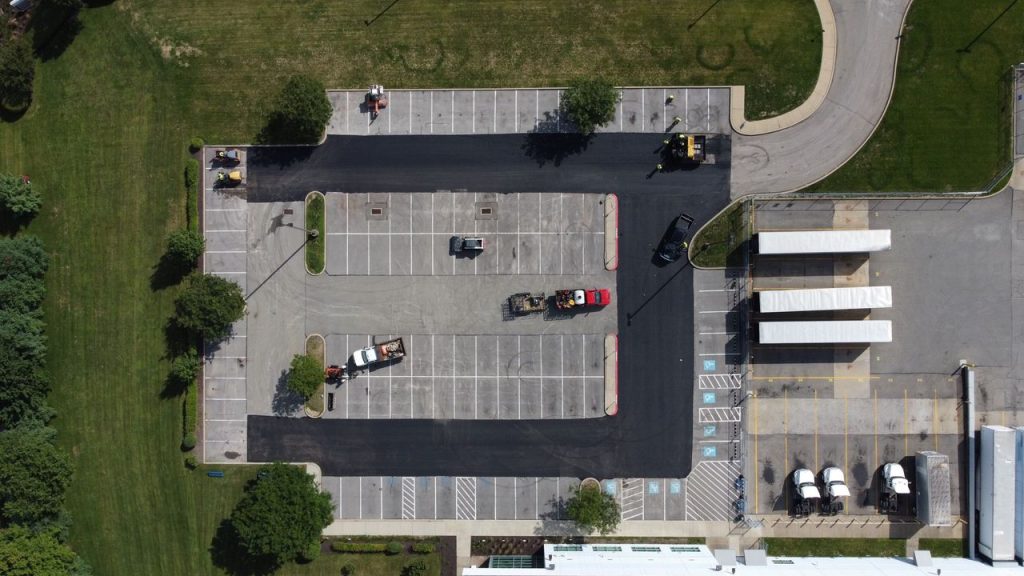
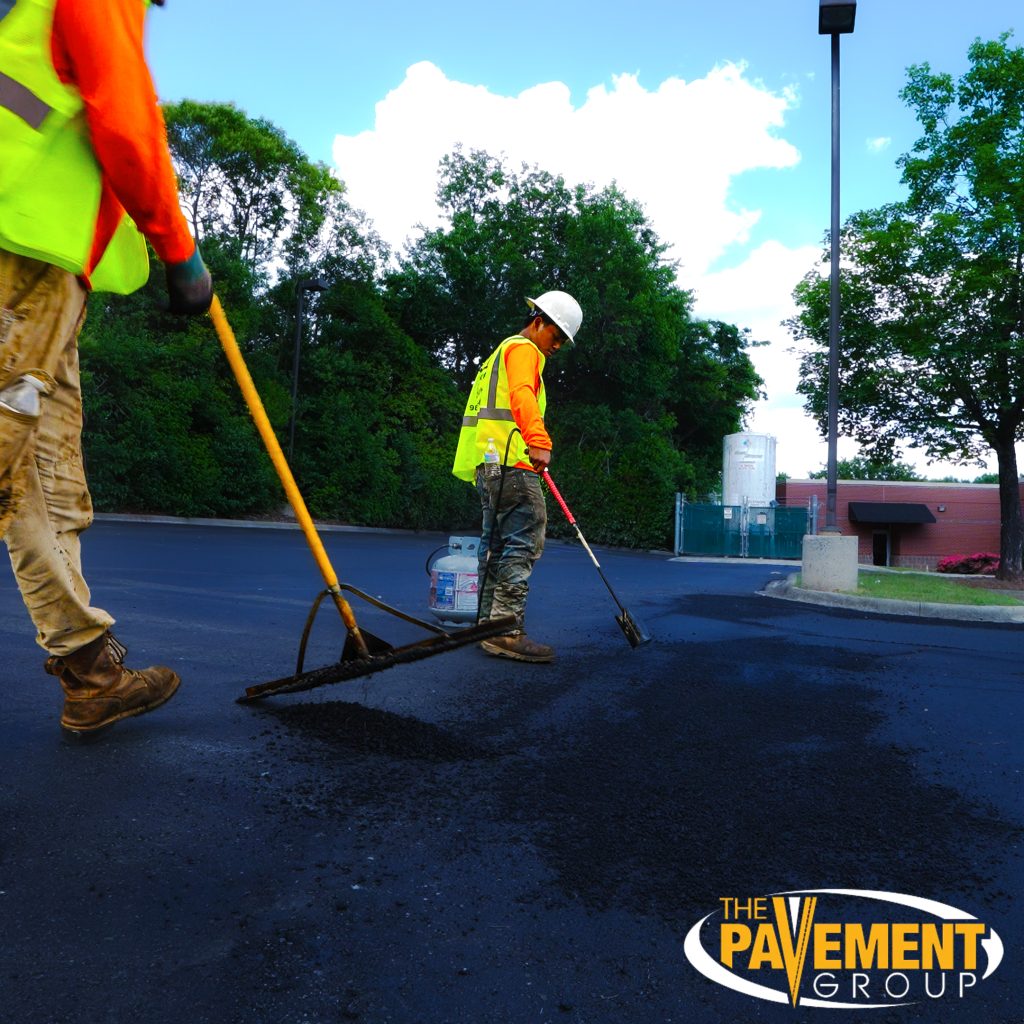
Have you ever wondered how many business owners unintentionally break the law with something as simple as their parking lot? It sounds dramatic, but it happens every day. Commercial asphalt paving also includes local regulations. It is not just about laying down smooth blacktop. It’s about compliance, safety, and protecting your investment. Local municipalities from Pittsburgh to Cleveland to Columbus have specific codes that govern everything from stormwater drainage to ADA accessibility. Miss one detail and you could face fines, legal disputes, or even have to redo the work. That’s not only expensive, but it could also damage your reputation as a responsible property owner.
So let’s walk through how you can confidently ensure your commercial asphalt paving meets local regulations without the headaches.
Why Compliance Matters More Than You Think
Imagine spending thousands on fresh pavement only to discover it doesn’t pass inspection. Suddenly, that “investment” feels like a loss. Compliance isn’t optional. Cities like Pittsburgh and Cleveland use local zoning boards, public works departments, and building inspectors to enforce strict rules. These aren’t designed to annoy you. They’re meant to keep roads safe, manage water runoff, and ensure accessibility for everyone.
When your asphalt paving meets code, you’re doing more than checking a box. You’re protecting your property value, reducing liability risks, and giving your tenants or customers a safe, professional-looking environment.
Step 1: Research Your Local Codes Before Breaking Ground
Every city has its own quirks. Pittsburgh, for example, requires stormwater management plans for larger lots because of flooding risks. Cleveland puts a strong emphasis on ADA compliance and slope guidelines. Columbus is strict about material thickness depending on the type of commercial use.
Before you start, head to your city’s website or contact the local permitting office. They’ll guide you through zoning ordinances, building permits, and inspection requirements. If you skip this step, you risk running into delays or worse, stop-work orders.
Step 2: Work With an Experienced Asphalt Contractor
This part is huge. The best way to avoid regulatory issues is to hire professionals who already know the ropes. Local contractors familiar with municipal guidelines can navigate the approval process for you. They’ll understand technical details like subgrade compaction, drainage slope, and line striping requirements.
Think of it like hiring an accountant. Sure, you could try to file taxes on your own, but why risk missing deductions or making errors? The same logic applies here. Asphalt contractors who specialize in commercial paving know how to deliver compliance while still making the surface look flawless.
Step 3: Pay Attention to Drainage
One of the biggest reasons paving projects fail inspections is poor drainage. Water pooling on asphalt is more than an inconvenience. It weakens the base, cracks the surface, and creates hazards for pedestrians. Local codes require specific grading to ensure water flows toward drains or retention systems.
Cities like Pittsburgh are especially sensitive to runoff because of their hilly terrain. If you ignore proper slope requirements, you might find yourself tearing out sections of brand-new pavement just to re-grade it. Prevention is always cheaper than repair.
Step 4: Don’t Overlook ADA Compliance
Accessibility is not optional. Federal law requires it, and local municipalities enforce it. That means proper striping, handicap-accessible parking stalls, ramps, and clear signage. In Cleveland, inspectors will check the slope of accessible spaces with precise measurements. If it’s off by even a small margin, you’ll fail.
Beyond legal requirements, ADA compliance sends a powerful message that your business values inclusivity. It’s one of those details that customers notice, and appreciate.
Step 5: Keep Documentation Organized
Permits, inspections, site plans; they all matter. Keep everything in one place so you can quickly provide proof if questioned by inspectors or tenants. Organized documentation not only keeps you out of trouble but also helps during resale or refinancing of your property.
Testimonial
“When I first decided to repave the parking lot for my small retail center in Pittsburgh, I was honestly overwhelmed by the regulations. I thought paving was just about putting down asphalt, but I quickly realized drainage, ADA, and permits all came into play. The contractor explained every step and even coordinated with the city inspector. Not only did we pass inspection on the first try, but customers immediately complimented the new layout. The peace of mind knowing everything was compliant was worth every penny.”-Abigail P., Pittsburgh, PA
Common Mistakes to Avoid
- Skipping the permitting process to “save time”
- Ignoring slope and drainage requirements
- Forgetting to add required signage or striping
- Hiring the cheapest contractor instead of the most qualified
- Not scheduling required inspections
Final Thoughts
Compliance might feel like an obstacle, but it’s really an investment in peace of mind. Meeting local regulations in cities like Pittsburgh, Cleveland, and Columbus not only saves you money but also strengthens your credibility as a business owner. Think of it as building a foundation. Not just for asphalt but for trust, safety, and long-term value.
Focus on Your Business: Let Us Handle the Paving Compliance!
If you’re planning a commercial asphalt paving project and want to avoid the stress of navigating local regulations alone. Call The Pavement Group today. Our team knows the ins and outs of municipal codes across Pittsburgh, Cleveland, and Columbus. We’ll handle the compliance so you can focus on running your business. Schedule a consultation now and get your project started with confidence.
Frequently Asked Questions
1. How do I find out if my asphalt paving project needs a permit?
Most cities require permits for commercial paving projects. You can check with your local building department or zoning office. They’ll confirm whether your project size or location triggers a permit requirement.
2. What happens if my paving doesn’t meet local regulations?
If your paving doesn’t comply, inspectors can issue fines or order you to redo the work. Noncompliance can also affect insurance claims and property resale. It’s always cheaper to get it right the first time.
3. Are ADA regulations enforced for commercial parking lots?
Yes, ADA compliance is federally mandated and enforced locally. Inspectors will check parking space dimensions, slopes, and signage. Meeting these standards protects your business legally and improves accessibility.
4. Why is drainage important in asphalt paving?
Proper drainage prevents water damage that leads to cracks and potholes. Cities require grading that directs water away from structures. Without it, your pavement won’t pass inspection.
5. How thick should commercial asphalt paving be?
Thickness depends on usage and local codes. Heavy truck traffic may require up to 8 inches of asphalt, while lighter lots may need 4–6 inches. Always verify with your local inspector.
6. Can I handle paving compliance on my own?
Technically yes, but it’s risky. Professionals know municipal codes and can prevent costly mistakes. Partnering with an experienced contractor saves time and ensures compliance.
7. Do all cities have the same paving regulations?
No, regulations vary widely. For example, Pittsburgh focuses heavily on stormwater management, while Cleveland emphasizes accessibility. Always check your city’s specific requirements.
8. How do inspectors check asphalt paving compliance?
Inspectors look at slope, thickness, drainage, and ADA markings. They may use measuring tools and review site plans. Passing inspection confirms your project meets local standards.
9. How much does noncompliance cost business owners?
Costs vary, but redoing noncompliant paving can run into tens of thousands of dollars. Add in fines and lost business during repairs, and the expense grows quickly.
10. What should I look for in a commercial paving contractor?
Choose someone with proven local experience, strong references, and knowledge of municipal codes. They should guide you through permitting and guarantee compliant results.