Have you ever walked into a retail plaza or commercial office and instantly judged the business based on the condition of the parking lot? Most people do it without even realizing. A smooth, freshly paved lot signals professionalism, safety, and care for customers. A cracked, faded, or uneven surface does the opposite. For property managers and business owners, asphalt paving is not just about looks. It’s an investment that directly affects return on investment (ROI), tenant satisfaction, and long-term property value.
Today, we want to walk you through a real-world perspective on how asphalt paving impacts ROI for retail and commercial businesses. Think of this as part story, part strategy, and part expert guide. By the time you finish reading, you’ll see why pavement isn’t just a surface; it’s an asset.
Understanding ROI in Asphalt Paving
ROI is more than numbers on a spreadsheet. When it comes to pavement, it’s about balancing upfront costs with measurable long-term gains. The ROI of asphalt paving comes from three main areas:
- Durability and lifespan: Asphalt that’s properly installed and maintained can last decades with regular sealcoating and crack filling.
- Customer and tenant experience: A clean, safe, and smooth lot encourages repeat visits and builds trust.
- Reduced long-term expenses: Proactive paving minimizes emergency repairs, liability claims, and costly replacements.
Retailers in busy shopping centers and commercial landlords in office parks are especially sensitive to these factors. Asphalt paving is not just a cost; it’s a financial strategy.
Case Study: Retail Plaza Parking Lot
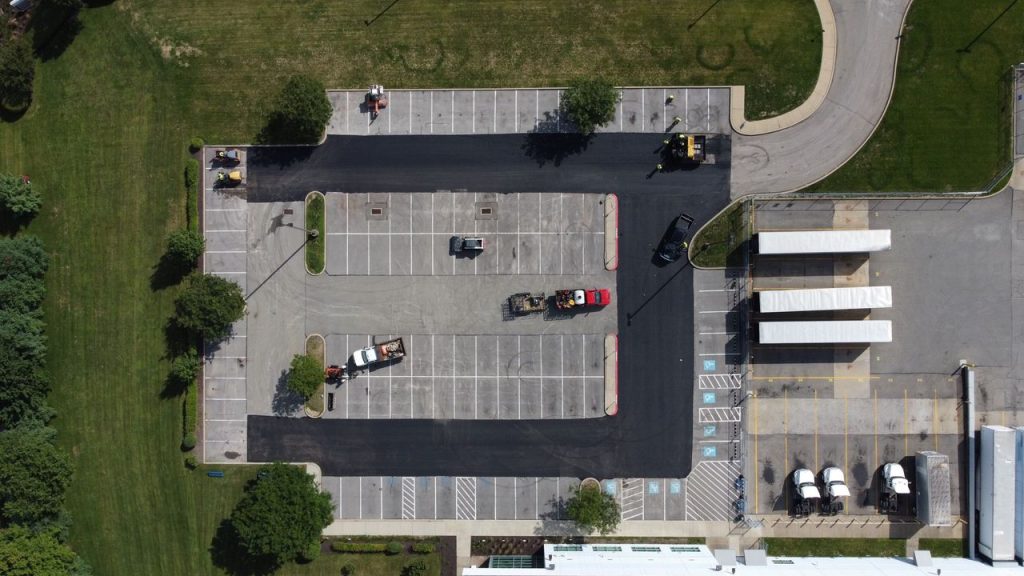
Let’s talk about a mid-sized retail plaza in Pittsburgh that recently invested in full asphalt resurfacing. The lot was about 40,000 square feet and had multiple problem areas like potholes, faded striping, and drainage issues. Tenants were complaining. Customers were leaving negative comments online. The owner finally decided to treat the parking lot as an investment rather than a maintenance headache.
The results were immediate. After the paving project, tenants reported increased foot traffic because customers felt safer parking there. Lease renewals became easier because the lot looked professional. Maintenance costs dropped by 60% compared to the previous three years. When the owner looked at the numbers, the ROI of the asphalt paving project paid itself back in under three years through increased lease value and reduced repairs.
Why Asphalt Wins for Commercial ROI
Concrete and alternative materials are out there, but asphalt continues to dominate for retail and commercial sites. Here’s why asphalt is the clear winner when ROI is the focus:
Cost-Effectiveness Upfront
Asphalt installation is generally more affordable than concrete, especially for large commercial properties. This means you can pave more square footage for the same budget.
Faster Installation and Minimal Downtime
For a retail plaza or business park, downtime equals lost revenue. Asphalt projects can often be completed faster, meaning tenants and customers experience minimal disruption.
Long-Term Performance
With regular upkeep, asphalt can last 20+ years. Sealcoating every 3–5 years adds protective layers against weather and heavy traffic. This type of longevity directly boosts ROI.
The Customer Experience Factor
PA shopper pulls into a lot with deep potholes and faded striping. They’re already annoyed before they’ve even walked into the store. Now picture a different lot; smooth blacktop, crisp white striping, clear signage. That same shopper feels safe, welcomed, and cared for.
Asphalt paving directly influences customer perception. A good parking lot signals that the business behind it is responsible and professional. For property managers, that translates to higher tenant satisfaction and better leasing opportunities.
Local Considerations for Asphalt ROI
In places like Pittsburgh, Cleveland, and Philadelphia, asphalt paving ROI is strongly affected by freeze-thaw cycles. Winters are brutal on pavement, and untreated cracks quickly expand. Businesses that invest in high-quality asphalt paving with proper drainage and sealing see far greater ROI than those that cut corners.
Regional climate also dictates maintenance schedules. In the Northeast, annual inspections and spring repairs are non-negotiable if you want ROI to stay high. Choosing a paving contractor familiar with local soil conditions and weather patterns is critical.
Testimonial
“When we decided to repave our commercial lot, I wasn’t convinced it would really make a difference beyond aesthetics. But within six months, we started noticing more consistent customer traffic and fewer complaints about parking. Even my tenants mentioned how much easier it was to lease spaces. The paving team guided us on maintenance too, which has already saved us money. I honestly view it as one of the best investments we’ve made in the property.”– David, R.
Measuring the ROI of Asphalt Paving
Calculating ROI is part financial and part practical. A business owner can look at the drop in maintenance costs, the rise in tenant renewals, and the boost in customer traffic. But there’s also the harder-to-measure benefit of reputation. When a property looks professional, it attracts better tenants and builds long-term community trust.
How to Maximize Your Asphalt Paving Investment
Here are a few steps to ensure ROI stays strong:
- Choose a contractor with local expertise: Every region has unique climate challenges.
- Invest in proper drainage: Standing water kills asphalt fast.
- Schedule preventive maintenance: Sealcoating, crack repair, and striping are small costs that protect your big investment.
- Monitor tenant and customer feedback: Their perception directly links to your property value.
Asphalt as a Smart Business Investment
Ready to see how asphalt paving can transform your property’s ROI? Partner with The Pavement Group today. Our team understands the unique needs of retail and commercial properties across Pittsburgh, Cleveland, and Philadelphia. From initial planning to long-term maintenance, we’ll make sure your investment delivers measurable returns. Contact us now for a free consultation and let’s pave the way to better business.
Frequently Asked Questions
1. How long does commercial asphalt paving last?
Commercial asphalt paving typically lasts between 15 to 20 years with routine maintenance. Sealcoating, crack repair, and proper drainage extend that lifespan significantly. Without upkeep, the surface deteriorates much faster.
2. Is asphalt better than concrete for parking lots?
Asphalt is often preferred for parking lots because it’s more affordable upfront and easier to repair. Concrete may last longer in some climates but comes with higher initial costs. Asphalt offers a better ROI in regions with freeze-thaw cycles.
3. What factors affect the ROI of asphalt paving?
The ROI depends on proper installation, quality of materials, and ongoing maintenance. Local climate, traffic load, and drainage also play major roles. Partnering with an experienced paving contractor ensures higher returns.
4. How much does commercial asphalt paving cost?
Costs vary based on project size, location, and prep work required. On average, commercial asphalt paving ranges from $4 to $10 per square foot. Large-scale projects may benefit from volume pricing.
5. Can asphalt paving reduce liability risks?
Yes, a well-maintained asphalt lot minimizes trip hazards, potholes, and drainage issues that can cause accidents. Reducing liability claims directly adds to the ROI of paving investments.
6. How often should asphalt lots be sealcoated?
Sealcoating should be applied every 3 to 5 years depending on traffic and weather conditions. This process protects the surface from UV rays, water penetration, and chemical spills. Regular sealcoating extends ROI.
7. Does asphalt paving increase property value?
Absolutely. A newly paved lot enhances curb appeal and signals that the property is well cared for. This makes leasing easier and increases long-term property value for owners.
8. What maintenance is required for asphalt paving?
Routine crack sealing, patching, and annual inspections are essential. Preventive maintenance keeps small issues from turning into costly repairs. Consistency ensures maximum ROI.
9. How quickly can tenants or customers use a new asphalt lot?
Most asphalt lots can be used within 24 to 48 hours after paving. This quick turnaround minimizes disruption for businesses and helps keep operations smooth.
10. Are there eco-friendly benefits to asphalt paving?
Yes, asphalt is one of the most recycled materials in the U.S. Reclaimed asphalt can be reused, making it a more sustainable choice for commercial properties. This also reduces material costs over time.