A commercial paving project is not just about pouring asphalt or laying concrete. It is an investment that shapes the first impression of your property, influences safety, and reflects your commitment to quality. Every visitor, customer, or employee who steps onto your lot experiences it immediately, even if they do not consciously think about it. That is why managing a successful commercial paving project requires more than a contractor and a few materials. It requires vision, planning, communication, and a steady hand to guide the entire process from the first sketch to the last sealcoat.
We have seen companies treat paving like a box to check off and then wonder why cracks appear months later or why drainage issues become nightmares. On the other hand, I have also witnessed businesses thrive after investing wisely in their pavement. The difference comes down to how the project is managed. If you are about to begin your own paving journey, let’s walk through the steps that will make your project smooth, efficient, and ultimately successful.
Start With a Clear Scope and Plan
Every successful commercial paving project begins with clarity. Without a well-defined scope, costs spiral and schedules stretch. The very first step is to identify what you truly need. Is this a complete replacement of your parking lot or a resurfacing to extend its life? Are you addressing safety concerns such as potholes and trip hazards or enhancing aesthetics for customer appeal?
Defining the scope allows you to create a roadmap. Work with your contractor to establish measurable goals, realistic timelines, and specific outcomes. Document everything in writing. This upfront planning is not glamorous but it prevents miscommunication later. Think of it as drawing the blueprint for a building. Without it, you would not know where to put the walls.
Budget Wisely Without Cutting Corners
Money always enters the conversation early. Too often, businesses focus only on the lowest bid. While it is tempting to save upfront, cheap work usually costs more in the long run. Inferior materials, rushed labor, or skipped preparation all lead to pavement that breaks down quickly.
Instead, budget for quality. Ask for detailed breakdowns of labor, materials, equipment, and contingencies. Factor in long-term maintenance costs too. Spending slightly more now can save you thousands in repairs later. Remember, pavement is not disposable. Done right, it should last years.
Choose the Right Contractor
The contractor you hire can make or break your project. Look for a team with proven experience in commercial paving, not just residential driveways. Commercial projects are bigger, more complex, and require stronger project management.
Do your homework. Check references, look at past work, and ask about insurance and certifications. Communication is just as important as credentials. You want someone who answers questions clearly and keeps you informed at every stage. A trustworthy contractor will act like a partner, not just a service provider.
Prioritize Scheduling and Logistics
Commercial paving projects affect people’s daily lives. Customers, employees, deliveries, and tenants all rely on access to the property. Poor scheduling creates frustration and lost revenue.
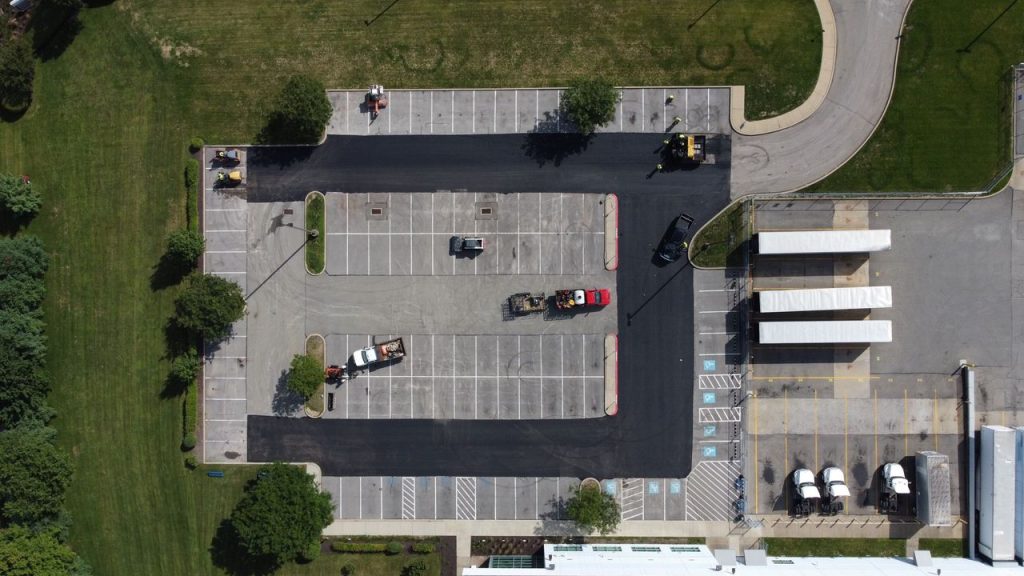
Work with your contractor to plan the least disruptive schedule. Sometimes this means working at night or in phases to keep part of the lot open. Communicate schedules to everyone ahead of time. Put up signs, send emails, and notify tenants. When people know what to expect, they are far more patient with temporary inconvenience.
Focus on Quality Control
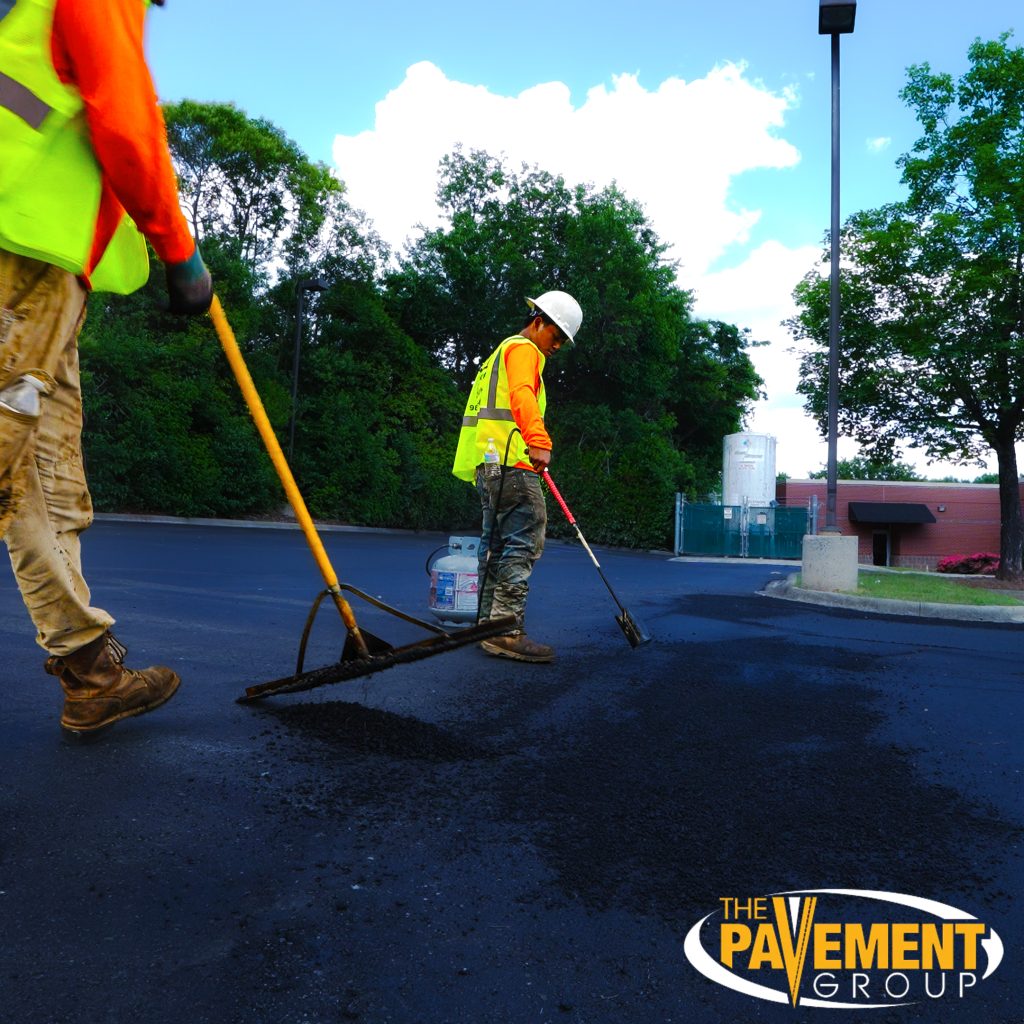
Even with the best planning, quality must be monitored during execution. Asphalt and concrete have precise installation requirements. Temperatures, compaction, thickness, and curing times all matter. Cutting corners here may not show immediately but problems will appear down the line.
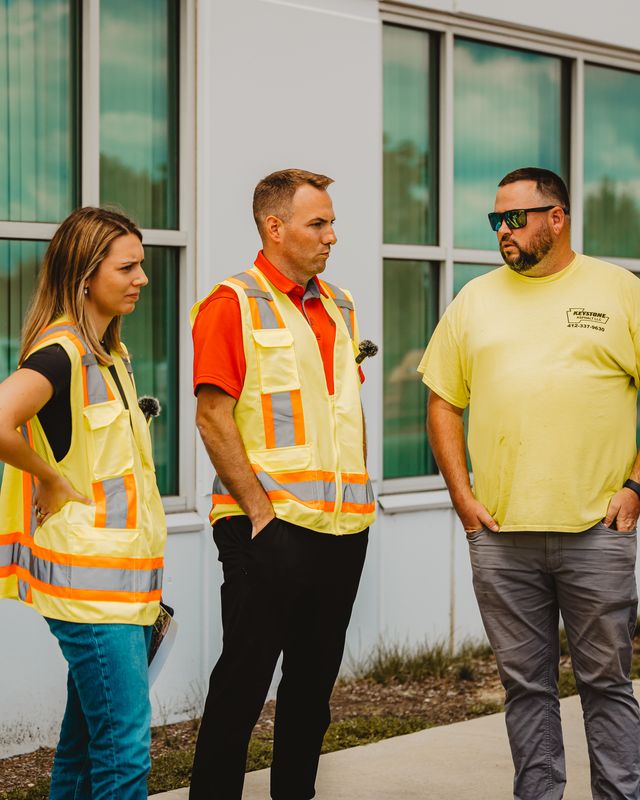
Do not hesitate to ask questions while work is happening. A professional contractor should welcome your involvement. Review progress daily if possible. Walk the site, look at how the base is prepared, and check that drainage slopes are correct. Your presence sends a message that quality matters.
Think Long-Term Maintenance
A successful project does not end when the last roller passes over the surface. Maintenance is what keeps pavement strong. Sealcoating, crack filling, striping, and drainage checks should all be scheduled regularly.
Set up a long-term maintenance plan with your contractor. Treat pavement like the roof of a building. It needs ongoing care. By investing in upkeep, you extend the life of your project and protect the money you have already spent.
Communication is Everything
I cannot emphasize this enough. Clear, ongoing communication between property managers, contractors, and stakeholders is what keeps projects on track. From the very first meeting until the final walk-through, communication prevents misunderstandings and builds trust.
Ask for updates, request photos if you are not on-site, and confirm decisions in writing. When everyone is aligned, surprises are minimized and confidence remains high.
Testimonial
“I was hesitant about repaving the parking lot at my office building, but it was long overdue. I’m so glad I chose this company! The entire process was seamless and stress-free. They communicated clearly, worked efficiently, and delivered a high-quality result. The new lot looks fantastic, and the improved drainage has made a huge difference. It’s definitely enhanced the value and appeal of my property.”
— Susan K., Real Estate Investor, Downtown Orlando
Bringing It All Together
Managing a successful commercial paving project is less about luck and more about discipline. Define your scope, budget wisely, hire the right contractor, plan logistics carefully, monitor quality, and prepare for maintenance. Each step builds on the next and skipping any of them puts your investment at risk.
Remember, pavement is not just asphalt or concrete. It is the stage upon which your business operates. Customers notice it. Employees depend on it. And your reputation rests on it.
Ready to Take the Next Step?
Your property deserves more than a quick fix. If you are serious about creating a long-lasting pavement solution that reflects professionalism and durability, then it is time to partner with experts who understand every step of the process. Do not wait until cracks or potholes grow into costly repairs. Start planning your project with the right team today. Contact The Pavement Group and let’s build something solid together.
Frequently Asked Questions
1. What are the key steps to manage a successful commercial paving project?
The most important steps include planning the scope, setting a clear budget, and choosing the right contractor. Proper scheduling and quality control during installation help prevent costly mistakes. Long-term maintenance planning ensures the pavement remains durable for years.
2. How do I budget for a commercial paving project?
Budgeting starts with defining the scope of work and requesting detailed cost breakdowns. It’s smart to factor in not just construction costs but also ongoing maintenance like sealcoating and crack repair. Investing in quality materials and workmanship upfront usually saves money in the long run.
3. Why is choosing the right contractor important for paving projects?
A skilled contractor ensures the project is completed safely, on time, and within budget. They bring technical expertise in site preparation, drainage, and material selection that directly impacts pavement lifespan. Good communication from a contractor also helps keep you informed throughout the process.
4. How can scheduling affect a commercial paving project?
Scheduling determines how much disruption tenants, employees, and customers experience during construction. Projects can often be phased or completed outside of peak business hours to minimize inconvenience. A carefully managed schedule keeps operations running smoothly while work is completed efficiently.
5. What quality control measures should be used in paving projects?
Quality control includes monitoring material thickness, compaction, and drainage design during installation. Checking these details ensures the pavement can handle heavy traffic without premature cracking. Ongoing site inspections during the project help guarantee long-term performance.
6. What role does maintenance play in a successful paving project?
Even the best paving job requires regular maintenance to last. Sealcoating, striping, and filling cracks protect the surface from water damage and heavy wear. A long-term maintenance plan helps extend the life of the investment and avoids unexpected repairs.
7. How long does a commercial paving project usually take?
The timeline depends on project size, weather conditions, and material curing times. Smaller resurfacing jobs may take a few days while full replacements can last weeks. Clear communication with the contractor will give you an accurate project schedule.
8. What mistakes should be avoided in a commercial paving project?
Common mistakes include rushing the planning phase, focusing only on the lowest bid, and ignoring drainage. Cutting corners often leads to pavement failures that require expensive fixes later. Avoiding these mistakes ensures the project delivers value and durability.
9. How can property managers prepare for a paving project?
Property managers should notify tenants, employees, and customers about the project timeline. They can coordinate alternate parking or access routes to reduce disruption. Preparing in advance helps the project run smoothly with fewer complaints or delays.
10. Why is drainage design critical in commercial paving?
Poor drainage leads to standing water, which accelerates pavement deterioration. Correct slopes and grading during installation prevent long-term structural damage. Investing in proper drainage design from the start ensures the pavement remains strong and safe.