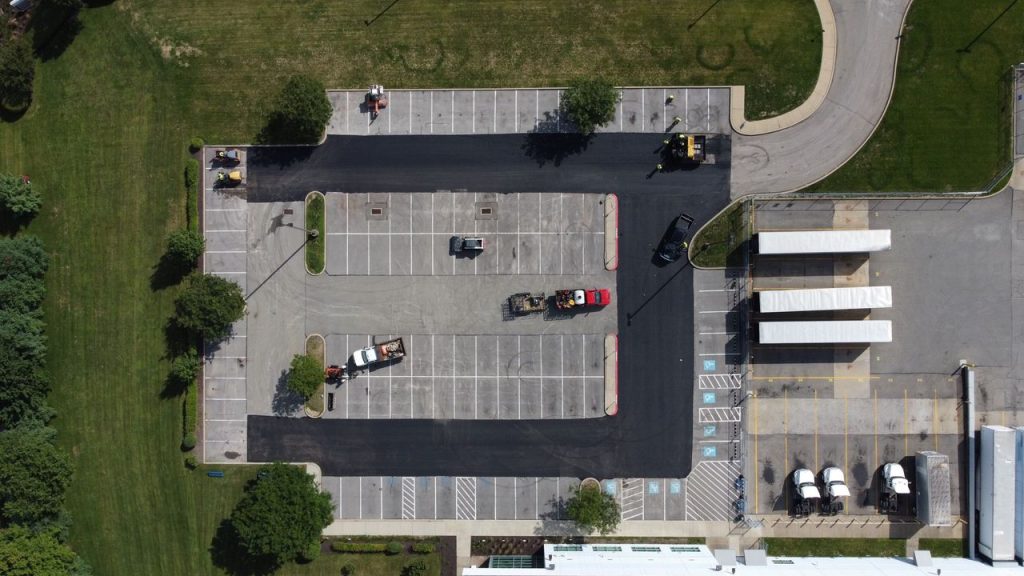
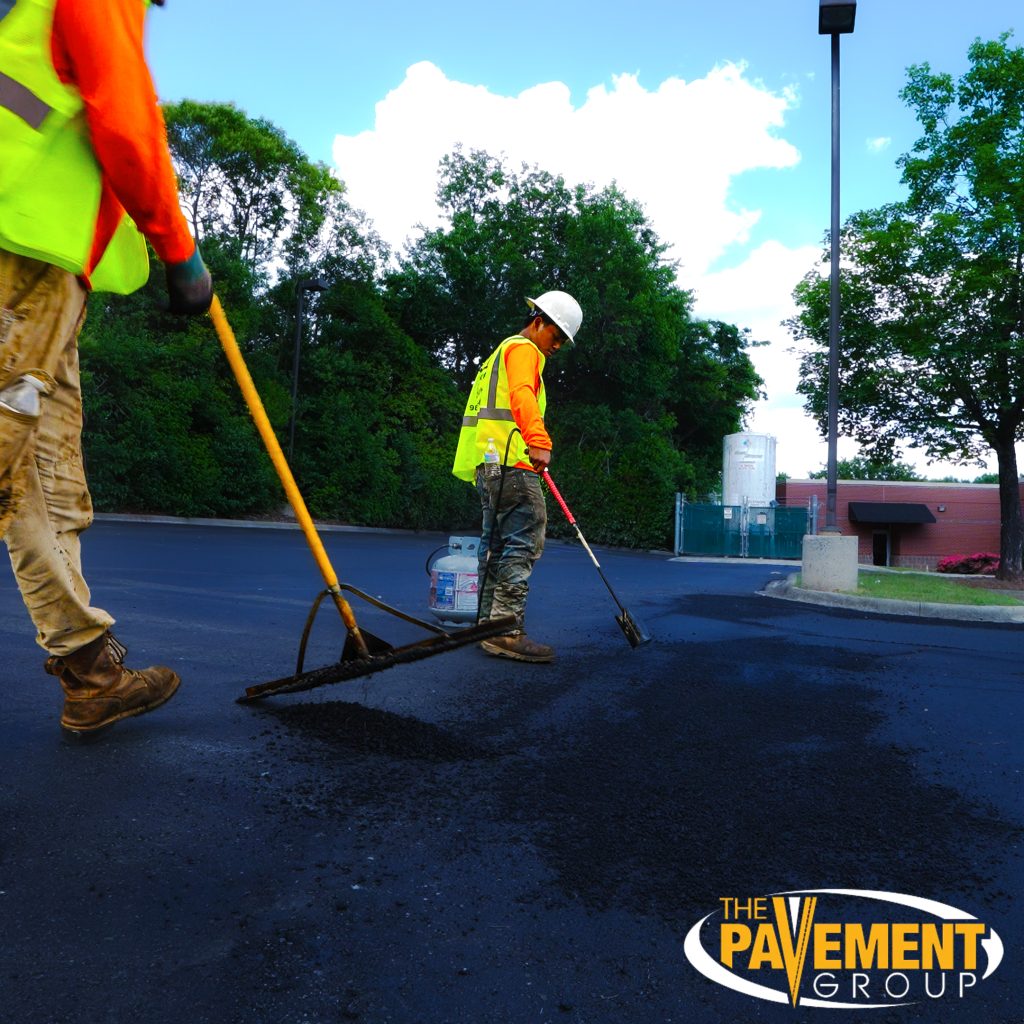
Every business owner eventually faces the same question. How do you create a parking lot that not only looks professional but also lasts for years without becoming a constant headache? Planning a commercial paving project is not just about pouring asphalt. It’s about balancing safety, design, cost, and durability. Done right, your lot becomes the first impression customers notice. Done poorly, it quickly turns into a money pit with potholes, faded lines, and drainage issues.
We’ve seen far too many projects fail simply because the planning phase was rushed. Your parking lot is like the welcome mat of your business. If that mat is dirty, cracked, or unsafe, people notice. But if it’s clean, structured, and well-maintained, it silently communicates professionalism before anyone even walks through your door.
So how do you actually plan a commercial parking lot paving project efficiently? Let’s walk through it step by step.
Step 1: Define the Purpose and Usage
Not every lot is created equal. Some are designed to withstand the constant pounding of heavy truck traffic, while others are intended for lighter passenger vehicles. Before you even break ground on your commercial paving project, you need absolute clarity on what your lot will experience on a daily basis.
- Traffic type: Will delivery trucks use this lot or just customer cars?
- Peak times: How often will your lot be near full capacity?
- Accessibility: Are ADA-compliant spaces properly incorporated?
By starting here, you avoid designing a lot that looks fine on paper but cracks under pressure in real life.
Step 2: Budget with Realistic Numbers
A budget isn’t just a number. It’s a reflection of your priorities. Too many property managers underestimate costs and end up cutting corners, which can shorten the lifespan of the property. Instead of asking, “How much will this cost me today?” ask, “What’s the cost of ownership over the next 20 years?”
That shift in mindset completely changes your approach. A slightly higher upfront investment often saves thousands in repairs later. You’re not just buying asphalt; you’re buying time, safety, and customer confidence.
Step 3: Hire Local Expertise
If you’re in Pittsburgh, Philadelphia, or any surrounding Pennsylvania communities, hiring a paving contractor that understands local soil, drainage, and weather conditions is critical. What works in Phoenix won’t necessarily hold up in Pittsburgh’s freeze-thaw cycles. Local expertise ensures your project is built for the environment it lives in.
Step 4: Design with Drainage in Mind
Standing water is the enemy of every parking lot. It seeps into cracks, expands during winter freezes, and breaks the pavement apart from the inside. When designing, you need proper grading and drainage solutions. I always tell clients: “Water has to go somewhere, don’t let it choose for you.”
Step 5: Permits and Compliance
Skipping this step can cost you dearly. Local zoning laws, municipal codes, and ADA requirements must be met before paving even begins. Failure to secure the right permits can delay your project and rack up fines. Efficient planning means paperwork is done early, so construction flows smoothly.
Step 6: Choose the Right Materials
Not all asphalt is created equal. Your project might require thicker base layers, specific sealants, or even a combination of asphalt and concrete in high-traffic zones. Choosing the right material mix upfront determines how long your lot will last before major repairs are needed.
Step 7: Don’t Forget Markings and Safety
Striping isn’t just paint—it’s traffic control. Clear, visible lines guide customers safely, reduce liability, and enhance the overall look of your property. Think beyond the basics. Consider directional arrows, fire lanes, and pedestrian walkways. A well-marked lot reduces accidents and improves flow.
Step 8: Plan for Maintenance Before the Lot is Built
A parking lot isn’t a “set it and forget it” project. Regular sealcoating, crack filling, and striping keep your investment strong. When you plan your paving project, ask your contractor to also outline a long-term maintenance schedule. That’s how you keep costs predictable and extend the lifespan of your lot.
Testimonial
“I can’t tell you how relieved I was after working with this team. Our old parking lot was full of potholes and it looked terrible. They walked me through every step of the planning process and gave me a clear timeline and budget. What impressed me most was the attention to drainage and long-term maintenance. It’s been two years now and the lot still looks brand new. Customers notice the difference and so do we.” Marielle, G., Downtown Tampa
Built to Last, Designed for Success!
Ready to take the stress out of your commercial parking lot project? The Pavement Group specializes in designing, planning, and executing paving solutions built to last. Don’t wait until cracks and potholes drive customers away. Call us today for a free consultation and discover how easy it can be to upgrade your property with confidence.
Frequently Asked Questions
1. What is the best way to plan a commercial parking lot project?
The best way is to start with a clear purpose for the lot and match the design to its usage. You should also budget realistically and hire local experts familiar with your area. Proper planning prevents costly mistakes later.
2. How much does a commercial parking lot paving project cost?
The cost depends on size, materials, and site conditions. Smaller lots may start in the tens of thousands while larger properties can exceed six figures. A detailed site evaluation is the only way to get an accurate estimate.
3. How long does it take to pave a commercial parking lot?
Most projects can be completed within a few days to a couple of weeks depending on size and complexity. Weather and permits can also impact the timeline. Efficient scheduling reduces downtime for your business.
4. What materials are best for commercial parking lots?
Asphalt is the most common because it’s cost-effective and durable. In heavy traffic zones, concrete or reinforced asphalt may be used. The choice depends on climate, soil, and traffic load.
5. Do I need permits for a parking lot paving project?
Yes, most municipalities require permits for commercial paving. These permits ensure compliance with zoning, drainage, and accessibility standards. Skipping this step can delay your project and lead to fines.
6. How can I make my parking lot last longer?
Regular maintenance is key. Sealcoating, filling cracks, and re-striping extend the life of the pavement. Choosing the right materials during installation also increases durability.
7. Why is drainage important in parking lot design?
Poor drainage leads to standing water that damages asphalt over time. Proper grading and drainage systems prevent cracks, potholes, and premature deterioration. Good drainage saves money long-term.
8. How do I choose a commercial paving contractor?
Look for a contractor with proven local experience and strong references. Ask about their maintenance programs and materials. Always confirm they are licensed and insured.
9. Can I pave a parking lot in the winter?
It’s not recommended in regions with freezing temperatures. Cold weather prevents proper compaction and curing of asphalt. Spring through early fall is usually the best season for paving.
10. What should I include in my paving project budget?
Your budget should cover materials, labor, permits, drainage, and striping. Don’t forget to account for long-term maintenance. Planning for the full lifecycle avoids surprise expenses later.