Every successful commercial property has one thing in common: a strong, reliable surface that supports its business operations. Think about it for a moment. When visitors arrive, the parking lot or access road is the very first impression they get. Cracks, potholes, and uneven pavement don’t just look unprofessional, they pose real safety risks and can even cost you money in liability claims. Planning your commercial asphalt paving project requires foresight, strategy, and the guidance of professionals who know what it takes to create pavement built to last.
In this guide, we’ll walk you step by step through the process of planning your project. You’ll learn how to evaluate your property’s needs, set a realistic budget, coordinate with contractors, and ensure compliance with local regulations. By the end, you’ll feel confident about moving forward with a plan that not only improves your property but also boosts its value for years to come.
Why Proper Planning Matters in Asphalt Paving
Asphalt paving is not just pouring blacktop over a surface. It’s a carefully engineered process that impacts safety, functionality, and long-term maintenance costs. A well-planned project ensures durability and reduces the need for expensive repairs down the road.
Many business owners and property managers in cities like Pittsburgh, Cleveland, and Chicago often underestimate the complexity of asphalt work. But factors like weather, soil stability, and drainage play huge roles in whether your pavement performs well. By addressing these variables upfront, you set your project up for success.
Step 1: Assessing Your Property’s Current Condition
The first step is to assess your property. Walk through the site and look for visible damage like cracks, potholes, or areas of standing water. These are early warning signs of structural issues that need to be addressed before new asphalt is installed.
Professional contractors use advanced tools like ground-penetrating radar to evaluate subsurface conditions. This helps determine whether you need a full-depth reconstruction or just resurfacing. The right diagnosis here can save you tens of thousands of dollars.
Step 2: Setting a Realistic Budget
Budgeting isn’t just about comparing quotes. It’s about understanding what’s included in those numbers. Some contractors may give you a low estimate but cut corners on materials or preparation, which leads to premature failure.
A strong budget accounts for excavation, base preparation, drainage, asphalt thickness, and striping. Always ask for a detailed breakdown of costs so you know exactly what you’re paying for. Remember, cheaper upfront often means more expensive later.
Step 3: Choosing the Right Asphalt Mix
Not all asphalt is created equal. The mix you choose depends on your property’s traffic levels, climate, and usage. For example, a retail shopping center in Murray, Utah, with heavy daily traffic requires a stronger mix than a light-use access road in a small town.
Your paving contractor will recommend the appropriate asphalt design, which may include additives to improve flexibility and weather resistance. Choosing the right mix ensures your pavement stands up to both semitrucks and freezing winters.
Step 4: Considering Drainage and Environmental Factors
One of the most overlooked aspects of asphalt paving is drainage. Without proper water management, even the best asphalt will crack and fail. Standing water seeps into the base, weakens it, and leads to potholes.
A professional paving plan includes grading the surface to direct water toward drains or green infrastructure. In areas with heavy rainfall or snowmelt, designing effective drainage is non-negotiable. Think of it as protecting your investment from the ground up.
Step 5: Coordinating With Local Authorities
In many cities and municipalities, commercial paving projects require permits and inspections. Local codes may dictate things like ADA compliance, curb cut designs, and stormwater management. Missing this step can delay your project and increase costs.
Working with a contractor who understands local regulations ensures smooth coordination. They can handle the permitting process for you, so you avoid red tape and unnecessary stress.
Step 6: Scheduling the Project
Timing matters. Asphalt projects are sensitive to temperature and weather conditions. For example, paving in colder months can cause improper compaction, which weakens the pavement.
Plan your project during the optimal season in your region. In northern states, that usually means late spring through early fall. Proper scheduling also minimizes disruption to your business operations.
Step 7: Overseeing the Construction Process
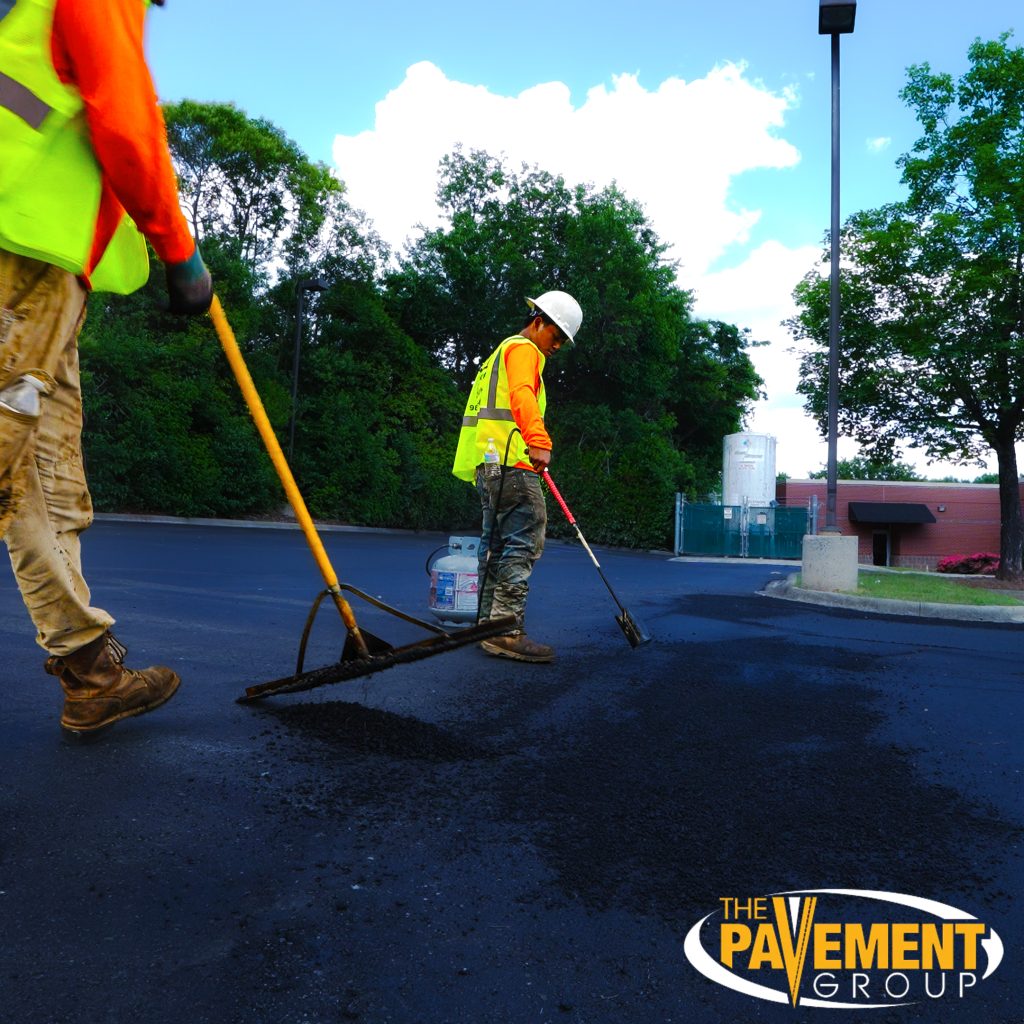
When paving begins, make sure the work follows industry standards. The base must be compacted correctly, asphalt applied at the right thickness, and the surface rolled for a smooth finish. Skipping any of these steps leads to premature cracking and failure.
Good contractors welcome transparency. They will explain each stage, from excavation to final striping, and allow you to ask questions throughout the process. Stay involved to protect your investment.
Step 8: Post-Construction Maintenance
Your job isn’t done once the asphalt is laid. Long-lasting pavement requires regular maintenance. This includes sealcoating, crack filling, and periodic inspections.
Establish a maintenance schedule with your contractor. Proactive care can extend the life of your pavement by 5–10 years, which significantly reduces lifecycle costs.
Testimonial
One property manager in Cleveland recently shared their experience after working through a detailed paving project: “Our parking lot was falling apart and we were nervous about shutting down operations during repairs. The crew helped us plan in phases so tenants still had access and we didn’t lose business. The final result was better than I imagined. Smooth surface, clear striping, and a professional look that impressed everyone.”
Why Professional Guidance Is Key
Planning a commercial asphalt paving project on your own can feel overwhelming. You need someone who knows the materials, understands local regulations, and can anticipate challenges before they happen. Choosing the right partner ensures your project is efficient, compliant, and built to last.
Build a Better Foundation!
Your pavement says a lot about your business. Don’t let cracks and potholes send the wrong message. Contact The Pavement Group today to start planning your commercial asphalt paving project with experts who care about every detail. Let’s build something strong together.
Frequently Asked Questions
1. How do I plan a commercial asphalt paving project?
Start by assessing your property for existing damage and drainage issues. Then set a budget, choose the right asphalt mix, and coordinate with local authorities. Hiring an experienced contractor ensures your plan is thorough and compliant.
2. What is the best season for asphalt paving in commercial spaces?
Asphalt paving should be done in warmer months when temperatures allow for proper compaction. In most northern states, late spring through early fall is ideal. Scheduling during these times ensures longer-lasting pavement.
3. How does drainage affect commercial asphalt paving?
Proper drainage prevents water from seeping into the base and weakening the pavement. Without it, cracks and potholes form quickly, shortening the pavement’s lifespan. A professional plan includes grading and stormwater solutions.
4. What factors impact the cost of a commercial asphalt project?
Costs depend on excavation needs, asphalt thickness, base preparation, and traffic levels. Drainage design and compliance with local codes also add to the budget. A detailed estimate from a contractor helps you plan accurately.
5. How long does a commercial asphalt paving project take?
The timeline varies based on project size, weather, and permitting. Smaller lots may take just a few days, while larger complexes can require weeks. Planning ahead minimizes disruptions to your business.
6. Why is choosing the right asphalt mix important?
Different asphalt mixes handle different traffic loads and climates. A retail center with heavy traffic needs a stronger mix than a light-use road. Selecting the right design prevents premature cracking and rutting.
7. Do commercial paving projects need permits?
Yes, most municipalities require permits for commercial paving projects. These permits cover safety standards, ADA compliance, and stormwater management. Ignoring them can lead to costly delays or fines.
8. What maintenance does commercial asphalt need after installation?
Regular maintenance includes sealcoating, crack filling, and inspections. Preventive care extends the pavement’s lifespan and reduces repair costs. Establishing a schedule helps protect your investment.
9. How do weather conditions affect asphalt paving?
Cold or wet conditions can prevent asphalt from compacting properly. This weakens the surface and causes early damage. That’s why scheduling during optimal weather is critical.
10. What mistakes should I avoid in planning a paving project?
Avoid underestimating drainage needs, skipping permits, or choosing the cheapest contractor. These shortcuts lead to expensive repairs and compliance issues later. Careful planning saves money and ensures quality results.